
Lifestyle
Gilded Ritual Screams Luxury


A Sanctuary for Beauty and Wellness
Nestled in the sophisticated neighborhood of TriBeCa, New York City, Gilded Ritual stands as a beacon of luxury and refinement in the world of spas. Since its opening in November 2021, this oasis of serenity has attracted those seeking upscale beauty treatments and essential services, garnering features in eight esteemed magazines, including Women’s Health and A Modern. Gilded Ritual specializes in Russian Manicures and Pedicures, focusing on precision and lasting results while offering popular facial treatments to rejuvenate clients’ skin.
The talented professionals at Gilded Ritual are dedicated to providing exceptional service and attention to detail, ensuring each client enjoys an extraordinary experience. With a vision of creating a haven for clients to indulge in beauty and necessities, Gilded Ritual has become a one-stop shop for all self-care needs.
Expansion and Empowerment
Gilded Ritual’s success has inspired ambitious expansion plans, including new Miami and Los Angeles locations. The team is also developing an education program to teach Russian Manicures and Pedicures, addressing the gap in traditional nail technician certification programs. This innovative initiative seeks to share the benefits of Russian techniques with a wider audience, raising the standard of nail care throughout the industry.
Luxurious Services Tailored to You
Gilded Ritual’s exclusive treatments include the Russian Manicure, which uses an e-file to remove excess cuticles and promote nail growth. Clients can choose between gel or air-dry polish for color application. Russian Manicure with Extensions, a safe way to achieve natural-looking nail enhancements, are also available. For a more traditional experience, Gilded Ritual offers the Opulence Manicure and Classic Manicure, with gel and air-dry polish options.
The spa’s luxurious pedicure treatments, such as the Russian Pedicure, Signature Pedicure, and Opulence Pedicure, are available in gel or air-dry polish options. These indulgent treatments offer clients exceptional care, from exfoliation to nourishing foot masks, ensuring the ultimate pampering experience.
Visit Gilded Ritual in the Heart of TriBeCa
At 149 Reade Street in New York, NY, Gilded Ritual provides an integrated luxury approach to nail treatments, waxing, and facial services. The spa’s soothing environment features fully private rooms, advanced air filtration and exhaust systems, hospital-grade sanitation, and individualized care.
To book an appointment at Gilded Ritual, contact them at (646) 398-8353 or email [email protected]. Experience the unparalleled luxury and elegance that have made Gilded Ritual the premier spa destination in the heart of TriBeCa, and stay tuned for exciting expansions to other cities in the near future. Immerse yourself in the Gilded Ritual experience by following their captivating Instagram account (@gildedritual) and visiting their website (https://www.gildedritual.com/) to explore the elegance and luxury await you.
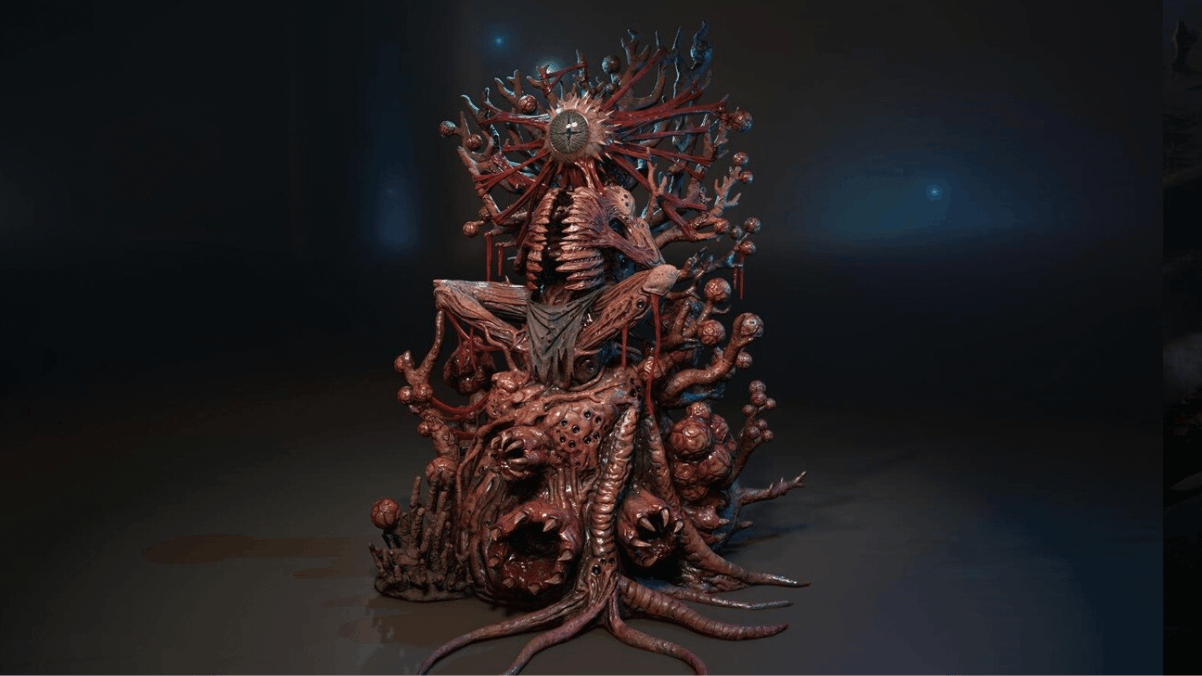
Empty hallways echo with footsteps that aren’t yours. The carnival rides spin without passengers. Familiar spaces, the ones etched into childhood memory, twist into something menacing, something that watches. Lonely Rabbit’s Midnight Strikes arrives eight months before its completion, targeting a youth horror genre that is hungry for experiences that feel personal rather than purely fantastical. The indie studio searches for a publisher while building momentum for a game that weaponizes nostalgia, turning high schools and carnivals into theaters of psychological dread. As franchises age and audiences demand fresh scares, this PC title tests whether memory-based terror represents the next chapter in youth horror.
Maturing Past Jump Scares
Youth horror gaming shed its training wheels. Little Nightmares and Bendy and the Ink Machine proved that younger players crave atmospheric storytelling over cheap shocks, puzzle-solving over gore, and visual distinctiveness over recycled formulas. Bendy’s ink-soaked corridors attracted a massive audience, including children drawn to the characters despite the T-rating, because the experience felt emotionally authentic rather than condescending. Players now expect psychological tension woven through environmental details, stories told through decaying spaces, and cryptic objects scattered across levels.
The genre’s maturation reflects audiences who grew up solving Portal’s test chambers and exploring Limbo’s monochrome nightmares. Among the Sleep demonstrated the potency of perspective: experiencing horror through a toddler’s eyes made familiar domestic spaces feel uncanny and threatening. Fran Bow plunged players into hand-drawn asylum corridors where perception itself became unreliable, where puzzles demanded engagement with trauma and grief rather than simple pattern recognition. Modern youth horror respects its audience enough to disturb them thoughtfully, creating experiences that linger days after the screen goes dark.
Corrupted Childhood as New Territory
Midnight Strikes drags players through levels “reminiscent of their childhood memories”: the high school, the carnival, spaces universal enough to feel personal. Lonely Rabbit constructs what they describe as a “menacingly beautiful atmosphere filled with bizarre and terrifying creatures,” pairing monster survival with puzzle challenges that prioritize mood over mechanics. The game adopts a “cinematic and otherworldly feel” while grounding its terror in locations players actually inhabited, making fear feel intimate rather than abstract.
This memory-based direction distinguishes Midnight Strikes from fantasy settings that dominate youth horror. Deserted carnival rides and empty school corridors carry weight because players recognize them as such. Maybe the locker rows feel too narrow, maybe the Ferris wheel groans with a voice that shouldn’t exist, maybe the cafeteria smells wrong. The game challenges players to “survive their fear of the unknown” while navigating spaces that should feel known, creating cognitive dissonance that amplifies dread. Other developers exploring similar territory, such as Subliminal, which utilizes “nostalgic spaces” and “a rotting feeling that something is not quite right,” suggest that childhood corruption represents an emerging subgenre.
Lonely Rabbit’s approach weaponizes personal history. Every player attended school, visited carnivals, and formed memories in spaces designed for safety and joy. Corrupting those spaces turns nostalgia into a threat, asking audiences to confront distorted versions of their own experiences. The monsters inhabiting these environments become more than obstacles; they represent the fear that familiar places might betray us, that memory itself becomes unreliable when shadows move in the wrong direction.
Smaller Teams, Bigger Risks
Indie studios like Lonely Rabbit maneuver where larger publishers hesitate. Their two-month publisher search and pre-launch community building reflect changing pathways for games that defy established franchise formulas. Building a follower base before release creates market validation, proving that audiences want what you’re making before significant capital is committed. Transparency about development timelines and production milestones generates audience investment, turning potential players into advocates during the publisher search.
Midnight Strikes represents creative gambles major studios avoid when quarterly earnings loom. Smaller teams experiment with concepts, corrupted childhood spaces, memory-based horror, pand sychological tension prioritized over action mechanics, that might fracture focus groups but resonate with underserved audiences. Lonely Rabbit’s global distribution ambitions demonstrate indie confidence: build something distinctive enough, and geography becomes irrelevant when digital storefronts erase borders.
The next eight months determine whether Midnight Strikes defines a subgenre or remains an interesting experiment. If players respond to horror that mines personal history, if corrupted nostalgia proves more terrifying than fantasy monsters, other developers will follow this path. Lonely Rabbit’s gamble, that childhood spaces make better horror stages than alien planets or demon dimensions, could redefine what scares young players next. The studio’s publisher search tests whether the industry views memory-based terror as the future of youth horror or a niche curiosity. Either outcome writes the next page in a genre still learning what it can become.
-

 Tech5 years ago
Effuel Reviews (2021) – Effuel ECO OBD2 Saves Fuel, and Reduce Gas Cost? Effuel Customer Reviews
-
 Tech7 years ago
Bosch Power Tools India Launches ‘Cordless Matlab Bosch’ Campaign to Demonstrate the Power of Cordless
-

 Lifestyle7 years ago
Catholic Cases App brings Church’s Moral Teachings to Androids and iPhones
-

 Lifestyle5 years ago
East Side Hype x Billionaire Boys Club. Hottest New Streetwear Releases in Utah.
-

 Tech7 years ago
Cloud Buyers & Investors to Profit in the Future
-

 Lifestyle6 years ago
The Midas of Cosmetic Dermatology: Dr. Simon Ourian
-

 Health7 years ago
CBDistillery Review: Is it a scam?
-

 Entertainment7 years ago
Avengers Endgame now Available on 123Movies for Download & Streaming for Free