
Business
How Has Social Media Helped Independent Music Artists


Social media has changed the way that music is made and consumed. It’s also a vital part of any artist’s marketing strategy. As artists look to grow their careers, they need to learn how social media can help them reach new audiences, build buzz for upcoming releases, and connect with fans in real-time.
What Is Social Media?
There are many definitions of what social media means, but it can be broadly defined as “social networking sites” where users post information or share ideas, opinions, photos, and other content. The most well-known examples include Facebook, Twitter, Tumblr, Instagram, Vine, YouTube, Reddit, and Pinterest. There are hundreds of smaller social networks available on the web for musicians such as Bandcamp, SoundCloud, ReverbNation, and TuneCore.
The power of social media is in its ability to spread word-of-mouth virally. People share things they like with friends, who then share those things with their circles of friends, and so on. This creates an exponential effect as more people become aware of your work through this process.
How Can Social Media Help Music Producers
As you can imagine, social media is an excellent tool for artists looking to build their fan base. You can use it to promote upcoming shows, release tracks, give away free downloads, announce tours, and engage directly with your audience. For example, you could start a blog, post videos, or even create a video game.
The biggest social networks are all heavily focused on user-generated content, making them ideal places for musicians to showcase their talents. Social media can also help you get noticed by industry professionals. If you have a solid online presence, they will be able to find you, and if you have something interesting to say, they will want to listen.
Here Are 5 Ways Social Media Can Positively Impact Music Artists
1. Build Your Fan Base
With over 1 billion active monthly users on Facebook alone, social media is one of the best ways to gain exposure for yourself and your band. By creating a profile on these platforms, you can build relationships with other musicians, fans, and influencers. You can also share your music, events, news stories, and other important information. Every time you share something online, you are telling someone else about it. You may not realize it, but you are already doing this.
2. Engage With Fans & Followers
Social media allows you to interact with your fans and followers in real-time. You can reply to comments, messages, questions, and requests. You can even add additional content, such as images or links. Social media is an excellent place to build rapport with your fans because you can immediately respond to their concerns and questions. Artists like Christopher Sluka now have complete artistic freedom and can directly engage with their fans via various internet platforms. They also do not feel compelled to tour because they can release new music when it’s ready or relevant for them.
3. Promote Yourself And Your Work
You can use social media to highlight your latest projects, upcoming releases, and special announcements. Sharing information about your new music, shows, or merchandise is a great way to generate excitement. Also, when you make posts on social media, people tend to share those posts with their networks, which can drive traffic back to your site.
Christopher Sluka has worked with a variety of famous artists throughout his career. Sluka has also released two studio albums in Japan. Even though Sluka the Band is a rock band, they are known as storytellers for our times. They have garnered a worldwide audience for their albums and music videos through social media.
4. Generate Buzz
Social media can help you build buzz for your next album or tour. When you create engaging content, people will share it with their networks. This can lead to viral word-of-mouth advertising, and it can also help you gain attention from journalists, bloggers, and industry professionals. You can even create promotional videos or create amazing content for specific outlets.
5. Sell Merchandise
If you have fans on social media, they are likely interested in supporting you and your career. One way to do this is to sell merchandise on your websites, such as t-shirts, mugs, posters, and more. Fans can buy your merch directly from you, and they can also share it with their networks, which can help you gain exposure.
Final Words
Social media is a powerful tool for any musician looking to build their career. As you begin to use it, you will see many opportunities to interact with your fans and increase your brand awareness. Remember, though, that social media is just one piece of your overall marketing strategy. Use it wisely, and don’t let it control your business.
Byline: Andi Stark
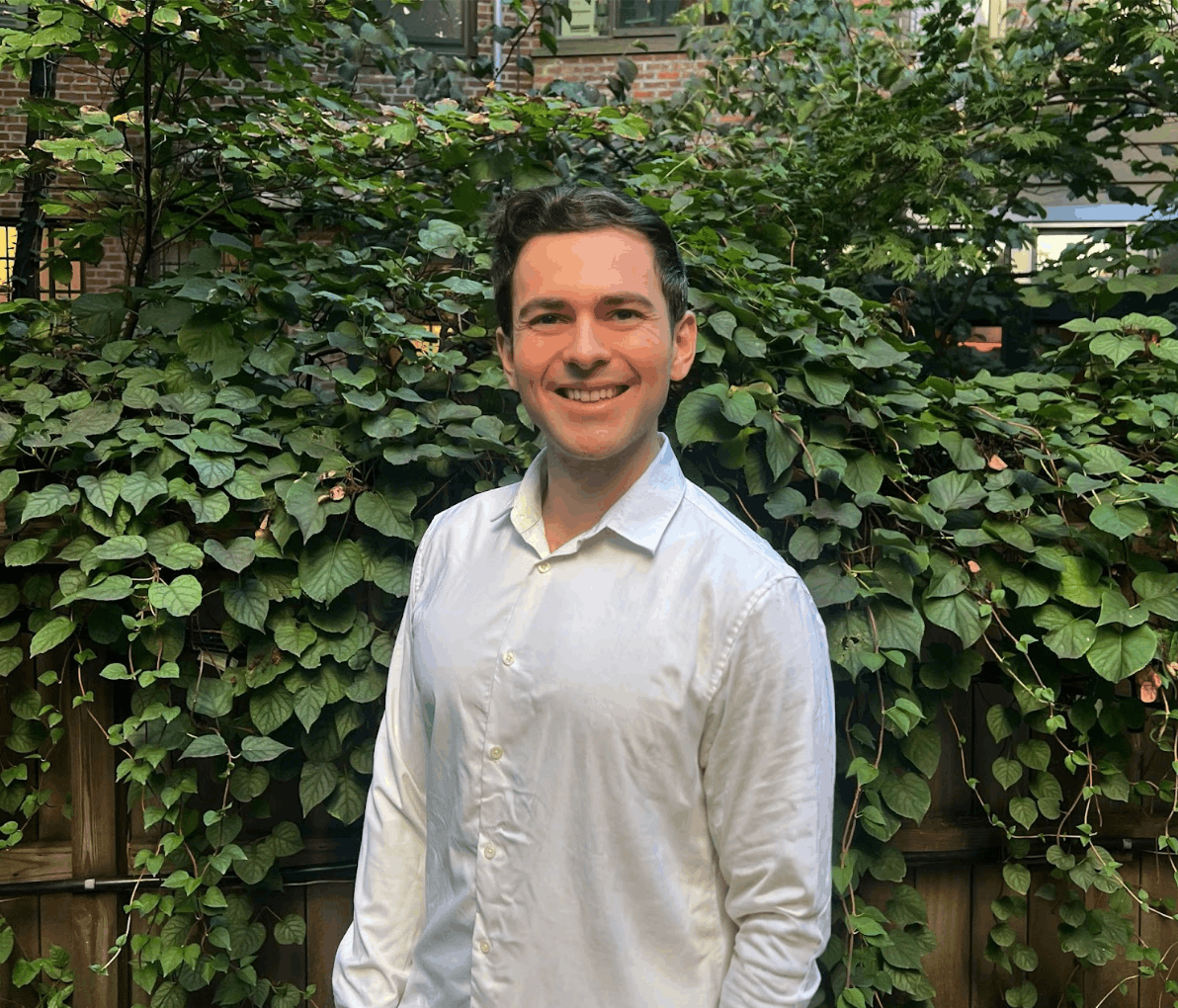
For many people facing a legal problem, the most difficult part is not understanding their rights but finding a lawyer willing to speak with them in the first place. Long wait times, unclear pricing, and administrative hurdles often delay even the most basic consultations. YesLawyer, an AI-enabled plaintiff firm operating across all 50 states, is testing whether technology can shorten that gap.
Founded in 2024 by 25-year-old entrepreneur Rob Epstein, the platform offers free intake, automated screening, and, in many cases, same-day conversations with licensed attorneys. The idea is simple: reduce the friction between a client’s first request for help and an actual legal discussion. In this interview, Epstein explains how the system works, where artificial intelligence fits into the process, and what problems the company is trying to address in the broader legal system
Q: When you say you want lawyers to be “as accessible as Wi-Fi,” what does that mean in practical terms?
A: It’s a way of describing speed and availability. Someone dealing with a workplace dispute, a serious injury, or an immigration issue should be able to move from an online form or phone call to a real conversation with counsel in hours, not weeks. YesLawyer is structured so that a client begins with a free case evaluation, goes through automated conflict checks and basic screening, and, in many instances, speaks with a lawyer the same day.
Q: How does the process work once someone contacts the platform?
A: We use a structured workflow. It starts with a short questionnaire and an initial conversation to capture basic facts. That information feeds into conflict checks and internal review. The system then proposes a match with a licensed attorney and provides a calendar link for a virtual consultation, often within 24 hours. After the meeting, the client receives a written legal plan outlining next steps, deadlines, and estimated fees.
Q: Where does artificial intelligence fit into that process, and where does it stop?
A: AI is used for organizing and routing information, not for giving legal advice. It helps with conflict checks at scale, case categorization, and structured summaries so attorneys can focus on the substance of the matter. Every consultation is conducted by a licensed lawyer, and all decisions about strategy or next steps are made by humans.
Q: What problem is this model trying to solve in the current legal system?
A: Delay and cost are still major barriers. Many civil plaintiffs face long waits just to get a first appointment, along with high retainers and hourly billing that make early legal advice risky. We try to respond with faster consultations, flat-fee options, and financing. The idea is to remove administrative friction so lawyers spend less time on logistics and more time speaking with clients.
Q: Some critics say platforms like this blur the line between a technology company and a law firm. How do you describe YesLawyer?
A: We describe ourselves as a national, AI-enabled plaintiff firm that connects clients with independent attorneys. That structure does raise regulatory questions, especially around responsibility and oversight. We focus on licensing verification, attorney-written case plans, and clear communication about fees and services.
Q: You’ve said the main bottleneck is “systems” rather than people. What do you mean by that?
A: The issue isn’t that lawyers don’t want to help more people. It’s that the systems around them make it hard to scale their time. Intake, scheduling, and document handling take hours. Automating those parts means attorneys can handle more matters without being overwhelmed by repetitive tasks.
Q: Does this model risk favoring only the most profitable cases?
A: That’s a real concern in legal technology. Automation often works best for repeatable, high-volume disputes. Our view is that lowering administrative cost can actually make it easier to take on smaller or more complex cases that might otherwise be turned away. Whether that holds over time depends on the data.
Measuring Impact Over Time
YesLawyer’s attempt to compress the timeline between inquiry and consultation reflects broader changes in how legal services are being delivered. As artificial intelligence becomes more common in administrative work, firms are experimenting with new ways to reduce wait times and clarify costs.
The company’s early growth suggests that many clients value faster access to an initial conversation, even before considering long-term representation. Whether this platform-based model becomes widely adopted or remains one of several emerging approaches will depend on regulatory developments, lawyer participation, and measurable outcomes for clients. For now, YesLawyer’s experiment highlights a central question in modern legal practice: how quickly can help realistically be made available to the people who need it.
-

 Tech5 years ago
Effuel Reviews (2021) – Effuel ECO OBD2 Saves Fuel, and Reduce Gas Cost? Effuel Customer Reviews
-
 Tech7 years ago
Bosch Power Tools India Launches ‘Cordless Matlab Bosch’ Campaign to Demonstrate the Power of Cordless
-

 Lifestyle7 years ago
Catholic Cases App brings Church’s Moral Teachings to Androids and iPhones
-

 Lifestyle5 years ago
East Side Hype x Billionaire Boys Club. Hottest New Streetwear Releases in Utah.
-

 Tech7 years ago
Cloud Buyers & Investors to Profit in the Future
-

 Lifestyle6 years ago
The Midas of Cosmetic Dermatology: Dr. Simon Ourian
-

 Health7 years ago
CBDistillery Review: Is it a scam?
-

 Entertainment7 years ago
Avengers Endgame now Available on 123Movies for Download & Streaming for Free