
Business
How To Find A Legit Locksmith In San Jose

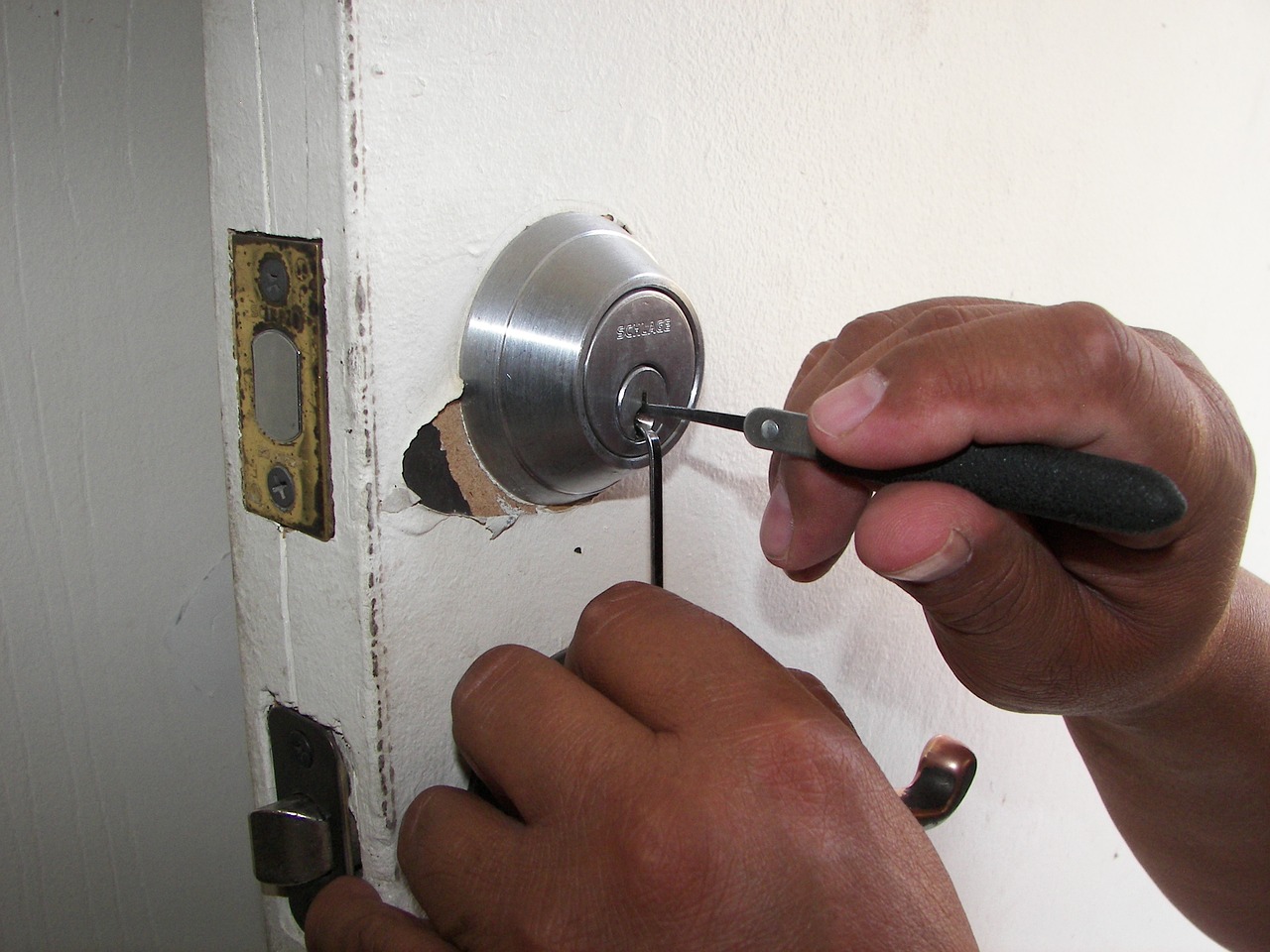
Buddy’s 24/7 Locksmith Services in San Jose is known for its commercial, residential, and auto services. With a quick response and promise for excellence, their experts are always on their toes to get you out of any auto or home lock situation. However, every homeowner must know to distinguish between a fake and genuine service-providing company. In this article, you will see some expert-recommended tips for finding a reliable locksmith near you.
- Check the testimonials
Testimonials on the internet could help you in verifying the credibility of a website or a service provider. Check the popular platforms like Google and Bing before zeroing on a locksmith for your job. While you’re on it, beware of adverts that claim to provide cheap services. These schemes are only an attempt to capture customers. Once you book their services, additional costs will be added to your final bill.
- Get a Local Locksmith instead of dialing a National Call Center
National Call Centers often hire local locksmiths to sub out the work across the country. Instead of paying additional charges to them, you could directly find a local locksmith at much better prices. Also, these call centers often delegate work to locksmiths without checking their background or experience. When you search on your own for a trusted service provider, you will find a much better locksmith with good reviews and credibility on the internet.
- Word of Mouth
Another good way to find a local locksmith with trustworthy services is going by the traditional way of references. Talk to your family, friends, or neighbors to see who they work with in case of emergencies.
Buddy’s Locksmith has served hundreds of customers for many years before becoming the most recommended locksmith in San Jose. You can visit their website to know more about their services and deals.
Business
TrueData Solutions LLC Founder Del Andujar Responds to Europe’s Growing Digital Privacy Concerns


For years, internet privacy discussions centered around targeted advertising, browser tracking, and social media data collection. But a new debate is beginning to reshape the cybersecurity industry entirely: identity verification laws.
Across Europe, governments and digital platforms are increasingly introducing systems that require users to verify their identity or age before accessing certain online services. Supporters argue these systems improve online safety and accountability. Critics argue they may also normalize a future where anonymity online becomes increasingly difficult.
That tension is now creating new opportunities — and new responsibilities — for cybersecurity and privacy companies worldwide.
Among the firms responding to this shift is TrueData Solutions LLC, a Wyoming-based cybersecurity company founded in 2025 by Del Andujar. The company recently announced plans to expand infrastructure and operations into Europe as digital privacy concerns continue growing throughout the region.
The expansion arrives during a particularly sensitive moment in global technology policy.
Recent discussions surrounding European age verification systems have raised broader questions about how personal identification data will be stored, protected, and potentially shared. Privacy advocates have warned that even well-intentioned verification systems can create centralized repositories of sensitive personal information that may become vulnerable to misuse or breaches.
According to reporting from Tech Policy Press, experts have increasingly expressed concern that identity verification requirements may carry privacy implications extending beyond basic data confidentiality.
For privacy-focused companies, the issue reflects a major transformation in how consumers view digital safety.
Historically, many users treated online privacy as secondary to convenience. But growing awareness around data breaches, identity theft, and public data exposure has changed public perception significantly over the last decade.
TrueData’s business model directly addresses those concerns.
The company allows individuals to search for publicly leaked information connected to themselves and assists users in opting out from data broker platforms that collect and distribute personal details online. Unlike many competitors within the cybersecurity industry, TrueData offers its primary opt-out assistance services free of charge.
That approach has become central to the company’s identity.
While many privacy services operate behind subscription paywalls, TrueData positions accessibility as part of its broader mission to help individuals regain control over their digital footprint regardless of financial barriers.
The company also provides secondary cybersecurity services such as virtual private networks designed to improve browsing security and network privacy.
As Europe continues debating digital identity enforcement policies, cybersecurity providers may increasingly become intermediaries between governments, platforms, and consumers attempting to protect their information online.
Industry observers believe the broader privacy economy could expand dramatically over the next several years as identity-linked internet systems become more common globally.
In that environment, companies focused on transparency and user trust may gain a competitive advantage over firms relying heavily on aggressive monetization strategies or opaque data practices.
For founder Del Andujar, the issue extends beyond cybersecurity trends alone. It reflects a deeper concern about whether ordinary internet users will retain meaningful control over how their information is collected, indexed, and distributed online.
As digital identity increasingly becomes tied to daily internet access, that question may soon affect nearly every user online — not just cybersecurity professionals.
-

 Tech5 years ago
Effuel Reviews (2021) – Effuel ECO OBD2 Saves Fuel, and Reduce Gas Cost? Effuel Customer Reviews
-
 Tech7 years ago
Bosch Power Tools India Launches ‘Cordless Matlab Bosch’ Campaign to Demonstrate the Power of Cordless
-

 Lifestyle7 years ago
Catholic Cases App brings Church’s Moral Teachings to Androids and iPhones
-

 Lifestyle5 years ago
East Side Hype x Billionaire Boys Club. Hottest New Streetwear Releases in Utah.
-

 Tech7 years ago
Cloud Buyers & Investors to Profit in the Future
-

 Lifestyle6 years ago
The Midas of Cosmetic Dermatology: Dr. Simon Ourian
-

 Health7 years ago
CBDistillery Review: Is it a scam?
-

 Entertainment7 years ago
Avengers Endgame now Available on 123Movies for Download & Streaming for Free