
Business
Mayur Patankar’s Journey from a Small Town in India to the Cinematic World of Los Angeles

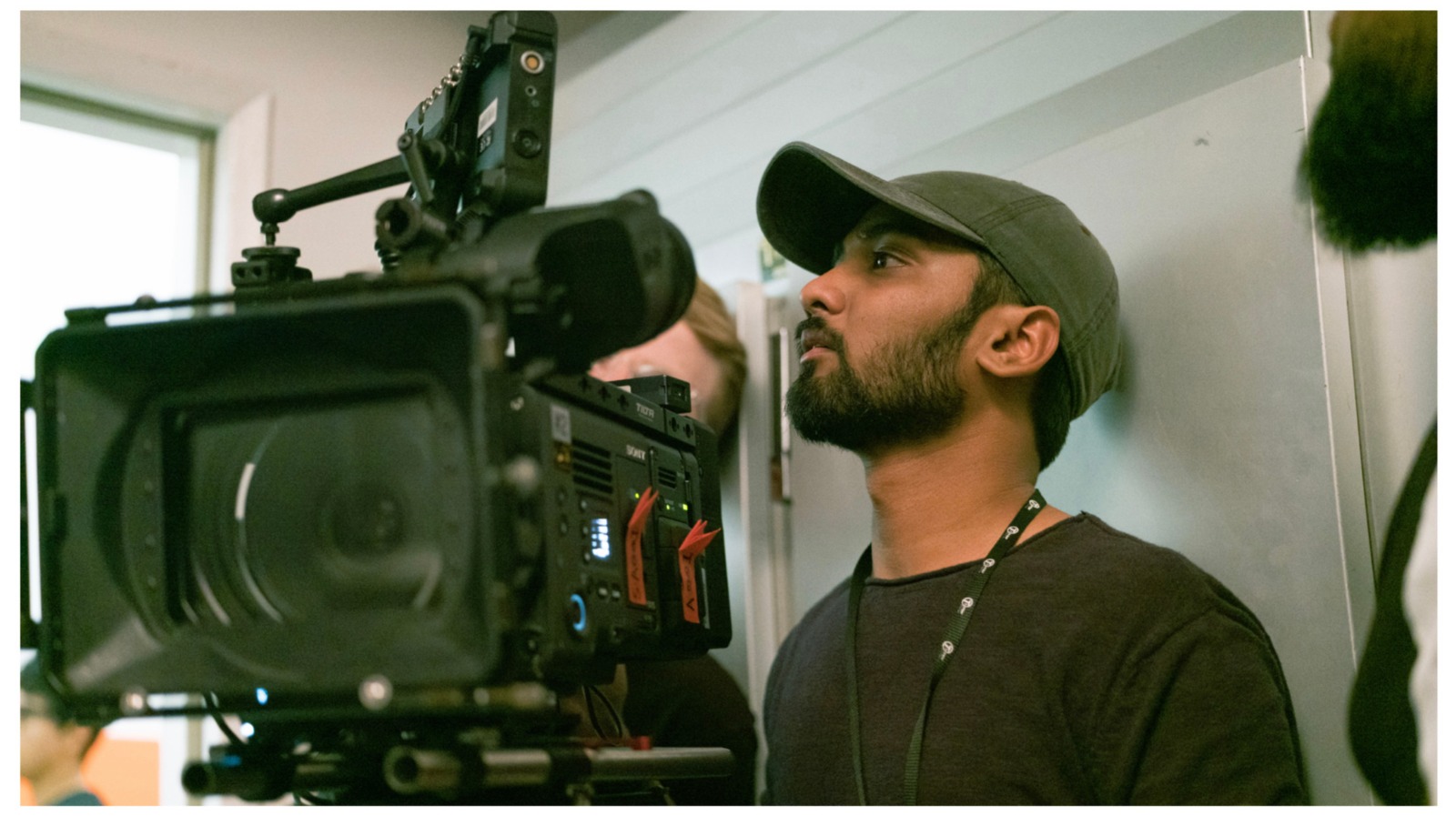
Mayur Patankar’s story is one of passion, courage, and a relentless drive to succeed in an industry far removed from his roots. Hailing from Bramhapuri, a rural town in Maharashtra, India, Mayur took a leap of faith seven years ago, moving across the world to Los Angeles to pursue a Master’s in Cinematography at the prestigious New York Film Academy. It was a decision that would change his life, opening doors to working with some of the biggest names in entertainment and advertising. “It was the scariest and most unconventional decision I’ve ever made,” Mayur recalls, but one that turned out to be the best for his career.
Mayur’s journey didn’t follow the typical path of someone born with a camera in hand. In fact, he began his career with a degree in forensic science, unsure of his true calling. “I didn’t have one of those ‘I wanted to be a cinematographer since I was a kid’ stories,” he explains. His interest in photography developed gradually as he started working at a sports broadcast company in Delhi, where he began covering sporting events and after-parties. His love for shooting videos led to travel blogs and, eventually, the realization that filmmaking was his true passion. With YouTube as his initial teacher, he dived into learning the basics of photography and cinematography, leading him to the New York Film Academy.
Mayur’s work ethic and willingness to adapt and learn quickly gained him a foothold in the competitive world of filmmaking. His resume now boasts collaborations with renowned artists and companies, including Billie Eilish, Nike, Netflix, and more. “My most humbling experience was working on Space Jam 2 with LeBron James,” Mayur says, recalling his early days on set after graduating film school. “I thought I knew it all, but quickly realized it was only the beginning. That project taught me to empty my cup, be open to learning, and constantly improve my craft.”
Mayur also highlights his work on The Guilty with Jake Gyllenhaal and lighting Billie Eilish for her music videos as some of his most memorable projects. “Every project is different, whether I’m the cinematographer, gaffer, or playing any other role. I push my creative boundaries and give my best every time,” he says, adding that his best keeps getting better with each new challenge.
Despite his success, the road to becoming a prominent cinematographer wasn’t always easy. Growing up in a small town where filmmaking is an unconventional career choice, Mayur faced initial skepticism from his family. “My dad thought it was a prank when I said I wanted to go to America for a diploma,” he laughs. However, his family’s support never wavered, and once they saw his determination, they did everything they could to help him pursue his dreams.
Navigating the cultural and professional differences between India and Los Angeles also posed significant challenges. From dealing with stereotypes to building trust in a competitive industry, Mayur learned to adapt and thrive. “I realized the importance of being open-minded and respecting different cultures,” he says. “It’s about standing out with your unique creative vision, but also being someone people want to work with.”
Mayur’s story is proof that hard work, resilience, and following your passion can lead to extraordinary success. With his unique blend of technical expertise, creativity, and the cultural richness of his Indian roots, Mayur Patankar continues to make a mark in the world of cinematography, inspiring others to take risks and pursue their dreams.
Business
TrueData Solutions LLC Founder Del Andujar Responds to Europe’s Growing Digital Privacy Concerns


For years, internet privacy discussions centered around targeted advertising, browser tracking, and social media data collection. But a new debate is beginning to reshape the cybersecurity industry entirely: identity verification laws.
Across Europe, governments and digital platforms are increasingly introducing systems that require users to verify their identity or age before accessing certain online services. Supporters argue these systems improve online safety and accountability. Critics argue they may also normalize a future where anonymity online becomes increasingly difficult.
That tension is now creating new opportunities — and new responsibilities — for cybersecurity and privacy companies worldwide.
Among the firms responding to this shift is TrueData Solutions LLC, a Wyoming-based cybersecurity company founded in 2025 by Del Andujar. The company recently announced plans to expand infrastructure and operations into Europe as digital privacy concerns continue growing throughout the region.
The expansion arrives during a particularly sensitive moment in global technology policy.
Recent discussions surrounding European age verification systems have raised broader questions about how personal identification data will be stored, protected, and potentially shared. Privacy advocates have warned that even well-intentioned verification systems can create centralized repositories of sensitive personal information that may become vulnerable to misuse or breaches.
According to reporting from Tech Policy Press, experts have increasingly expressed concern that identity verification requirements may carry privacy implications extending beyond basic data confidentiality.
For privacy-focused companies, the issue reflects a major transformation in how consumers view digital safety.
Historically, many users treated online privacy as secondary to convenience. But growing awareness around data breaches, identity theft, and public data exposure has changed public perception significantly over the last decade.
TrueData’s business model directly addresses those concerns.
The company allows individuals to search for publicly leaked information connected to themselves and assists users in opting out from data broker platforms that collect and distribute personal details online. Unlike many competitors within the cybersecurity industry, TrueData offers its primary opt-out assistance services free of charge.
That approach has become central to the company’s identity.
While many privacy services operate behind subscription paywalls, TrueData positions accessibility as part of its broader mission to help individuals regain control over their digital footprint regardless of financial barriers.
The company also provides secondary cybersecurity services such as virtual private networks designed to improve browsing security and network privacy.
As Europe continues debating digital identity enforcement policies, cybersecurity providers may increasingly become intermediaries between governments, platforms, and consumers attempting to protect their information online.
Industry observers believe the broader privacy economy could expand dramatically over the next several years as identity-linked internet systems become more common globally.
In that environment, companies focused on transparency and user trust may gain a competitive advantage over firms relying heavily on aggressive monetization strategies or opaque data practices.
For founder Del Andujar, the issue extends beyond cybersecurity trends alone. It reflects a deeper concern about whether ordinary internet users will retain meaningful control over how their information is collected, indexed, and distributed online.
As digital identity increasingly becomes tied to daily internet access, that question may soon affect nearly every user online — not just cybersecurity professionals.
-

 Tech5 years ago
Effuel Reviews (2021) – Effuel ECO OBD2 Saves Fuel, and Reduce Gas Cost? Effuel Customer Reviews
-
 Tech7 years ago
Bosch Power Tools India Launches ‘Cordless Matlab Bosch’ Campaign to Demonstrate the Power of Cordless
-

 Lifestyle7 years ago
Catholic Cases App brings Church’s Moral Teachings to Androids and iPhones
-

 Lifestyle5 years ago
East Side Hype x Billionaire Boys Club. Hottest New Streetwear Releases in Utah.
-

 Tech7 years ago
Cloud Buyers & Investors to Profit in the Future
-

 Lifestyle6 years ago
The Midas of Cosmetic Dermatology: Dr. Simon Ourian
-

 Health7 years ago
CBDistillery Review: Is it a scam?
-

 Entertainment7 years ago
Avengers Endgame now Available on 123Movies for Download & Streaming for Free