
Lifestyle
Reasons to Choose Photo Wedding Invites

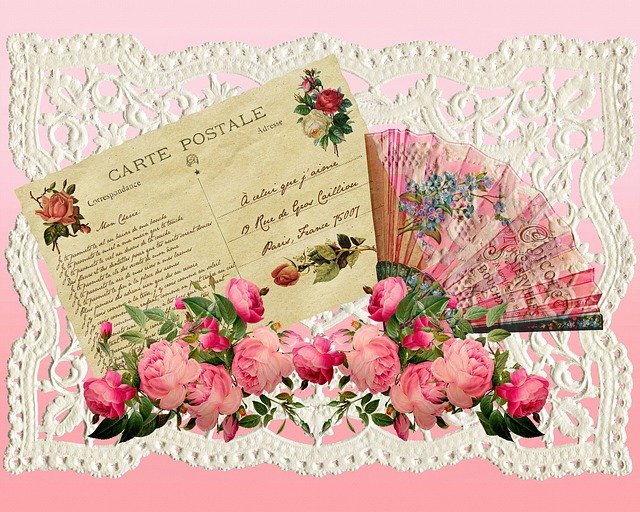
Wedding invitations with photos are great because they give you a chance to tell your story in ways that words may not allow. Your wedding is not only a celebration of your love but also a chance to tell your story. The process of preparing for a wedding can be a whirlwind and photos allow you to tell your story in just a few seconds. Keep reading to learn about other reasons to use wedding invitations with photos.
Adding a Personal Touch
Photos give your invites a bit of a personal feel. If, for example, you love the beach and intend to have a beach wedding, your invite may include beach photos. Adding some personality to your invites with just words can be difficult. The right photos make it seem like you are issuing your invite face to face.
Creating Excitement
Photos are a great way to create some excitement about your big day. Include fun and cute photos of the couple, your wedding destination, or your engagement photos. If you want your guests to be as excited as you are, words may not be enough.
The right photo to create a buzz about your wedding should be personal and creative. If, for example, your guests know you as a fun and happy couple, your invites should reflect the same.
If you use your engagement photos, they can get a glimpse of what to expect during the wedding.
Work with a photographer that understands the vibe you wish to create and can deliver.
Making Your Invites Memorable
With the right photos, your guests can remember your wedding for a long time. Most wedding invites are forgotten shortly after the wedding because they are boring. Using photos of your wedding destination, themes, or the couple may earn your invites a place in your guests’ fridges for a long time. If you spend some time to find the right photos, guests will appreciate your effort.
Tips for Creating Wedding Photo Invites
Don’t Crowd It
While it is important to have photos on your wedding invitations, you should be careful not to overcrowd it. Your invite should only have the essentials. It should include the couple’s names, RSVP details, dress code, and just one photo in the background. Too many photos and details can be overwhelming.
Early Preparations
Start preparing the invites early. If you design them last minute, you may not have time to take the right photos. Finding the right photographer can take a lot of time. If you plan on having a destination wedding, your invites must be ready at least 12 weeks before time.
Have a Few Options
Even though you may only need one photo for each invite, it is wise to have a few options. If you have many options, you can use different ones for different invites.
Do you plan on creating photo wedding invites? Consider working with Mixbook.com. Our services are convenient and customizable. You have full control over the outcome of your wedding invites. There are no limitations to your templates or themes. If you are unhappy with your order, you can always return it. You can upload the existing graphics or choose your own. Mixbook is convenient and easy to use. You don’t need special training to design your wedding invitation.

Some days feel hard in ways that are difficult to explain. A person may be dealing with illness, stress, grief, or plain exhaustion, and even the smallest task can feel bigger than usual. From the outside, it may not always be clear what to do. Still, one thoughtful act can shift the mood of the whole day.
That idea is easy to miss in a busy world. People are used to quick texts, rushed check-ins, and good intentions that never quite turn into action. Yet the gestures people remember most are usually simple. A handwritten note. A meal that shows up at the right time. A small gift that says someone thought ahead.
These moments matter because they make a person feel less alone. They do not fix everything, but they change the emotional temperature. They soften the day. They create a pause in the middle of stress, and that pause can mean more than people expect.
Why Small Acts of Kindness Feel So Powerful
When someone is going through a rough patch, support works best when it feels easy to receive. That is part of why a thoughtful get well care package can stand out. It does not ask much from the person receiving it. It simply arrives with comfort, warmth, and a quiet message of care.
That message matters. According to the CDC, social isolation and loneliness are linked to serious physical and mental health risks. Feeling supported is not just emotionally nice; it plays a real role in overall well-being. A caring gesture can remind someone that they are still connected to others, even on a day when life feels narrow and heavy.
There is also something powerful about specific care. A generic “hope you feel better” may be appreciated, but a practical, thoughtful gesture tends to land differently. It shows attention. It tells the recipient that someone slowed down long enough to think about what might actually help.
That could mean comfort food, a cozy blanket, tea, soup, or a short note with the right words at the right time. It could also mean sending something that helps a person rest without making another decision. On difficult days, reducing stress is often just as meaningful as offering encouragement.
The emotional effect of that kind of support can last far beyond the moment itself. People may forget what was said in a hard week, but they usually remember how others made them feel. A kind gesture says, “You do not have to carry this day by yourself.” That feeling can last for a long time.
Thoughtful Support Works Better Than Big Support
One reason small gestures work so well is that they do not need to be dramatic. In fact, the best support is often the least complicated. It does not draw attention to itself. It does not demand a big response. It simply meets a need with care.
That makes a difference in both personal and professional settings. In families and friendships, thoughtful support builds trust. In business, it can strengthen relationships in a way that feels human instead of transactional. Clients, coworkers, and partners notice when kindness feels genuine.
A large gift can sometimes miss the mark if it feels too polished or too distant. A smaller gesture with a personal touch often feels more sincere. Timing matters too. The right support at the right moment will usually mean more than something larger that arrives late or feels generic.
Health experts also note that giving can benefit the person who offers support. Cleveland Clinic cites research showing that helping others can lower stress and support emotional well-being. That helps explain why kind gestures often feel meaningful on both sides. The person receiving care feels seen, and the person giving it gets to turn empathy into action.
There is another reason thoughtful support matters. Many people struggle to ask for help, especially when they are used to being dependable for everyone else. A gesture that arrives without pressure can break through that pattern. It gives the recipient permission to pause, rest, and accept care without having to explain or organize it.
That is often what turns a hard day around. Not a big speech. Not perfect timing. Just one clear sign that somebody noticed.
What People Remember After the Hard Part Passes
Most people do not remember every detail of a difficult season. They remember the moments that made it easier to breathe.
They remember the friend who sent something warm and comforting. They remember the colleague who checked in without making it awkward. They remember the family member who helped practically, rather than saying, “Let me know if you need anything” and leaving it at that.
Those moments stay with people because they feel personal. They show care in a form that can be felt right away. They also create a ripple effect. One act of kindness often inspires another, which is how support grows in families, teams, and communities.
That is what makes simple gestures so valuable. They are not small in impact, only small in scale. On a difficult day, that can be exactly what someone needs most.
The Gesture That Changes More Than a Moment
A hard day does not always call for a grand solution. Sometimes it calls for one thoughtful interruption, something warm, useful, and kind enough to remind a person they are not alone.
That is why small gestures matter so much. They bring comfort without noise. They create connections without pressure. They stay in a person’s memory long after the moment has passed. Whether it is a note, a meal, or a carefully chosen get well care package, the right gesture can do more than brighten a day. It can help someone feel cared for when they need it most.
-

 Tech5 years ago
Effuel Reviews (2021) – Effuel ECO OBD2 Saves Fuel, and Reduce Gas Cost? Effuel Customer Reviews
-
 Tech6 years ago
Bosch Power Tools India Launches ‘Cordless Matlab Bosch’ Campaign to Demonstrate the Power of Cordless
-

 Lifestyle7 years ago
Catholic Cases App brings Church’s Moral Teachings to Androids and iPhones
-

 Lifestyle5 years ago
East Side Hype x Billionaire Boys Club. Hottest New Streetwear Releases in Utah.
-

 Tech7 years ago
Cloud Buyers & Investors to Profit in the Future
-

 Lifestyle6 years ago
The Midas of Cosmetic Dermatology: Dr. Simon Ourian
-

 Health7 years ago
CBDistillery Review: Is it a scam?
-

 Entertainment7 years ago
Avengers Endgame now Available on 123Movies for Download & Streaming for Free