
Lifestyle
Say Goodbye to Eyeliner Fails with TheGuideliner™

By: Mae Cornes
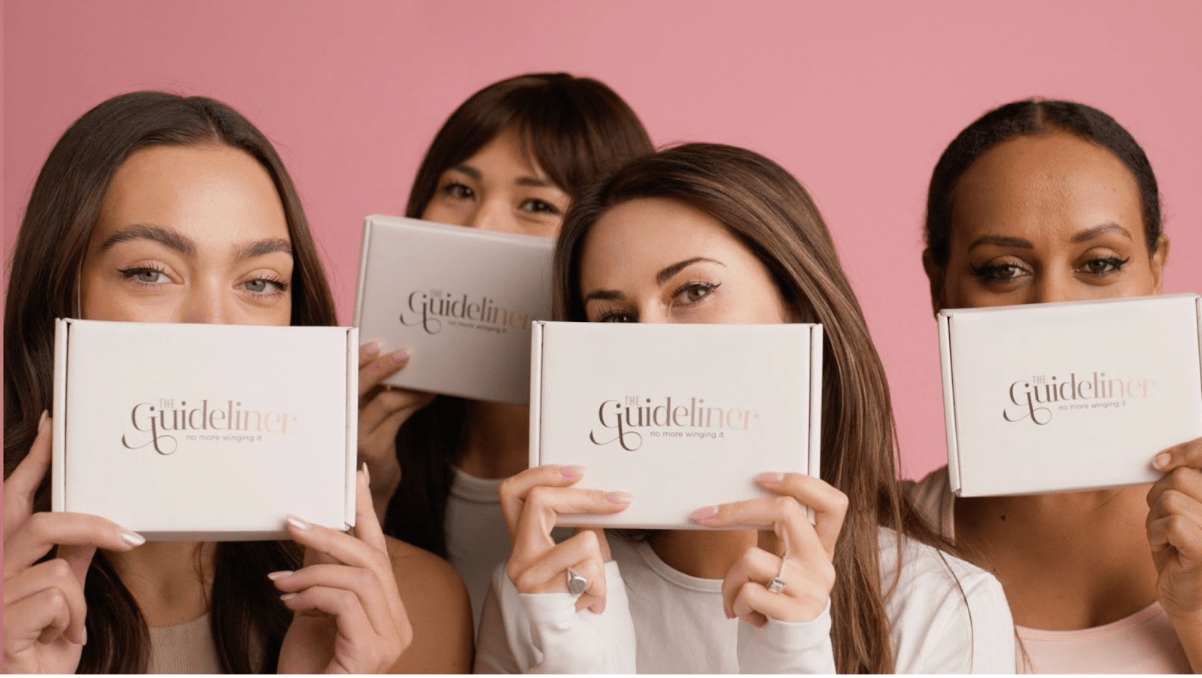
Good news is on the horizon for anyone who’s ever struggled to get their eyeliner just right. TheGuideliner™ is here to rescue makeup lovers from the dreaded uneven wings and smudged lines that have haunted them for years. With a fresh touch that blends practicality with eco-consciousness, TheGuideliner™ is shaking up the beauty scene and making winged eyeliner accessible to everyone—regardless of skill level.
Winged Eyeliner, Simplified
Let’s face it: winged eyeliner can be a real pain. It’s the ultimate makeup look, but achieving that perfect flick often feels like a game of chance. TheGuideliner™ promises to take the guesswork out of the equation with its innovative Peel, Press, and Seal method. Forget about shaky hands or the nerve-wracking symmetry check; this tool is designed to make the process foolproof.
The product features pre-shaped Guideliners™ infused with vegan, soy-based pigments. Users simply press them onto their eyelids, seal them with water and voilà! They have perfectly shaped wings in seconds.
It’s a simple yet brilliant solution that even makeup beginners can master. For seasoned pros, it’s a time-saving hack that makes sure flawless results every time.
“We wanted to create something that everyone could use, regardless of their experience with makeup,” says Charlie Pond, the mastermind behind TheGuideliner™. “It’s all about making beauty more accessible and enjoyable.”
Sustainable Makeup That Doesn’t Compromise
TheGuideliner™ isn’t just about creating the perfect look—it’s also about doing so responsibly. In an industry where sustainability is often more of a buzzword than a practice, this product sets itself apart by genuinely committing to eco-friendly beauty.
The company makes the Guideliners™ from 100% organic, vegan soy-based pigments. This offers a kinder alternative to traditional eyeliners, which often rely on harsher chemicals and materials.
The company extends its commitment to sustainable makeup to the packaging as well. TheGuideliner™ uses recyclable and compostable materials, so customers can feel good about reducing their environmental footprint with each purchase. It’s a win-win: users get a high-quality, innovative product while supporting a brand that cares about the planet.
Inclusive Beauty Solutions for Everyone
One of the standout features of TheGuideliner™ is its emphasis on inclusivity. Beauty should be fun and accessible, and this solution guarantees that everyone, regardless of their abilities or makeup proficiency, can enjoy the process.
Individuals with motor skill challenges have praised the product notably. There are many people around the world that find traditional eyeliner application challenging. TheGuideliner™’s simple application method levels the playing field, allowing everyone to achieve the same flawless results.
But the brand doesn’t stop at inclusivity in usability. TheGuideliner™ also offers a variety of sizes and colors to suit different styles and preferences, from subtle and chic to bold and dramatic. Whether someone is looking to make a statement or just wants a little everyday glam, TheGuideliner™ has them covered.
What Consumers Are Saying
TheGuideliner™ launched in April 2024, and it’s already making waves in the beauty e-commerce space. The product has quickly attracted a loyal following, with glowing reviews from Australia, New Zealand, and the U.S.—key markets where the demand for sustainable and innovative beauty solutions is rising.
According to industry reports, the beauty e-commerce market in these regions is expected to grow significantly in the coming years. Forecasts predict a CAGR of 8-10% in Australia and New Zealand and 6-8% in the U.S. between 2024 and 2025.
Without a massive advertising push, TheGuideliner™ has relied on word of mouth and social media buzz to drive its growth. Users are not just buying the product—they’re raving about it.
People highlight how it simplifies their beauty routine and offers a reliable, long-lasting solution to the eyeliner woes they’ve faced for years. The product’s ability to stay put for up to three days without smudging or fading is a game-changer for many, making it a staple in their beauty arsenal.
What’s Next for TheGuideliner™
While TheGuideliner™ is off to an impressive start, the brand isn’t resting on its laurels. The beauty industry is competitive, and staying ahead means continually innovating. The company plans to expand its product line to include even more styles and colors, catering to a broader range of tastes and preferences.
Expanding into new markets is also on the horizon. With its commitment to eco-friendly beauty and inclusivity, TheGuideliner™ is well-positioned to impact regions increasingly prioritizing these values. The U.S., Australia, and New Zealand remain key areas of focus, where the brand will continue to build its presence and offer sustainable, inclusive beauty solutions.
“We’re excited about what the future holds,” says Pond. “Our focus will always be on listening to our customers and evolving our products to meet their needs. Everyone deserves to feel confident in their makeup, and we’re here to make that happen.”

Progress often starts with someone who refuses to accept silence as the only option. Many women experience unfair treatment at work, yet feel they have nowhere safe to turn. That gap, the distance between speaking up and being supported, is where real change is still needed, and it remains one of the biggest barriers to true equality today.
Fozia Rashid knows this firsthand. After raising concerns about serious misconduct in her own workplace and losing her job as a result, she saw how isolating it can be for women who try to do the right thing. That experience pushed her to create She Speaks Out, a platform designed to give women clarity, tools, and a voice during some of the most challenging moments in their careers.
From the beginning, her aim was not to build another information site. She wanted a space where women could feel understood, where complicated processes were broken down into simple steps, and where no one felt that reporting misconduct meant stepping into a dark tunnel alone. Her HR training helped shape this approach, turning what is often overwhelming into something practical, direct, and genuinely supportive, especially for women who feel lost navigating workplace policies.
Her long-term vision stretches far beyond offering resources. Fozia wants She Speaks Out to help shift the culture around how women are treated at work. She believes that when women share their real experiences, discrimination, dismissal of their concerns, or subtle daily biases, it exposes patterns that organisations can no longer ignore. This focus on storytelling is not about sympathy; it is about awareness. Stories make the invisible visible, and visibility forces change in a way that statistics alone rarely can.
A key part of her mission is amplifying those voices so they reach people who can influence policy and workplace culture. She hopes the platform will push employers to rethink how they respond to reports, how they support employees, and how they build environments where women don’t fear retaliation for raising concerns. She wants leaders to understand that equality is not a slogan, it is a responsibility that requires honest action and genuine accountability.
Fozia also envisions She Speaks Out playing a role in larger societal change. She wants the platform to encourage companies to review their internal practices, improve reporting structures, and train managers to recognise and address problems rather than avoid them. She hopes the platform will support the push for stronger workplace protections and help challenge outdated beliefs about women’s roles, abilities, and credibility. The goal is simple: fair treatment should not depend on who you are, but on the basic respect every employee deserves.
As the platform grows, she aims to build a strong community where women can connect, support one another, and encourage those who feel unsure or unheard. A community where experiences are shared openly, not whispered privately. She believes that building solidarity among women is one of the most powerful steps toward lasting equality. When one woman speaks up, it can be dismissed. When many do, it becomes a movement that organisations cannot afford to overlook.
For Fozia, the future is not just about better policies or clearer reporting tools, though those matter. It’s about creating workplaces where women don’t have to prepare themselves for resistance every time they raise a concern. A future where safety and respect are not exceptional, but expected.
And through She Speaks Out, she is steadily pushing that future forward, giving women what she once needed most: a place to be heard, believed, and supported without hesitation, and a reminder that they never have to face these challenges alone.
-

 Tech5 years ago
Effuel Reviews (2021) – Effuel ECO OBD2 Saves Fuel, and Reduce Gas Cost? Effuel Customer Reviews
-
 Tech7 years ago
Bosch Power Tools India Launches ‘Cordless Matlab Bosch’ Campaign to Demonstrate the Power of Cordless
-

 Lifestyle7 years ago
Catholic Cases App brings Church’s Moral Teachings to Androids and iPhones
-

 Lifestyle5 years ago
East Side Hype x Billionaire Boys Club. Hottest New Streetwear Releases in Utah.
-

 Tech7 years ago
Cloud Buyers & Investors to Profit in the Future
-

 Lifestyle6 years ago
The Midas of Cosmetic Dermatology: Dr. Simon Ourian
-

 Health7 years ago
CBDistillery Review: Is it a scam?
-

 Entertainment7 years ago
Avengers Endgame now Available on 123Movies for Download & Streaming for Free