
Lifestyle
Social Media Celeb & Philanthropist Willem Ungermann/Willem Powerfish Uses Fame to Help Those in Need

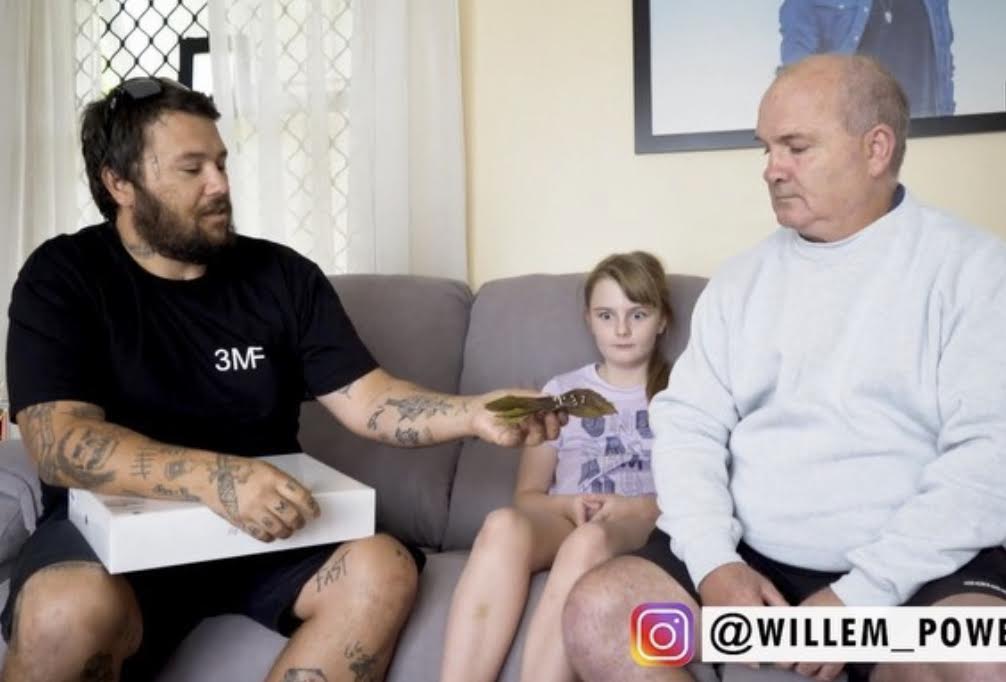
YouTube celebrity Willem Ungermann is best known by his social media handle, Willem Powerfish. On his channel you’ll find hilarious stunt and prank videos reminiscent of the Jackass-era of television trickery. Ungermann’s self-effacing style and wild sense of humor have helped him rack up more than 150K YouTube subscribers and nearly 300K followers on Instagram.
Recently, however, Ungermann has revealed his philanthropic side, posting videos of him helping out people in need. In one recent installment, Ungermann pays a visit to a local family in desperate need of assistance. The video is posted on his YouTube channel and has been used more than 95K times.
As the video opens, Ungermann explains the family’s saga. Mom, Donna, has been battling Primary Myelofibrosis, a rare blood cancer, for years. Her husband, Kevin, is drowning under a sea of medical debt and daughter, Amy, is in desperate need of a laptop for school that the family cannot afford. Ungermann credits his followers for making this kind of surprise giving possible. “When they buy my merchandise and watch my videos, good things can happen.”
Regarding his ability to give back, the social media phenom is refreshingly humble. “I’m lucky to be in the position I’m in right now. Thanks to social media, people can watch these videos and see—big or small—their giving really can make a difference.”
Cameras roll as Ungermann chats with Kevin while young Amy sits at her dad’s side (at the time of filming, Donna was hospitalized). Kevin reiterates the family’s struggles have been going on for years as Donna has bravely fought this disease. Ungermann then hands Kevin $5,000 in cash—and the look on Amy’s face as her father accepts the money is absolutely priceless. He then hands Amy a new MacBook laptop to use for school.
Kevin is humbled and tremendously grateful for the help. “This makes a huge difference for us. We can pay bills for a few months now and not have to worry. It’s amazing.”
As the video closes, Ungermann is surprisingly candid and grateful to his followers for making his philanthropy possible.
“If it weren’t for [my followers] we wouldn’t be able to do this.”
Ungermann promises his viewers more give-back videos in the future and encourages them to be a part of the movement, saying, “It’s good to give back—big or small—just give back.”
Wise words, indeed.
You can find Ungermann on social media via the handle @Willem_Powerfish.
Watch the wildly popular video by clicking here.


Progress often starts with someone who refuses to accept silence as the only option. Many women experience unfair treatment at work, yet feel they have nowhere safe to turn. That gap, the distance between speaking up and being supported, is where real change is still needed, and it remains one of the biggest barriers to true equality today.
Fozia Rashid knows this firsthand. After raising concerns about serious misconduct in her own workplace and losing her job as a result, she saw how isolating it can be for women who try to do the right thing. That experience pushed her to create She Speaks Out, a platform designed to give women clarity, tools, and a voice during some of the most challenging moments in their careers.
From the beginning, her aim was not to build another information site. She wanted a space where women could feel understood, where complicated processes were broken down into simple steps, and where no one felt that reporting misconduct meant stepping into a dark tunnel alone. Her HR training helped shape this approach, turning what is often overwhelming into something practical, direct, and genuinely supportive, especially for women who feel lost navigating workplace policies.
Her long-term vision stretches far beyond offering resources. Fozia wants She Speaks Out to help shift the culture around how women are treated at work. She believes that when women share their real experiences, discrimination, dismissal of their concerns, or subtle daily biases, it exposes patterns that organisations can no longer ignore. This focus on storytelling is not about sympathy; it is about awareness. Stories make the invisible visible, and visibility forces change in a way that statistics alone rarely can.
A key part of her mission is amplifying those voices so they reach people who can influence policy and workplace culture. She hopes the platform will push employers to rethink how they respond to reports, how they support employees, and how they build environments where women don’t fear retaliation for raising concerns. She wants leaders to understand that equality is not a slogan, it is a responsibility that requires honest action and genuine accountability.
Fozia also envisions She Speaks Out playing a role in larger societal change. She wants the platform to encourage companies to review their internal practices, improve reporting structures, and train managers to recognise and address problems rather than avoid them. She hopes the platform will support the push for stronger workplace protections and help challenge outdated beliefs about women’s roles, abilities, and credibility. The goal is simple: fair treatment should not depend on who you are, but on the basic respect every employee deserves.
As the platform grows, she aims to build a strong community where women can connect, support one another, and encourage those who feel unsure or unheard. A community where experiences are shared openly, not whispered privately. She believes that building solidarity among women is one of the most powerful steps toward lasting equality. When one woman speaks up, it can be dismissed. When many do, it becomes a movement that organisations cannot afford to overlook.
For Fozia, the future is not just about better policies or clearer reporting tools, though those matter. It’s about creating workplaces where women don’t have to prepare themselves for resistance every time they raise a concern. A future where safety and respect are not exceptional, but expected.
And through She Speaks Out, she is steadily pushing that future forward, giving women what she once needed most: a place to be heard, believed, and supported without hesitation, and a reminder that they never have to face these challenges alone.
-

 Tech5 years ago
Effuel Reviews (2021) – Effuel ECO OBD2 Saves Fuel, and Reduce Gas Cost? Effuel Customer Reviews
-
 Tech7 years ago
Bosch Power Tools India Launches ‘Cordless Matlab Bosch’ Campaign to Demonstrate the Power of Cordless
-

 Lifestyle7 years ago
Catholic Cases App brings Church’s Moral Teachings to Androids and iPhones
-

 Lifestyle5 years ago
East Side Hype x Billionaire Boys Club. Hottest New Streetwear Releases in Utah.
-

 Tech7 years ago
Cloud Buyers & Investors to Profit in the Future
-

 Lifestyle6 years ago
The Midas of Cosmetic Dermatology: Dr. Simon Ourian
-

 Health7 years ago
CBDistillery Review: Is it a scam?
-

 Entertainment7 years ago
Avengers Endgame now Available on 123Movies for Download & Streaming for Free