
Lifestyle
SPOTLIGHT 2024: Meet Roxy Aguirre


Roxy Aguirre’ story is a powerful example of resilience and transformative growth. Residing in Los Angeles, Roxy began her entrepreneurial journey a decade ago, driven by personal adversities and a resolve to reclaim her strength and confidence. Her narrative unfolds against a backdrop of challenging life events: her son’s autism diagnosis, her mother’s cancer fight, and her own battle with Lyme Disease. Rather than succumbing to these challenges, they sparked Roxy’s determination to rebuild her life and health from scratch.
Roxy’s brand mirrors her life’s story, with a mission to empower women to fully embrace their lives. She utilized social media to build and enhance her brand’s visibility. On her platforms, Roxy encourages women, particularly mothers, to pursue their aspirations, such as participating in a photoshoot—an experience they might have once deemed unattainable. Her primary goal is to empower women to recognize their own worth and potential, highlighting the innate strength and resilience of womanhood.
This summer, Roxy’s brand is set to grow with the debut of “Love Roxy,” a lingerie line that encourages women to feel sexy and empowered beyond the home. This line is designed for diverse occasions, from a Parisian dinner to a Miami night out, promoting confidence and allure in any setting.
In Spring 2024, Roxy plans to expand her influence with “Sexy Affair,” an elegant podcast that aims to destigmatize discussions about sex and promote a healthy acceptance of sexual fantasies and desires. The podcast will feature a casual, open atmosphere with a variety of topics, humorous segments, and interactive games, all enriched by Roxy’s Latina heritage. While primarily targeting women, the podcast will also explore diverse aspects of human sexuality, aiming to be inclusive of all listeners.
Looking forward, Roxy envisions her brand as an ecosystem centered around a non-profit for autistic children. This initiative will provide therapeutic support through activities involving plants and animals, aiming to foster a supportive community where individuals, particularly those on the autism spectrum, feel valued and included. Roxy is committed to providing platforms for those often marginalized in society, including opportunities for models on the autism spectrum, underpinning her values of love, help, and opportunity in creating a familial, supportive environment.
Roxy maintains a dynamic social media presence, with profiles on Instagram (@bodybyroxy), Twitter (@roxyreyes69), and TikTok (@bodybyroxy), which showcase her journey, brand, and mission to empower and inspire. These platforms are a testament to her belief in the power of social media to effect positive change and build community.
Ultimately, Roxy’s narrative is one of overcoming adversity, empowering others, and nurturing community connections. From navigating personal health issues to developing a brand that uplifts and inspires, she continues to redefine what is possible, connecting her clothing line, podcast, and non-profit initiatives in a cohesive vision to create a more inclusive and supportive world. Roxy’s journey is not solely about her transformation but is focused on inspiring and facilitating the empowerment of others, one woman at a time.
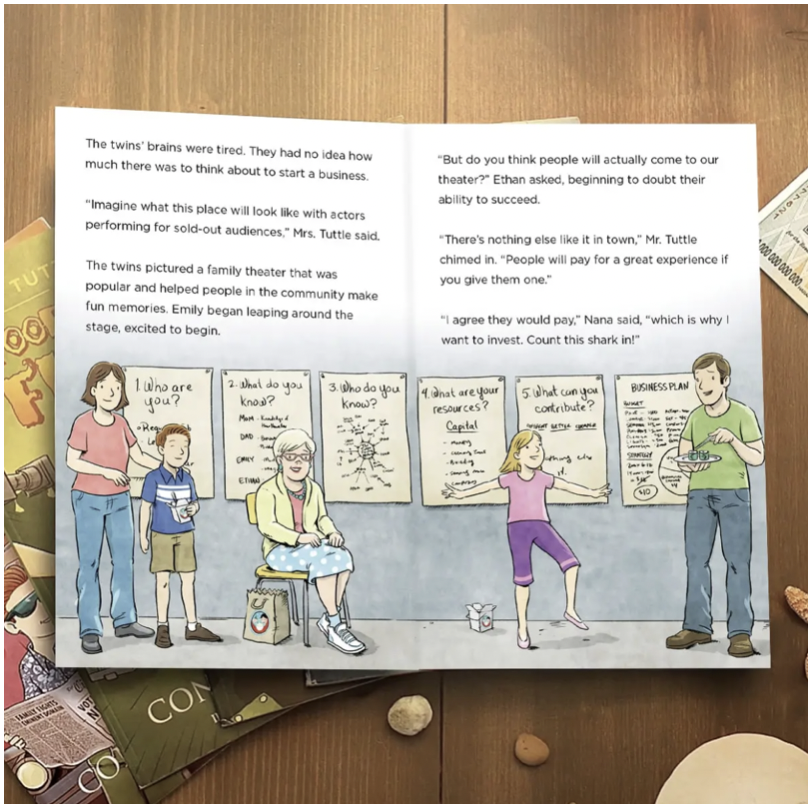
Michael Currier of Massachusetts is an unvaccinated gastroenterologist and entrepreneur, and he’s seen misinformation firsthand. He’s long been teaching his kids how to spot misinformation, but they were naturally skeptical when they didn’t hear it from anyone but him. However, the right books taught his kids how to combat misinformation, and they will teach your kids too! If you’re wondering how to raise independent thinkers who can spot misinformation, the Tuttle Twins books are essential tools for your toolbelt.
How Critical Thinking Combats Misinformation
When kids can think critically, they become able to evaluate the credibility of sources and look for evidence, also identifying their own and others’ biases. Critical thinkers don’t just passively absorb information; they take it apart piece by piece to see what makes it “tick.”
Critical thinkers question the credentials of an author or source, alongside their motivations and whether they provide supporting evidence that goes beyond just statements that require trust. Kids who can think critically also spot confirmation bias, which is the tendency to believe something that fits in well with the thinker’s current belief system or worldview. This reduces demand for fake news that simply elicits an emotional reaction.
When your kids can think critically and independently, they will also be able to spot logical fallacies, like drawing causal conclusions from data that’s simply correlational. Critical thinkers can also tell the difference between scientific evidence and someone’s opinion.
Independent, critical thinkers don’t just read a page. They look up information from other trusted sources to verify that the original source is accurate. Critical thinking also encourages a healthy skepticism that causes independent thinkers to pause and assess emotionally charged content before they spread it around, realizing that misinformation frequently exploits outrage or fear.
Critical thinkers can also recognize propaganda tactics such as loaded language, false dilemmas, and “alternative facts.”
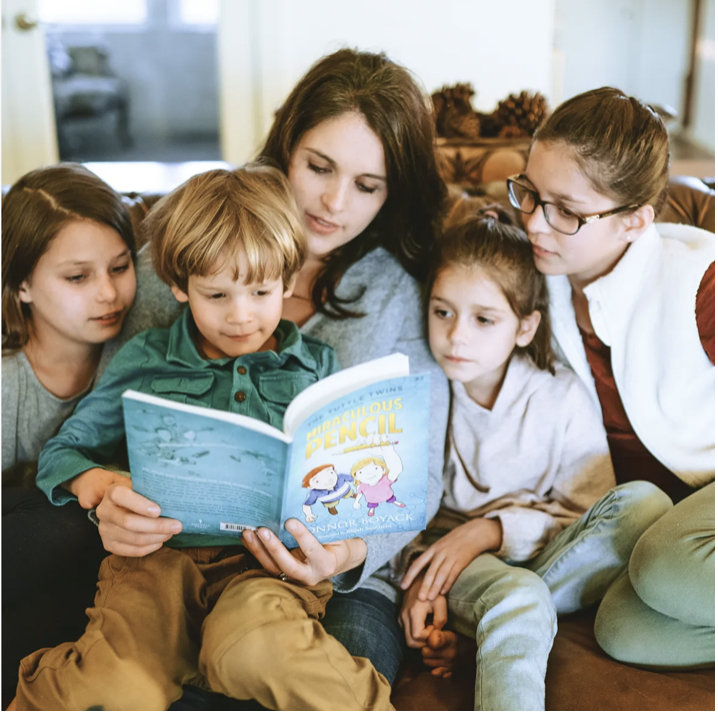
Photo: Tuttle Twins
Seeking Out Books that Teach Critical Thinking
At this point, parents wondering how to raise independent thinkers will want to look for books that teach critical thinking, like the Tuttle Twins series. The Tuttle Twins books explain things like misinformation, freedom of speech, and even the World Economic Forum while explaining that certain people get to decide what is and isn’t misinformation.
Books that teach critical thinking don’t just present facts. They encourage kids to analyze, evaluate, and put together arguments, frequently shining a light on logical fallacies and biases while calling for active application instead of a passive taking-in of information. Books that teach critical thinking will help you with how to raise independent thinkers by guiding you and your child through reasoned questioning and requiring evidence behind facts.
The Tuttle Twins series wraps every lesson in an engaging story that doesn’t just teach the information presented. The Tuttle Twins books also encourage all the above elements found in books that teach critical thinking. You can even enhance the critical-thinking skills embedded in all the Tuttle Twins books by pausing throughout the story and asking open-ended questions such as: What do you think the character should do next? What were some alternate solutions to the problem? What do you think could have been the consequences of those solutions?
Books that teach critical thinking like the Tuttle Twins series will go a long way toward helping you learn how to raise independent thinkers. They will also help you create special moments with your kids that they’ll remember forever! Join the growing number of parents who don’t want their kids to just be passive absorbers of information.
-

 Tech5 years ago
Effuel Reviews (2021) – Effuel ECO OBD2 Saves Fuel, and Reduce Gas Cost? Effuel Customer Reviews
-
 Tech7 years ago
Bosch Power Tools India Launches ‘Cordless Matlab Bosch’ Campaign to Demonstrate the Power of Cordless
-

 Lifestyle7 years ago
Catholic Cases App brings Church’s Moral Teachings to Androids and iPhones
-

 Lifestyle5 years ago
East Side Hype x Billionaire Boys Club. Hottest New Streetwear Releases in Utah.
-

 Tech7 years ago
Cloud Buyers & Investors to Profit in the Future
-

 Lifestyle6 years ago
The Midas of Cosmetic Dermatology: Dr. Simon Ourian
-

 Health7 years ago
CBDistillery Review: Is it a scam?
-

 Entertainment7 years ago
Avengers Endgame now Available on 123Movies for Download & Streaming for Free