
Health
The Scientist as Storyteller: How Steven Quay Makes Complex Medicine Relatable

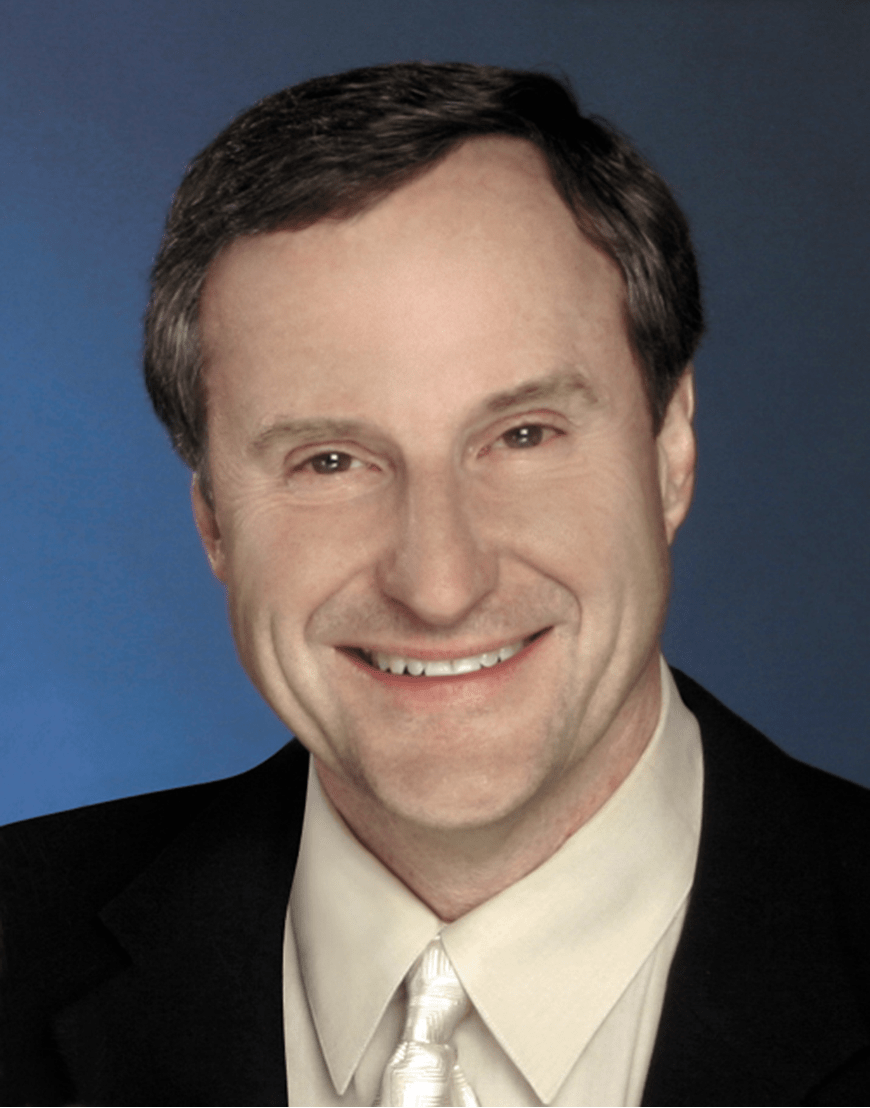
Scientific discovery often struggles to reach the people it is meant to serve. The distance between research and public understanding can be vast. For most scientists, publishing in peer-reviewed journals is the endpoint. For Dr. Steven Quay, it is only the beginning. His career has been defined not just by what he has discovered, but by how he communicates it.
Scientific trust today faces growing skepticism and misinformation spreads faster than facts, Quay has embraced a rare role. He is both a scientist and a storyteller. His ability to bridge the technical and the human is what makes his voice resonate across disciplines, institutions, and communities.
Writing as a Lens into the Human Side of Science
One of the clearest examples of Quay’s narrative instinct lies in his writing. He has authored three major books, each rooted in a different part of his life and expertise. Together, they show how a medical researcher can also be an accessible public thinker.
In Stay Safe: A Physician’s Guide to Survive Coronavirus, published June 5, 2020, during the first days of the pandemic, Quay offered plainspoken, evidence-based guidance on protecting oneself and one’s family. It was not framed as a political statement or a policy directive. It was personal and grounded in the daily realities people faced. He wrote it not just as a scientist, but as someone who wanted to help others navigate a frightening time with clarity and calm.
His second book, The Origin of the Virus, tackled a more complex and controversial subject: the question of how SARS-CoV-2 emerged. Rather than speculate, Quay walked readers through the scientific evidence with the kind of transparency that is often lacking in public discourse. The tone was methodical, never alarmist. What set the book apart was its balance, engaging to a lay reader, yet rigorous enough to be taken seriously by professionals.
Then there is A Ride Through Northville, a deeply personal departure from the world of virology and oncology. Here, Quay revisits his childhood in Michigan, capturing the streets, friendships, and quiet moments that shaped him long before he entered a lab. The structure of the book mimics the experience of riding a bike through town, evoking memory not as a chronology, but as a sensory journey. For a scientist whose career has involved high-stakes research and global debates, this book offers a rare window into the reflective, grounded person behind the work.
Speaking Clearly Without Speaking Down
Quay’s communication skill is not limited to the written word. He has also become a frequent guest on health-focused podcasts and a speaker at public science forums. His TEDx talk on breast cancer prevention is one of the most viewed videos on the subject, and for good reason. He does not rely on drama or abstract theory. Instead, he explains mammographic density, hormonal risk, and clinical trial design in a way that makes the science both comprehensible and actionable.
In interviews, Quay has a habit of slowing things down. He avoids jargon unless he defines it. He is comfortable saying, “We don’t know yet,” which, in the realm of public science, is a kind of honesty that builds trust. He often discusses Atossa Therapeutics’ trials in plain terms, describing how experimental drugs like (Z)-endoxifen might help certain patients respond better to treatment. He emphasizes that these are ongoing studies, not marketing pitches, which sets him apart from many biotech executives.
Educating the Public Without Oversimplifying
One of the challenges of public-facing science is resisting the urge to oversimplify. Many well-intentioned scientists flatten complexity to fit the constraints of social media or mainstream news. Quay does not follow that path. He explains mechanisms and hypotheses with nuance, trusting that readers and listeners are capable of understanding more than they are often given credit for.
His social media presence reflects the same philosophy. He shares articles and research updates, but rarely with alarm or bravado. When he comments on current medical debates, he tends to lead with evidence rather than opinion. That steady tone has earned him a following that spans across ideological and professional divides.
During the pandemic, this approach stood out. While others chased headlines, Quay focused on distilling evolving guidance into practical advice. He acknowledged the limits of current knowledge, updated his views as new data emerged, and emphasized science as an iterative process. His voice became one that many people turned to not for certainty, but for clarity.
A Scientist’s Responsibility Beyond the Lab
Quay has often said that science does not exist in isolation. It is part of society. That belief informs why he writes, speaks, and engages in public discourse as actively as he does. He sees the scientist’s role not just as a producer of knowledge, but as a custodian of its meaning.
He has testified before the U.S. Congress and advised the State Department, not as a politician but as a physician-scientist committed to accuracy. In each case, his contribution has been grounded in data but shaped by a recognition of the human implications of policy and research.
This is especially evident in his work on breast cancer. By advocating for better screening tools and more personalized treatments, Quay speaks not only to clinicians and investors but to women facing real fears about their health. He explains the science behind mammographic density and hormonal modulation not just with charts, but with stories about what those risks mean in someone’s life.
Storytelling as a Form of Service
What makes Quay’s communication style compelling is that it never feels performative. He is not branding himself or building a media empire. He is doing what he believes scientists should do: make their work useful.
In every form of his storytelling, from the deeply personal to the technically specific, there is a throughline of responsibility. He understands that science touches people’s lives in ways that go far beyond the lab. For him, that means speaking clearly, writing honestly, and never underestimating the audience.
Humans have been looking for ways to extend their lifespan for hundreds of years. Medicine has made impressive strides, but for many, the effects of aging are still painfully real.
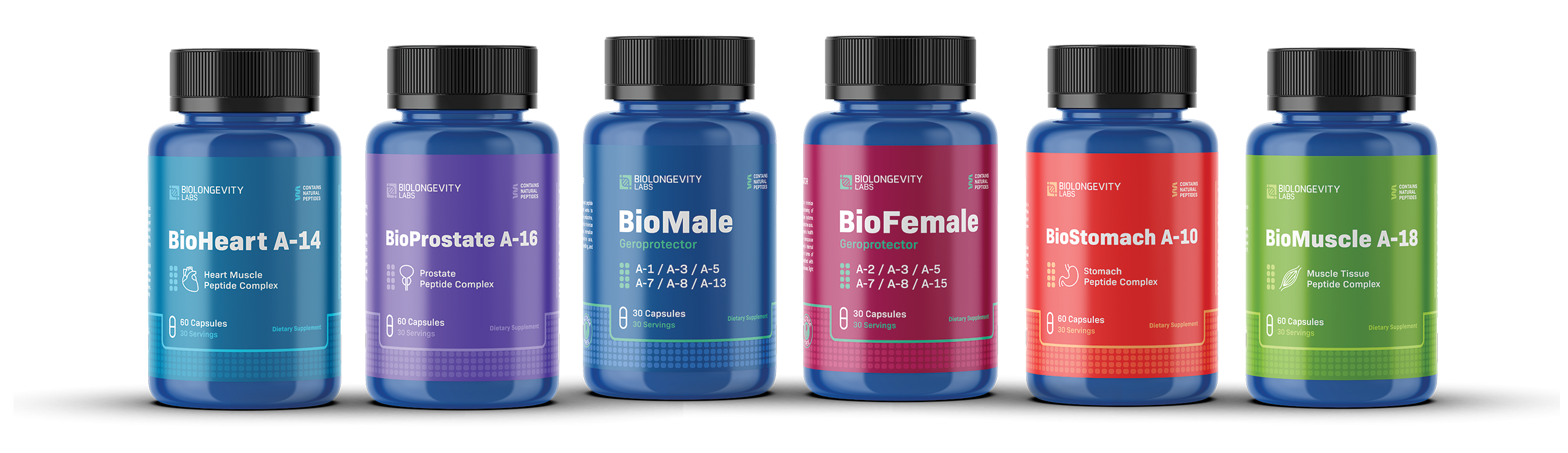
Through BioLongevity Labs, biohackers and entrepreneurs Jay Campbell and Josh Felber aim to introduce ordinary people to potentially life-changing compounds called peptides. Campbell and Felber come from very different backgrounds.
Campbell is a five-time international bestselling author and globally recognized leader in the health-optimization space. Felber is a serial entrepreneur who excels at scaling businesses.
For both men, BioLongevity Labs is more than just a business venture — it’s about helping everyday people discover something that just might prolong and improve their lives.
“Your body inevitably changes as the years pile on,” says Campbell. “Your energy drops, and wrinkles start showing up uninvited. Peptides can change everything.”
Many people have probably heard the term “peptide” in passing. Some may know they’re associated with longevity. Most people just don’t have a strong grasp of how they work.
A peptide is a short chain of amino acids, which are the building blocks of proteins. Essentially, peptides are like shorter, simpler proteins. That might sound unremarkable, but the real magic of peptides lies in how they work.
They function as signaling or “messenger” molecules telling the body to perform specific functions. Many peptides function similarly to hormones. A relevant example is GLP-1 (glucagon-like peptide-1) receptor agonists. This class of medications includes semaglutide and tirzepatide, two wildly popular weight-loss drugs.
“These peptides aren’t just another biohacking fad,” Campbell explains. “They enhance insulin secretion and suppress glucagon release to balance blood sugar levels and promote sustainable weight loss”. But what sets GLP-1 receptor agonists apart is their ability to regulate hunger.
Through the reduction of appetite and increased feelings of fullness, it is far easier for dieters to stick to a calorie deficit.” Although GLP-1 receptor agonists are widely prescribed, most peptides aren’t.
Campbell asserts, because many peptides have the potential to cure illnesses by treating the fundamental root cause, they go against America’s “sick care” model of healthcare. They potentially threaten drug companies and their bottom line.
“Peptides are simultaneously a dream come true for mankind and the worst possible nightmare for the pharmaceutical industry,” says Campbell. “It’s not a conspiracy theory. It’s pure economics and psychology in action. People will do whatever it takes to make as much money as possible in a free-market society, even if it means suppressing a superior solution.”
Patients probably aren’t going to be introduced to peptides through the healthcare system. Many discover them on their own. But for the many people who don’t have a solid understanding of how they work molecularly or even what dose to take, there is a risk. That’s precisely what BioLongevity Labs’ co-founders are attempting to address.
Jay Campbell has dedicated his life to educating people about therapeutic peptides and optimized hormones, and along with his partner Josh Felber, they’ve created a company offering filler-free, third-party tested peptides and bioregulators.
Campbell and Felber stress the fact that BioLongevity Labs isn’t meant to be a replacement for traditional medical care. Instead, its products bridge the gap between clinical and extra-clinical care. There’s no magic pill or single solution to solve the problem of aging.
But thanks to the development of specialized peptides, bioregulators, and small molecules, we’re closer than we’ve ever been before.
-

 Tech5 years ago
Effuel Reviews (2021) – Effuel ECO OBD2 Saves Fuel, and Reduce Gas Cost? Effuel Customer Reviews
-
 Tech6 years ago
Bosch Power Tools India Launches ‘Cordless Matlab Bosch’ Campaign to Demonstrate the Power of Cordless
-

 Lifestyle7 years ago
Catholic Cases App brings Church’s Moral Teachings to Androids and iPhones
-

 Lifestyle5 years ago
East Side Hype x Billionaire Boys Club. Hottest New Streetwear Releases in Utah.
-

 Tech7 years ago
Cloud Buyers & Investors to Profit in the Future
-

 Lifestyle5 years ago
The Midas of Cosmetic Dermatology: Dr. Simon Ourian
-

 Health7 years ago
CBDistillery Review: Is it a scam?
-

 Entertainment7 years ago
Avengers Endgame now Available on 123Movies for Download & Streaming for Free