
Business
A StartUp that made the Local Kirana Stores stand in front of the Global e-Commerce Majors

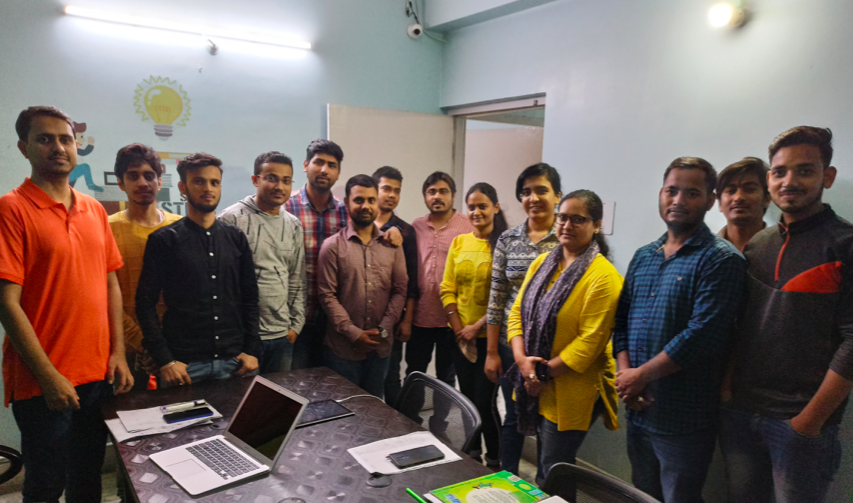
Indians have been traditionally relying on neighborhood stores (Kirana store) for food. The strong presence, network and overall personal level relationship establish them very deep in Indian society. Neighborhood stores are as old as this country is and still both partners are fulfilling the desire, need and expectations of each other but with the advancement of technology, the use of Smartphone and emergence of E-commerce local grocery stores are losing its charm.
A computer engineering graduate Mannu Jha, who born in a family that lives on the earning of small Kirana shop in the remote village of Bihar, when saw that old hubs of grocery shopping are losing its charm and relevancy due to emergence of E-commerce and Superstores as well as inadaptability of traditional Kirana store with technology and new trends. He decided to re-establish local Kirana once again and come up with a StartUp that incarnate Age-old Mom-Dad shop digitally to save the ancient shopping heritage, a StartUp that made local grocery stores stand in front of the global e-commerce majors.
Mannu reveals their agenda and state “I want a StartUp that incarnate Age-old Mom-Dad shop digitally to save the ancient shopping heritage and made local Kirana Stand in front of the global giants.”
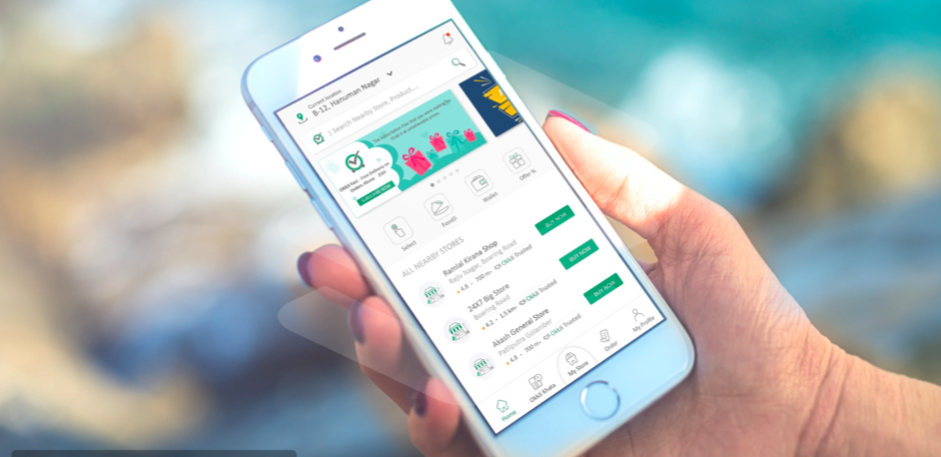
Customer Application
Germination of Idea
It was summer of 2019, Mannu is busy in his regular business stuff but every businessman is, first of all, a family man. No matter what you are, you have to go to buy ration. Mannu also has to dispatch his responsibility and went to a nearby grocery store where he found his old dream to revolutionize the Kirana store. He hanged all his old projects and work in nights to characterize his old dream. Resultantly “OkkJi” came into existence.
“I just want to tune old Kirana store according to new age and provide them a digital look that they cannot bear alone. I also want to uplift the additional responsibility like home delivery, documentation from shopkeepers so that they can focus on their business” Mannu explains his motives behind OkkJi.
The litmus test of the feasibility of Idea
Taking any decision is quite easy but implementing it in real is rather tough and complicated. This also happens with Mannu’s conception. So, marathon churning and survey start to know the on-ground feasibility, need and acceptance of the very idea.
Team Okkji criss-cross its first target city “Patna” trice to know the response from shops as well as the customer side. The rich & old retail market and dense population of Patna is a natural choice for us. The potential and future growth of the city also drags us towards it.
They find a very overwhelming response from shops and customers both. The responses of local Mom-dad shops are quite encouraging as they are facing tough competition from Superstore and e-commerce players.
“We just want to know that these thoughts are not just the mind of our mind, are common people also facing similar problems that’s why we have conducted three intense surveys across the city,” Ravi added who look after the research and development.
They get very encouraging responses from buyers and common family persons as they do not want to spend their home weekend in long queues of any supermarket and hesitate to buy groceries from e-commerce but have full faith in their neighbourhood Kirana store.
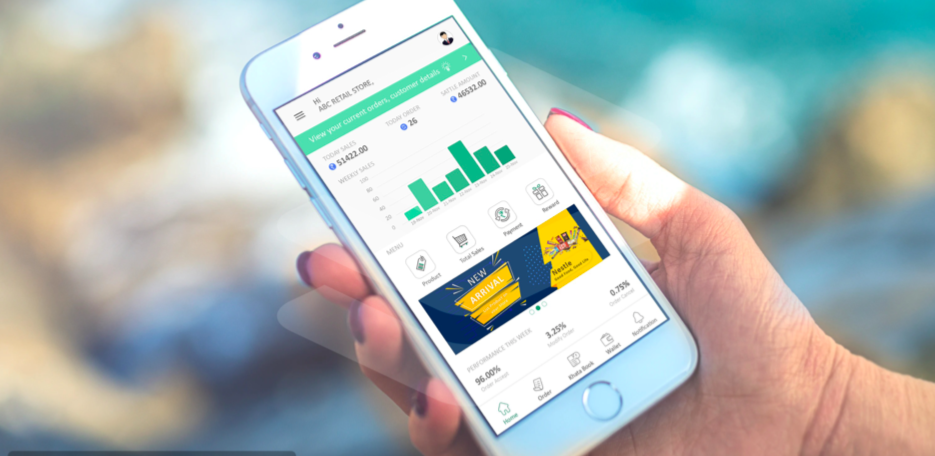
Kirana Store Application
Journey to the Characterization of OkkJi App
After testing the idea and its on-ground acceptance Team OkkJi they themselves into work to characterize concept OkkJi to App OkkJi.
Mannu along with key members handpick the best professionals to build a perfect team. They hire expert hand for the development of OkkJi App according to their expectations and visualization. Experience and young marketing team take responsibility to convince and associate shops, creative catalogue and inventory develop many sets of catalogue based on the taste of the city and shop’s potential.
Finally, OkkJi App is ready to launch and pre-registration starts with a big hit.
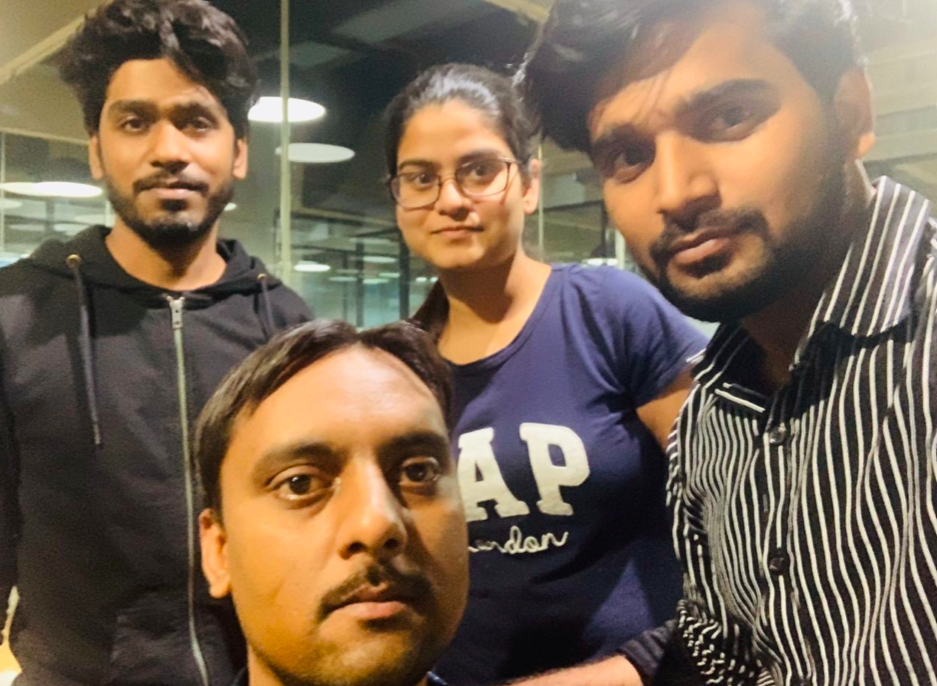
Okkji team
Sudden stroke and additional feather
Mannu and his team are all set to bang traditional grocery shopping mechanisms but the sudden outburst of COVID 19 that suspended all on- ground operation. It was terrible times for a new initiative but team OkkJi takes this break as an opportunity to evaluate and retrospect. Something excellent always comes out of introspection. Team OkkJi also gets some new feather-like OkkJI Fast- A dedicated delivery system, OkkJi direct- A smooth and traffic-free channel for manufacturers and a diverse range of subscription plans as OkkJi Direct.
“Lockdown starts with a sudden calamity for us but after some time we realize that it an opportunity to refine our services and evaluate the whole project” one of them added.
These words represent the dedication and association of members with the project.
Loss becomes gain
Lockdown and COVID outburst stops registration of shops because marketing executives cannot go to shops physically for registration.
In the other hand pre-registration for customers is getting overwhelming response that not only evokes enthusiasm and energy among the team but also inspire to perform the best.
This period advertises the idea in a great way also without even a single penny investment on advertisement as people realise and experience the need and relevancy of home delivery, the importance of neighbourhood Kirana, and inefficiency of Super market. They desperately need a channel that connects common people to neighbourhood Kirana digitally. Shops also realises the importance of digitalization and additional hand in terms of delivery.
“Lockdown, actually establish the demand of digitalization that smoothen our operation and marketing strategy. So, we start registration of shops digitally and get almost 100 stores in our panel. This response made us launch “Beta” phase of App that is quite useful for Retailers.”
With the initial potential and hope of 30000 order delivery in a month, team OkkJi is starting its journey in a royal manner and very Soon industry, as well as people, will hear the thump of its arrival, which has enshrined itself among all kinds of prohibition and Lockdown.
The dedication and zeal to revolutionize old age practice according to the digital era and contemporary technical adaptations is the core of this startup that not only maintain the living heritage of shopping as well as give thrust to individual entrepreneurship along with customers satisfaction.
Business
Ipsos Helps Brands Understand How They Get Customer Experience Wrong & Why It’s Costing Them Millions

For brands looking to succeed in the modern business ecosystem, the customer experience (CX) is not something companies can afford to ignore. CX is a direct driver of revenue, loyalty, and growth for organizations.
Ipsos, one of the world’s leading market research firms, helps brands understand that failing to focus on the customer experience can lead to lost sales, which in turn can translate to not only millions in lost revenue but also lost trust and credibility in the market.
How brands still get CX wrong
“The customer decision and desire to do business with brands directly affect the bottom line,” says Brad Christian, Chief Commercial Officer at Ipsos – Experience Practice.
Customer experience may sound like a simple concept, but many brands still get it wrong. CX goes beyond surveys and feedback. Leaders who fail to connect feedback in a meaningful way to goals such as retention, repeat visits or purchases, advocacy, and operational performance fail to deliver on their service promises. The emotional and functional disconnect can spell trouble for brands. The most polished advertising campaigns cannot make up for a frustrating customer interaction or a promise that a business cannot fulfill.
According to Ipsos’s internal research, many customers today see service as too automated and impersonal. More than half report that their experience is worse than promised.
These findings don’t just result in disappointed buyers. They result in lost customers, negative feedback, and a long-term impact on the business as a whole.
“Brands have to manage the entire customer experience across each and every touchpoint,” explains Christian.
Poor CX can be expensive
Executives can often underestimate how expensive a history of poor CX can be. Global losses can reach into the billions while leaders wonder what went wrong. In an age of rapid social media communication, a single negative interaction can spell disaster for a company, leading to reduced customer spending or the entire loss of its most loyal customers.
Those losses are not just reflected in lost revenue, however. Customer acquisition and marketing dollars can also be lost as companies continue to spend money trying to retain their customer base, often skipping right over the experience part of retention.
Poor customer experience can be a deep operating problem that creates a domino effect, decimating businesses from the inside out. These poor experiences can impact not only present and future customer acquisition but also business leaders and employees.
CX matters more in today’s business landscape
The customer experience has always mattered, but it may matter more to brands trying to make it in a modern, ultra-competitive, digitally-driven business landscape. Good experiences encourage repeat purchases, boost loyalty, and increase the likelihood that customers will go online and recommend a brand to others.
“Customer experience isn’t an isolated function,” says Christian. “It’s part of a larger system that ensures that brands measure and manage customer experience data and then act on that data to drive action where customer experience gaps exist.”
Brands also have to seek to understand today’s customers, who expect experiences that are seamless, authentic, and relevant. As more and more companies hop on the automation train, they will want to reassure their customers that the human element that many people consider important still exists.
At Ipsos, six drivers of strong customer relationships form the bedrock of the company’s CX platform, something that they refer to as the “Forces of CX”: certainty, fair treatment, control, status, belonging, and enjoyment.
Customers want to feel that if they have an issue with a brand, it will be handled and that their concerns will be understood. They don’t want the customer experience to feel like a battleground; they want it to feel fair and human.
“Customer experience isn’t just a nicer experience,” says Christian. “It ties directly to specific financial outcomes, whether that be increased sales, greater market share, or stronger brand loyalty.”
How Ipsos helps businesses deliver customer experiences that matter
Ipsos turns customer feedback into reliable, actionable, decision-ready information. The company goes beyond simple satisfaction metrics and implements voice-of-the-customer programs, journey analytics, relationship feedback, and quality research.
“Brands don’t just need data,” Christian says. “They need measurements as to how they are delivering on their brand promise and predictive modeling to tie financial performance measures to those measures to help them determine where to invest to maximize the customer experience and understand what financial impact those investments might deliver for the business.”
Ipsos measures the interactions that matter most and shows brands how each interaction can affect retention, share of spend, and efficiency. For brands that are trying to reduce the guesswork behind CX, Ipsos helps them move beyond cosmetic fixes to achieve real, meaningful change.
Customer expectations can shift on a dime, influenced by society, social media, and even changing trends. Ipsos helps brands meet those rapidly changing customer expectations with hard evidence and comprehensive metrics.
Today’s brands need to understand how to get the customer experience right. Ipsos has the insights needed to drive home the deep importance of CX in today’s marketplace.
-

 Tech5 years ago
Effuel Reviews (2021) – Effuel ECO OBD2 Saves Fuel, and Reduce Gas Cost? Effuel Customer Reviews
-
 Tech7 years ago
Bosch Power Tools India Launches ‘Cordless Matlab Bosch’ Campaign to Demonstrate the Power of Cordless
-

 Lifestyle7 years ago
Catholic Cases App brings Church’s Moral Teachings to Androids and iPhones
-

 Lifestyle5 years ago
East Side Hype x Billionaire Boys Club. Hottest New Streetwear Releases in Utah.
-

 Tech8 years ago
Cloud Buyers & Investors to Profit in the Future
-

 Lifestyle6 years ago
The Midas of Cosmetic Dermatology: Dr. Simon Ourian
-

 Health7 years ago
CBDistillery Review: Is it a scam?
-

 Entertainment7 years ago
Avengers Endgame now Available on 123Movies for Download & Streaming for Free