
Business
A2Z Chief, Bentsur Joseph, Talks about Success and Struggle

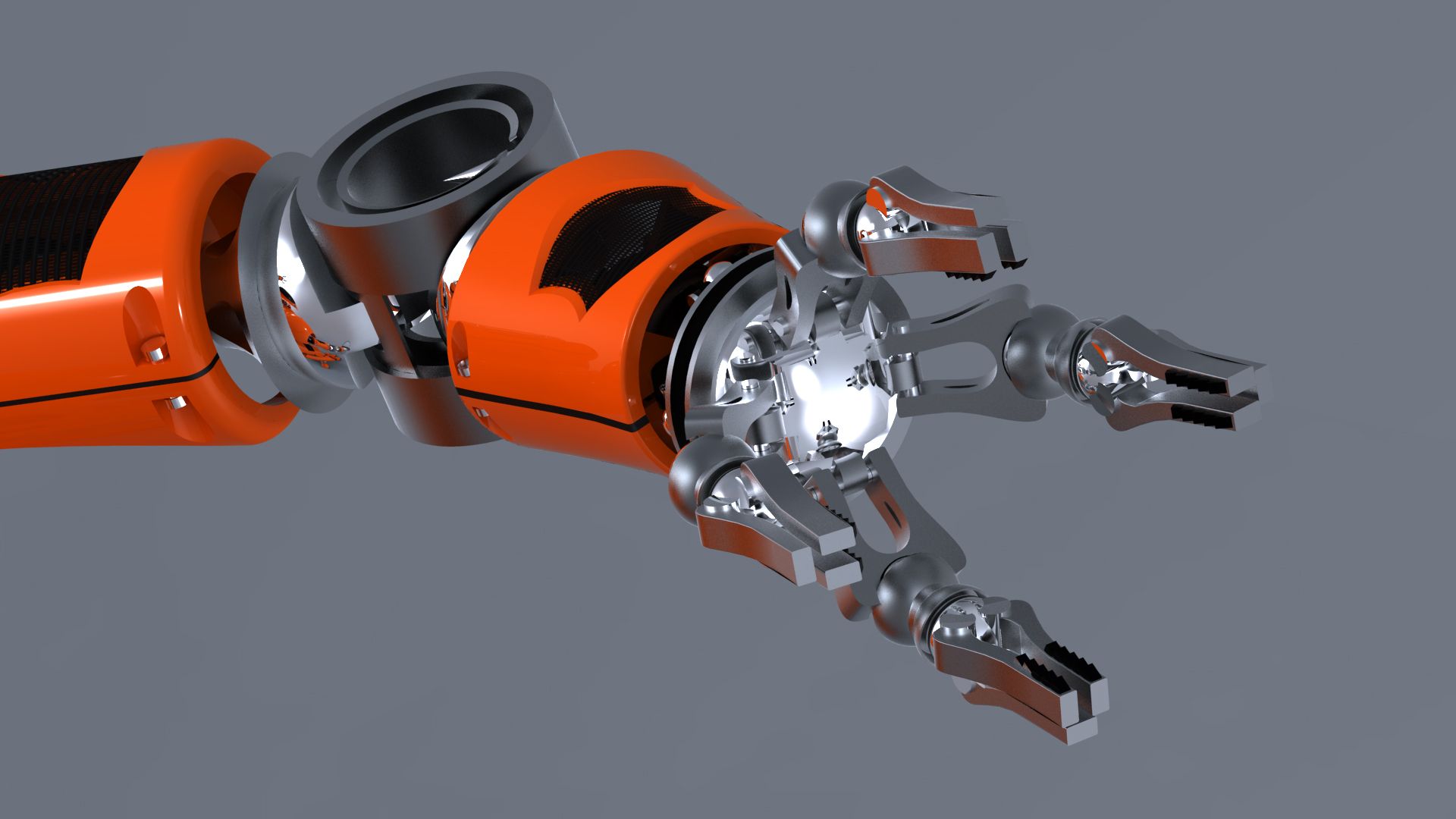
A serial entrepreneur, CEO and founder of A2Z Advanced Solutions Ltd., Bentsur Joseph has taken a huge step in the world of military unmanned robotics. And now he is aiming for more. The company will soon go public in Canada.
Headquartered in Yavne, Israel, the company specializes in creating state of the art, life saving technological solutions which would help Israeli military personnel from dying unnecessarily. Israel is caught up amidst the war zone, which leads to many untimely deaths of military personnel.
And the A2Z chief took it upon himself to find a cure to this problem. The company works with advanced robotics and ground breaking technologies, that can be used in the war zone unmanned. It can modify and control any automotive vehicle from a remote. That means, people are no longer in fire line in majority of cases, and that has led to very fewer deaths.
Bentsur Joseph has shared his secret in becoming a popular name in the world of unmanned robotics. He focuses on beforehand planning to set goals for the next day and wake up with greater motivation to make a mark. He shares how Robotics have become a vital part of today’s wars. And when talking about success, for Joseph, success is freedom, freedom to live life the way you want, doing whatever you wish, with people you love. He also believes that success should not be limited to just one’s own self. Success is to make a better life for everyone around you. In short, for him, success is when you are fully content with everything around you.
And he has achieved this success after 30 years of continuous struggle, and finally helping the Israel government. The constant attacks on Israel led to many deaths of the soldiers. And each death was a cause of great concern. So when Bentsur Joseph put forth his vision of the company to create unmanned robotics, the Israel military came on board instantly. Today, they are able to save a lot of lives with the help of this technology.

Byline: Andi Stark
For many people facing a legal problem, the most difficult part is not understanding their rights but finding a lawyer willing to speak with them in the first place. Long wait times, unclear pricing, and administrative hurdles often delay even the most basic consultations. YesLawyer, an AI-enabled plaintiff firm operating across all 50 states, is testing whether technology can shorten that gap.
Founded in 2024 by 25-year-old entrepreneur Rob Epstein, the platform offers free intake, automated screening, and, in many cases, same-day conversations with licensed attorneys. The idea is simple: reduce the friction between a client’s first request for help and an actual legal discussion. In this interview, Epstein explains how the system works, where artificial intelligence fits into the process, and what problems the company is trying to address in the broader legal system
Q: When you say you want lawyers to be “as accessible as Wi-Fi,” what does that mean in practical terms?
A: It’s a way of describing speed and availability. Someone dealing with a workplace dispute, a serious injury, or an immigration issue should be able to move from an online form or phone call to a real conversation with counsel in hours, not weeks. YesLawyer is structured so that a client begins with a free case evaluation, goes through automated conflict checks and basic screening, and, in many instances, speaks with a lawyer the same day.
Q: How does the process work once someone contacts the platform?
A: We use a structured workflow. It starts with a short questionnaire and an initial conversation to capture basic facts. That information feeds into conflict checks and internal review. The system then proposes a match with a licensed attorney and provides a calendar link for a virtual consultation, often within 24 hours. After the meeting, the client receives a written legal plan outlining next steps, deadlines, and estimated fees.
Q: Where does artificial intelligence fit into that process, and where does it stop?
A: AI is used for organizing and routing information, not for giving legal advice. It helps with conflict checks at scale, case categorization, and structured summaries so attorneys can focus on the substance of the matter. Every consultation is conducted by a licensed lawyer, and all decisions about strategy or next steps are made by humans.
Q: What problem is this model trying to solve in the current legal system?
A: Delay and cost are still major barriers. Many civil plaintiffs face long waits just to get a first appointment, along with high retainers and hourly billing that make early legal advice risky. We try to respond with faster consultations, flat-fee options, and financing. The idea is to remove administrative friction so lawyers spend less time on logistics and more time speaking with clients.
Q: Some critics say platforms like this blur the line between a technology company and a law firm. How do you describe YesLawyer?
A: We describe ourselves as a national, AI-enabled plaintiff firm that connects clients with independent attorneys. That structure does raise regulatory questions, especially around responsibility and oversight. We focus on licensing verification, attorney-written case plans, and clear communication about fees and services.
Q: You’ve said the main bottleneck is “systems” rather than people. What do you mean by that?
A: The issue isn’t that lawyers don’t want to help more people. It’s that the systems around them make it hard to scale their time. Intake, scheduling, and document handling take hours. Automating those parts means attorneys can handle more matters without being overwhelmed by repetitive tasks.
Q: Does this model risk favoring only the most profitable cases?
A: That’s a real concern in legal technology. Automation often works best for repeatable, high-volume disputes. Our view is that lowering administrative cost can actually make it easier to take on smaller or more complex cases that might otherwise be turned away. Whether that holds over time depends on the data.
Measuring Impact Over Time
YesLawyer’s attempt to compress the timeline between inquiry and consultation reflects broader changes in how legal services are being delivered. As artificial intelligence becomes more common in administrative work, firms are experimenting with new ways to reduce wait times and clarify costs.
The company’s early growth suggests that many clients value faster access to an initial conversation, even before considering long-term representation. Whether this platform-based model becomes widely adopted or remains one of several emerging approaches will depend on regulatory developments, lawyer participation, and measurable outcomes for clients. For now, YesLawyer’s experiment highlights a central question in modern legal practice: how quickly can help realistically be made available to the people who need it.
-

 Tech5 years ago
Effuel Reviews (2021) – Effuel ECO OBD2 Saves Fuel, and Reduce Gas Cost? Effuel Customer Reviews
-
 Tech7 years ago
Bosch Power Tools India Launches ‘Cordless Matlab Bosch’ Campaign to Demonstrate the Power of Cordless
-

 Lifestyle7 years ago
Catholic Cases App brings Church’s Moral Teachings to Androids and iPhones
-

 Lifestyle5 years ago
East Side Hype x Billionaire Boys Club. Hottest New Streetwear Releases in Utah.
-

 Tech7 years ago
Cloud Buyers & Investors to Profit in the Future
-

 Lifestyle6 years ago
The Midas of Cosmetic Dermatology: Dr. Simon Ourian
-

 Health7 years ago
CBDistillery Review: Is it a scam?
-

 Entertainment7 years ago
Avengers Endgame now Available on 123Movies for Download & Streaming for Free