
Lifestyle
Changing Your Home? Here are a Few Tips


As they say, the home is where the heart is. Being the space where you experience life’s ups and downs, your house should be somewhere you enjoy being since it is where many of us spend the majority of our time. With our home being our own space to transform as we please, approaching a project in the most effective way for our visions will help make the process run smoothly. Whether you are looking to just add your own touches with small adjustments or transform the place completely with a modern double storey extension to provide you with well needed space, here are our top tips for making your house a home.
Declutter your home and mind
A peaceful home is a big step in the right direction for a peaceful mind. By clearing out any old boxes, clothes or ornaments that you no longer want or need, you will see an instant change in the aesthetic of your home. As well as being much less cluttered, you may be surprised at how much bigger your space looks! How about heading down to the local charity shop or even car boot sale to make a bit of money on your old belongings? After all, one man’s trash is another man’s treasure.
Tackle it room by room
Taking on too many jobs at one time can lead to a whole lot of stress with very little outcome. To achieve the best results, take on the tasks one at a time and ensure you are happy before moving on to the next. This way, you may even learn some likes and dislikes which can educate your plans for other rooms in the house.
Bring the outside inside
One of our favourite ways to spruce up any room (if you’ll pardon the pun) is to add some greenery. Whether you prefer extravagant leafy plants in a statement pot or just some simple hanging foliage on your shelving, plants are a great way to pull a design together and make a room appear more complete. As well as looking fabulous, having plants around the home is shown to be great for your headspace, what’s not to love?
Create a home fit for purpose
If you plan on staying in your house for a while to come, it’s always better to plan ahead. Whether you live with elderly relatives who may struggle with mobility down the line or are looking to grow your family with some little ones, creating an adaptable space will ensure you are prepared for the future. Investing into a home extension is not only a great way to create additional living space for you and your family to enjoy, but it is bound to add value to your home when it comes to selling.
Add your own stamp on the place
To create a home that you love, it needs your own special touches! Display things that make you the happiest, whether that be framed pictures of your loved ones, souvenirs from your travels or simply a bunch of flowers to brighten up the space. By portraying your own personality, you are bound to feel more relaxed and happy in your space so unleash your creativity!
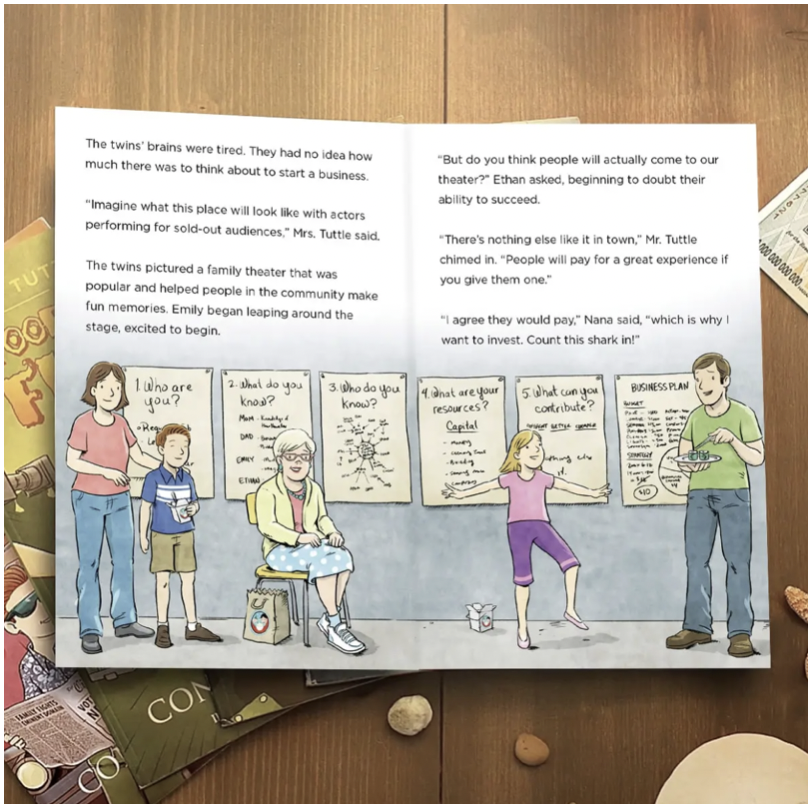
Michael Currier of Massachusetts is an unvaccinated gastroenterologist and entrepreneur, and he’s seen misinformation firsthand. He’s long been teaching his kids how to spot misinformation, but they were naturally skeptical when they didn’t hear it from anyone but him. However, the right books taught his kids how to combat misinformation, and they will teach your kids too! If you’re wondering how to raise independent thinkers who can spot misinformation, the Tuttle Twins books are essential tools for your toolbelt.
How Critical Thinking Combats Misinformation
When kids can think critically, they become able to evaluate the credibility of sources and look for evidence, also identifying their own and others’ biases. Critical thinkers don’t just passively absorb information; they take it apart piece by piece to see what makes it “tick.”
Critical thinkers question the credentials of an author or source, alongside their motivations and whether they provide supporting evidence that goes beyond just statements that require trust. Kids who can think critically also spot confirmation bias, which is the tendency to believe something that fits in well with the thinker’s current belief system or worldview. This reduces demand for fake news that simply elicits an emotional reaction.
When your kids can think critically and independently, they will also be able to spot logical fallacies, like drawing causal conclusions from data that’s simply correlational. Critical thinkers can also tell the difference between scientific evidence and someone’s opinion.
Independent, critical thinkers don’t just read a page. They look up information from other trusted sources to verify that the original source is accurate. Critical thinking also encourages a healthy skepticism that causes independent thinkers to pause and assess emotionally charged content before they spread it around, realizing that misinformation frequently exploits outrage or fear.
Critical thinkers can also recognize propaganda tactics such as loaded language, false dilemmas, and “alternative facts.”
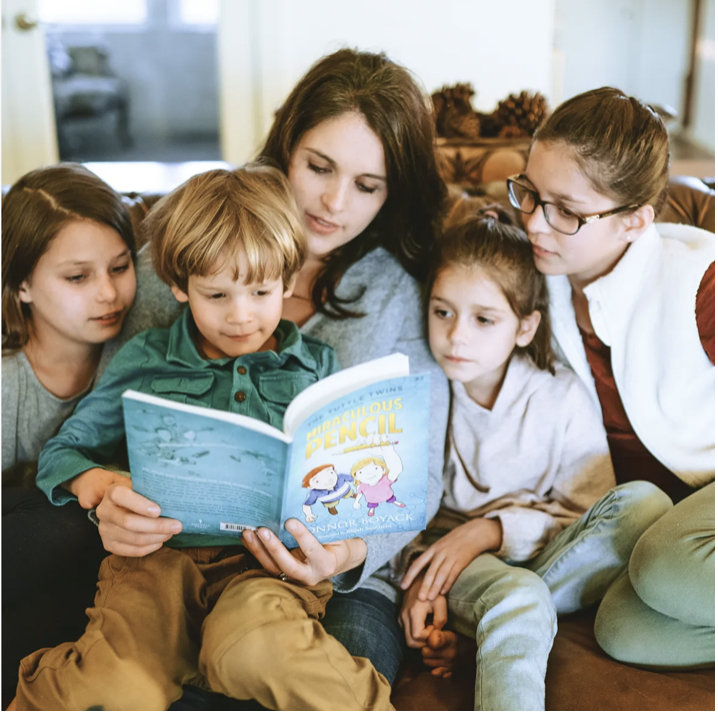
Photo: Tuttle Twins
Seeking Out Books that Teach Critical Thinking
At this point, parents wondering how to raise independent thinkers will want to look for books that teach critical thinking, like the Tuttle Twins series. The Tuttle Twins books explain things like misinformation, freedom of speech, and even the World Economic Forum while explaining that certain people get to decide what is and isn’t misinformation.
Books that teach critical thinking don’t just present facts. They encourage kids to analyze, evaluate, and put together arguments, frequently shining a light on logical fallacies and biases while calling for active application instead of a passive taking-in of information. Books that teach critical thinking will help you with how to raise independent thinkers by guiding you and your child through reasoned questioning and requiring evidence behind facts.
The Tuttle Twins series wraps every lesson in an engaging story that doesn’t just teach the information presented. The Tuttle Twins books also encourage all the above elements found in books that teach critical thinking. You can even enhance the critical-thinking skills embedded in all the Tuttle Twins books by pausing throughout the story and asking open-ended questions such as: What do you think the character should do next? What were some alternate solutions to the problem? What do you think could have been the consequences of those solutions?
Books that teach critical thinking like the Tuttle Twins series will go a long way toward helping you learn how to raise independent thinkers. They will also help you create special moments with your kids that they’ll remember forever! Join the growing number of parents who don’t want their kids to just be passive absorbers of information.
-

 Tech5 years ago
Effuel Reviews (2021) – Effuel ECO OBD2 Saves Fuel, and Reduce Gas Cost? Effuel Customer Reviews
-
 Tech7 years ago
Bosch Power Tools India Launches ‘Cordless Matlab Bosch’ Campaign to Demonstrate the Power of Cordless
-

 Lifestyle7 years ago
Catholic Cases App brings Church’s Moral Teachings to Androids and iPhones
-

 Lifestyle5 years ago
East Side Hype x Billionaire Boys Club. Hottest New Streetwear Releases in Utah.
-

 Tech7 years ago
Cloud Buyers & Investors to Profit in the Future
-

 Lifestyle6 years ago
The Midas of Cosmetic Dermatology: Dr. Simon Ourian
-

 Health7 years ago
CBDistillery Review: Is it a scam?
-

 Entertainment7 years ago
Avengers Endgame now Available on 123Movies for Download & Streaming for Free