
Lifestyle
From Wealth to Fields: A Billionaire’s Commitment to Small Farmers

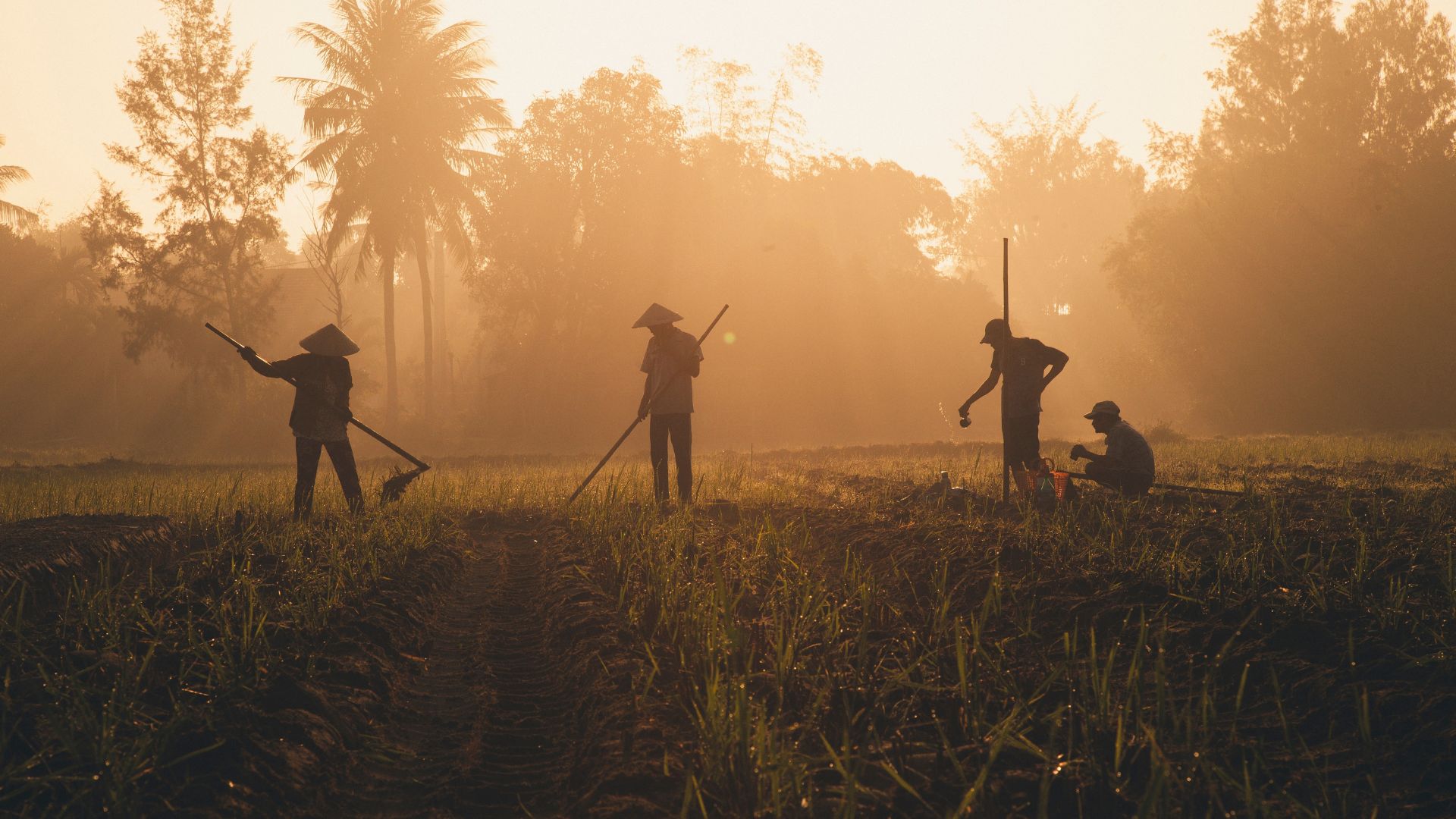
In recent years, billionaire Stefan Soloviev has transitioned from the world of New York real estate to the fertile farmlands of the American West.
His journey from urban wealth to rural development showcases a unique dedication to revitalizing small farming communities and transforming the agricultural landscape.
A New Vision for Agriculture
Stefan Soloviev, son of the late real estate tycoon Sheldon Solow, has amassed a considerable amount of farmland across Colorado, Kansas, and New Mexico. Soloviev’s agricultural enterprise, Crossroads Agriculture, spans over 400,000 acres, making him one of the largest landowners in the United States.
This substantial investment is not merely a financial venture; it represents a commitment to supporting and empowering small farmers in these regions.
Soloviev’s approach to farming is characterized by his desire to move away from competitive practices that often leave small farmers struggling. Instead, he emphasizes collaboration and sustainability.
By leveraging his resources, Soloviev aims to create a farming environment where smallholders can thrive alongside larger operations. This philosophy is particularly evident in his strategic acquisition of the San Luis & Rio Grande Railroad, a critical transportation link for agricultural products in the region.
Revitalizing Rural Communities
Soloviev’s impact extends beyond farmland acquisition. His purchase of the San Luis & Rio Grande Railroad at a bankruptcy auction for $10.7 million highlights his broader vision for the agricultural sector.
This railroad, previously owned by Iowa Pacific Holdings, connects the San Luis Valley to the national rail network, facilitating the efficient transport of goods and boosting local economies.
The acquisition is seen as a positive development for the San Luis Valley, with Soloviev’s Colorado Pacific Railroad expected to be more community-focused and supportive of local initiatives compared to the previous owners. This includes potential cooperation with local recreational projects, such as the proposed Heart of the Valley Trail, which aims to integrate rail and trail use for community benefit.
Soloviev’s dedication to the region is also reflected in his willingness to work with local stakeholders to address community needs. His approach contrasts with more traditional, profit-driven business models and underscores his commitment to fostering a sustainable and inclusive agricultural ecosystem.
Building a Sustainable Future
Soloviev’s investment in the Colorado Pacific Railroad and the broader agricultural infrastructure is part of a long-term vision to create a more resilient and sustainable farming community. By improving transportation networks and providing support to small farmers, he hopes to mitigate some of the challenges these farmers face, such as market access and transportation costs.
Moreover, Soloviev’s initiatives are seen as a way to preserve and enhance the rural way of life, which is increasingly threatened by industrial farming and urban encroachment. His efforts to balance economic viability with environmental stewardship demonstrate a nuanced understanding of the complexities of modern agriculture.
In conclusion, Stefan Soloviev’s transition from urban real estate mogul to a champion of small farmers is a testament to his innovative and community-oriented approach.
His significant investments in farmland and infrastructure, coupled with a commitment to sustainability and local engagement, are paving the way for a brighter future for small farmers in Colorado and beyond. Through his efforts, Soloviev is not only transforming
the agricultural landscape but also setting a precedent for how wealth and resources can be used to foster positive change in rural communities.

In an online world where entrepreneurship is often measured in Rolexes, rented Lambos, and airport selfies, Kuby Cazal stands out — not because he’s louder, but because he’s real.
He doesn’t flash his wealth. He doesn’t post luxury for the sake of validation. In fact, he’s said in several interviews that he doesn’t want to be known as the guy who flexes with money.
Instead?
He flexes with faith.
Kuby Cazal is a practicing Muslim — and for him, business isn’t just about profits and success. It’s about gratitude, growth, and fulfilling the responsibilities that come with the blessings Allah has given him.
In his own words:
“I’m not the one who shows off a Rolex — I’m the one who shows you what’s possible when you trust in Allah and stay consistent.”
And it shows. While others post stories of flashy lifestyles, Kuby’s focus is on impact. He prays. He fasts. He makes dua for his team. And he constantly reminds his audience that everything he has is from Allah — not from his own effort alone.
Behind the scenes, he’s helped countless dropshippers quietly. No screenshots. No clout. Just support. His message is simple: you can build a business and stay true to your deen.
But it wasn’t always this way. Kuby Cazal himself admits that a few years ago, his connection to Islam wasn’t where it should’ve been. “I prayed sometimes, I skipped sometimes,” he shares. “Now I don’t skip. Because everything I have, everything I am — it’s from Allah. Why would I ever miss thanking Him?”
In a world full of noise, Kuby Cazal is a different kind of entrepreneur. One who doesn’t point to himself as the source of success — but to Allah.
For young Muslims trying to navigate business and faith, he’s proof that you don’t have to sell your soul to build something meaningful. You can work hard, stay humble, and always keep Allah first.
And in Kuby’s case? That’s the biggest flex of all.
-

 Tech4 years ago
Effuel Reviews (2021) – Effuel ECO OBD2 Saves Fuel, and Reduce Gas Cost? Effuel Customer Reviews
-
 Tech6 years ago
Bosch Power Tools India Launches ‘Cordless Matlab Bosch’ Campaign to Demonstrate the Power of Cordless
-

 Lifestyle6 years ago
Catholic Cases App brings Church’s Moral Teachings to Androids and iPhones
-

 Lifestyle4 years ago
East Side Hype x Billionaire Boys Club. Hottest New Streetwear Releases in Utah.
-

 Tech7 years ago
Cloud Buyers & Investors to Profit in the Future
-

 Lifestyle5 years ago
The Midas of Cosmetic Dermatology: Dr. Simon Ourian
-

 Health6 years ago
CBDistillery Review: Is it a scam?
-

 Entertainment6 years ago
Avengers Endgame now Available on 123Movies for Download & Streaming for Free