
Lifestyle
Giving you an indelibly impressive experience of Bali is Jason Fong, the adroit manager of a prime travel company


Fong is popularly known as the “Boss of Bali” for a reason; his intense love and zealousness has carved various memorable experiences for many travellers to the “Island of the God.”
The word travel as a subject is so vast; some say it is meant to transform individuals and alter their lives by giving them experiences of their lifetime. For some others, travel is an excuse to take a retreat from their hectic daily schedules to find themselves back as individuals. There are so many beautiful places on this earth and so many things that these places can teach a person through the many journeys it can offer through the process. Many travel managers make the voyage easier for travel enthusiasts and tourists by showing them the place differently and making them fall in love with it. One such heaven on earth is Bali and one such travel manager is Jason Fong, who is very popular as “The Boss of Bali”.
Fong has dedicated his life entirely to Bali since the time he explored this beauty on earth and made his mission to make people see the beauty through his eyes and make them understand the rich culture, heritage, significance and beauty of “the island of the God”. Born on September 26, 1978, Fong belongs to Sydney, Australia. Life took him on a different trip and made him dedicate his life to Bali, where today he makes the journey of others comfortable and unforgettable for their lifetime.
After working for two companies as a sales manager and even as the head of international markets, Fong realized he has a greater purpose to fulfill in life after he visited the most sought after destination – Bali for his honeymoon. This expedition of Fong brought a 360 degrees turn in his career when he decided to enter the travel and hospitality industry and work as the face of Bali in the luxury travel sector. Today, he works as the manager for partnerships and contracting at one of the most distinguished luxury travel companies of Sydney named Luxury Escapes. This company is ahead in the online travel industry for offering the best lavish hotels and resorts in the world and catering to all the demands and needs of its clients. They also work towards creating more demand for its hotel partners with their smart marketing campaigns, helping them gain maximum earnings.
Since 20 years, Fong is completely committed to Bali, which he considers his second home, while still having a base in Sydney. His enormous list of clients and his abilities to acquire new hotel partners can be attributed to his meticulous efforts over the years and his sheer love for the island of the God.
His work towards promoting the tourism of Bali and his adoration and adulation for the place has made him drive more people towards the many islands and landscapes of Bali. As a travelling manager expert, Fong wants people to not just enjoy the beauty that Bali offers, but also know the peace and serenity it gives to travellers. He has so far influenced many for taking a trip to the place. He is also an expert in developing relations with the locals as well as 5-star properties that has made him flourish as a travel expert.
He aims to give people an experience that will stay with them for a lifetime, impacting their lives beautifully. He has enlisted his name in the elite list of the top luxury travel sector experts and has earned a name for himself as “The Boss of Bali”, to make Bali reach greater heights as the most sought after and a hot travel destination of the world. Fong is known for his expertise and advises to people in Bali for making their journeys easier and full of comfort.

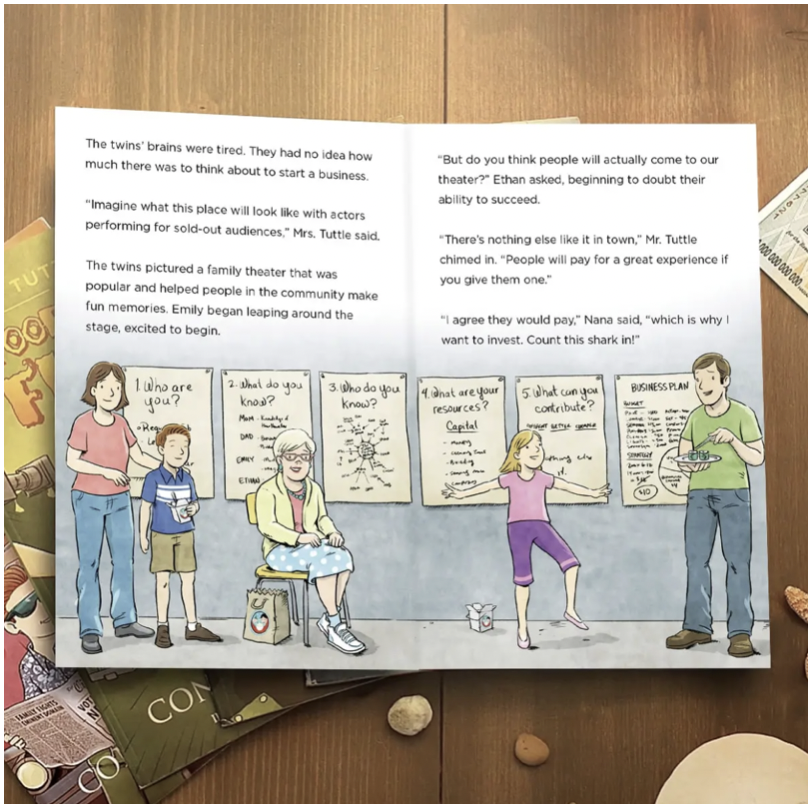
Michael Currier of Massachusetts is an unvaccinated gastroenterologist and entrepreneur, and he’s seen misinformation firsthand. He’s long been teaching his kids how to spot misinformation, but they were naturally skeptical when they didn’t hear it from anyone but him. However, the right books taught his kids how to combat misinformation, and they will teach your kids too! If you’re wondering how to raise independent thinkers who can spot misinformation, the Tuttle Twins books are essential tools for your toolbelt.
How Critical Thinking Combats Misinformation
When kids can think critically, they become able to evaluate the credibility of sources and look for evidence, also identifying their own and others’ biases. Critical thinkers don’t just passively absorb information; they take it apart piece by piece to see what makes it “tick.”
Critical thinkers question the credentials of an author or source, alongside their motivations and whether they provide supporting evidence that goes beyond just statements that require trust. Kids who can think critically also spot confirmation bias, which is the tendency to believe something that fits in well with the thinker’s current belief system or worldview. This reduces demand for fake news that simply elicits an emotional reaction.
When your kids can think critically and independently, they will also be able to spot logical fallacies, like drawing causal conclusions from data that’s simply correlational. Critical thinkers can also tell the difference between scientific evidence and someone’s opinion.
Independent, critical thinkers don’t just read a page. They look up information from other trusted sources to verify that the original source is accurate. Critical thinking also encourages a healthy skepticism that causes independent thinkers to pause and assess emotionally charged content before they spread it around, realizing that misinformation frequently exploits outrage or fear.
Critical thinkers can also recognize propaganda tactics such as loaded language, false dilemmas, and “alternative facts.”

Photo: Tuttle Twins
Seeking Out Books that Teach Critical Thinking
At this point, parents wondering how to raise independent thinkers will want to look for books that teach critical thinking, like the Tuttle Twins series. The Tuttle Twins books explain things like misinformation, freedom of speech, and even the World Economic Forum while explaining that certain people get to decide what is and isn’t misinformation.
Books that teach critical thinking don’t just present facts. They encourage kids to analyze, evaluate, and put together arguments, frequently shining a light on logical fallacies and biases while calling for active application instead of a passive taking-in of information. Books that teach critical thinking will help you with how to raise independent thinkers by guiding you and your child through reasoned questioning and requiring evidence behind facts.
The Tuttle Twins series wraps every lesson in an engaging story that doesn’t just teach the information presented. The Tuttle Twins books also encourage all the above elements found in books that teach critical thinking. You can even enhance the critical-thinking skills embedded in all the Tuttle Twins books by pausing throughout the story and asking open-ended questions such as: What do you think the character should do next? What were some alternate solutions to the problem? What do you think could have been the consequences of those solutions?
Books that teach critical thinking like the Tuttle Twins series will go a long way toward helping you learn how to raise independent thinkers. They will also help you create special moments with your kids that they’ll remember forever! Join the growing number of parents who don’t want their kids to just be passive absorbers of information.
-

 Tech5 years ago
Effuel Reviews (2021) – Effuel ECO OBD2 Saves Fuel, and Reduce Gas Cost? Effuel Customer Reviews
-
 Tech7 years ago
Bosch Power Tools India Launches ‘Cordless Matlab Bosch’ Campaign to Demonstrate the Power of Cordless
-

 Lifestyle7 years ago
Catholic Cases App brings Church’s Moral Teachings to Androids and iPhones
-

 Lifestyle5 years ago
East Side Hype x Billionaire Boys Club. Hottest New Streetwear Releases in Utah.
-

 Tech7 years ago
Cloud Buyers & Investors to Profit in the Future
-

 Lifestyle6 years ago
The Midas of Cosmetic Dermatology: Dr. Simon Ourian
-

 Health7 years ago
CBDistillery Review: Is it a scam?
-

 Entertainment7 years ago
Avengers Endgame now Available on 123Movies for Download & Streaming for Free