
Business
How Otter PR is Redefining the PR Industry and Why You’ll Want to get On Board

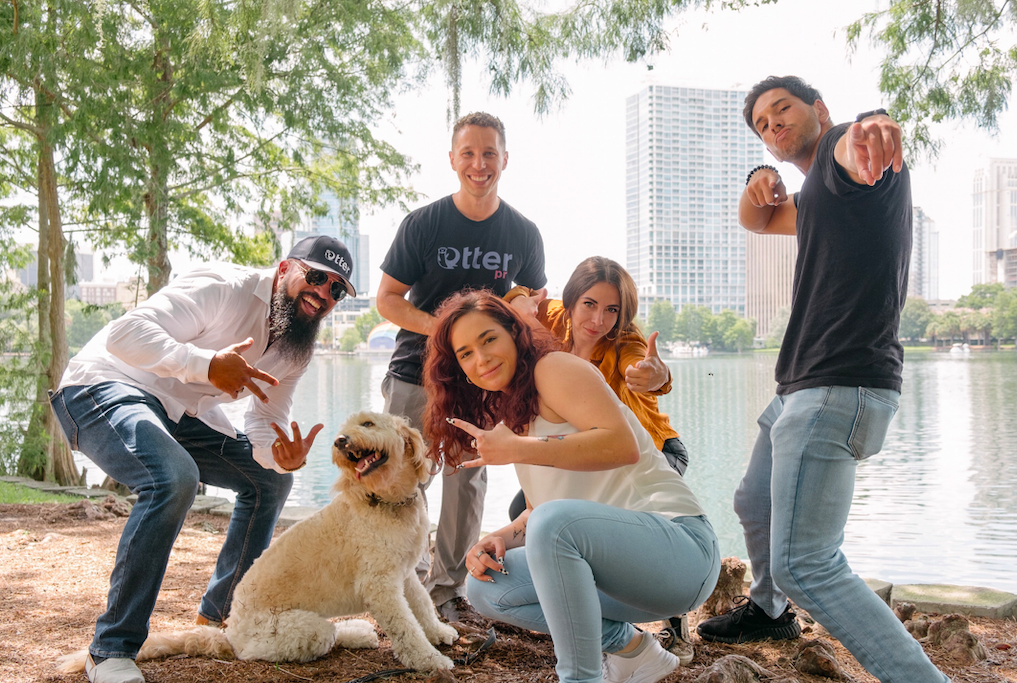
When adversity is looming in the distance, there’s a choice to be made. Be proactive, even if you don’t know the extent of the adversity, or wait for it to hit and be reactive. Co-founders of Otter PR, Jay Feldman and Scott Bartnick, chose to be proactive.
With COVID-19 beginning to show just how disruptive it will be, the two business partners knew that their current work in e-commerce was bound to go under for quite some time. The two discussed not only what they were good at, but what they enjoyed. And after a very poor experience with a publicist, Feldman was determined to offer a better service with a concrete guarantee. Born was Otter PR.
So how did a small start-up in the midst of a global pandemic not only rise to success, but continue to take the lead in the PR game? It’s all about collaborative execution. While many companies were forced to temporarily or permanently close, Otter PR rose from basically zero to seven figures in six months, and that’s no simple task. Best said by Lara Rosales, the VP of Communications, their core values lie in teamwork and open communication. It’s more than breakroom chit chat. It’s about having aligned priorities and working as a unit to get there.
At Otter PR, they know the value of you is in your story. When’s the last time you were interested in a one-page story with broken paragraphs and missing sentences? Probably never. That’s why Otter PR takes the time to deep dive into your story, not skimming or skipping any words, because each part is important to getting you to your goals and the Otter PR team to understanding you fully. With a diverse group of publicists of all different backgrounds and expertise, no matter who you are, they’ll have someone who will be eager to learn your story inside and out.
The Otter PR team embodies a powerful force to be reckoned with. Not only do they have the passion and experience to thrive independently, but use their individual strengths to support and advise each other each step of the way. And they don’t stop there. The open line of communication goes beyond the team, but to the clients themselves, ensuring the client’s vision comes to life just how they imagined it. Ultimately the client’s media coverage and how they are portrayed is priority, so each client will be able to text, call, or email their publicist at any time to have their questions answered.
In order to have confidence in a company, they need to have confidence in themselves, and Otter PR knows they’re good at what they do. They won’t take just any client, only those who they know has a story worth being published. Due to that vetting process, they guarantee that anyone they do work with will see results. If not, they have a money-back guarantee. Otter PR also utilizes month-to-month contracts instead of long-term ones, illustrating their understanding that a client’s needs often change. You can cancel, restart, upgrade, or downgrade at any time, because they’re not in the business of keeping you locked in, they’re in the business of bringing you the most success.
Whether this is your first time working with publicists or you’re a big brand that needs some extra buzz surrounding an upcoming event, Otter PR has got your back. Stop dreaming about how you want to scale your brand and make it a reality.

Byline: Andi Stark
For many people facing a legal problem, the most difficult part is not understanding their rights but finding a lawyer willing to speak with them in the first place. Long wait times, unclear pricing, and administrative hurdles often delay even the most basic consultations. YesLawyer, an AI-enabled plaintiff firm operating across all 50 states, is testing whether technology can shorten that gap.
Founded in 2024 by 25-year-old entrepreneur Rob Epstein, the platform offers free intake, automated screening, and, in many cases, same-day conversations with licensed attorneys. The idea is simple: reduce the friction between a client’s first request for help and an actual legal discussion. In this interview, Epstein explains how the system works, where artificial intelligence fits into the process, and what problems the company is trying to address in the broader legal system
Q: When you say you want lawyers to be “as accessible as Wi-Fi,” what does that mean in practical terms?
A: It’s a way of describing speed and availability. Someone dealing with a workplace dispute, a serious injury, or an immigration issue should be able to move from an online form or phone call to a real conversation with counsel in hours, not weeks. YesLawyer is structured so that a client begins with a free case evaluation, goes through automated conflict checks and basic screening, and, in many instances, speaks with a lawyer the same day.
Q: How does the process work once someone contacts the platform?
A: We use a structured workflow. It starts with a short questionnaire and an initial conversation to capture basic facts. That information feeds into conflict checks and internal review. The system then proposes a match with a licensed attorney and provides a calendar link for a virtual consultation, often within 24 hours. After the meeting, the client receives a written legal plan outlining next steps, deadlines, and estimated fees.
Q: Where does artificial intelligence fit into that process, and where does it stop?
A: AI is used for organizing and routing information, not for giving legal advice. It helps with conflict checks at scale, case categorization, and structured summaries so attorneys can focus on the substance of the matter. Every consultation is conducted by a licensed lawyer, and all decisions about strategy or next steps are made by humans.
Q: What problem is this model trying to solve in the current legal system?
A: Delay and cost are still major barriers. Many civil plaintiffs face long waits just to get a first appointment, along with high retainers and hourly billing that make early legal advice risky. We try to respond with faster consultations, flat-fee options, and financing. The idea is to remove administrative friction so lawyers spend less time on logistics and more time speaking with clients.
Q: Some critics say platforms like this blur the line between a technology company and a law firm. How do you describe YesLawyer?
A: We describe ourselves as a national, AI-enabled plaintiff firm that connects clients with independent attorneys. That structure does raise regulatory questions, especially around responsibility and oversight. We focus on licensing verification, attorney-written case plans, and clear communication about fees and services.
Q: You’ve said the main bottleneck is “systems” rather than people. What do you mean by that?
A: The issue isn’t that lawyers don’t want to help more people. It’s that the systems around them make it hard to scale their time. Intake, scheduling, and document handling take hours. Automating those parts means attorneys can handle more matters without being overwhelmed by repetitive tasks.
Q: Does this model risk favoring only the most profitable cases?
A: That’s a real concern in legal technology. Automation often works best for repeatable, high-volume disputes. Our view is that lowering administrative cost can actually make it easier to take on smaller or more complex cases that might otherwise be turned away. Whether that holds over time depends on the data.
Measuring Impact Over Time
YesLawyer’s attempt to compress the timeline between inquiry and consultation reflects broader changes in how legal services are being delivered. As artificial intelligence becomes more common in administrative work, firms are experimenting with new ways to reduce wait times and clarify costs.
The company’s early growth suggests that many clients value faster access to an initial conversation, even before considering long-term representation. Whether this platform-based model becomes widely adopted or remains one of several emerging approaches will depend on regulatory developments, lawyer participation, and measurable outcomes for clients. For now, YesLawyer’s experiment highlights a central question in modern legal practice: how quickly can help realistically be made available to the people who need it.
-

 Tech5 years ago
Effuel Reviews (2021) – Effuel ECO OBD2 Saves Fuel, and Reduce Gas Cost? Effuel Customer Reviews
-
 Tech7 years ago
Bosch Power Tools India Launches ‘Cordless Matlab Bosch’ Campaign to Demonstrate the Power of Cordless
-

 Lifestyle7 years ago
Catholic Cases App brings Church’s Moral Teachings to Androids and iPhones
-

 Lifestyle5 years ago
East Side Hype x Billionaire Boys Club. Hottest New Streetwear Releases in Utah.
-

 Tech7 years ago
Cloud Buyers & Investors to Profit in the Future
-

 Lifestyle6 years ago
The Midas of Cosmetic Dermatology: Dr. Simon Ourian
-

 Health7 years ago
CBDistillery Review: Is it a scam?
-

 Entertainment7 years ago
Avengers Endgame now Available on 123Movies for Download & Streaming for Free