
Business
Rodney Waits Holds Impact Above Income


Value. It has a different meaning for everyone, and each person’s perspective on value is what defines their goals. While one person will spend every spare second chasing dollars and cents, the next would feel more gratified by appreciation than money. Others would even give away huge amounts of money to obtain something else that they hold to a higher level of importance, such as an old baseball card, or an exhilarating experience. Someone can determine what they value the most in their life by looking at what they are striving toward, and what they are willing to give up to get it. What is the goal? What is the “why?”
This difference in personal value is exactly what sets Rodney Waits apart from many others in the real estate market: his “why”.
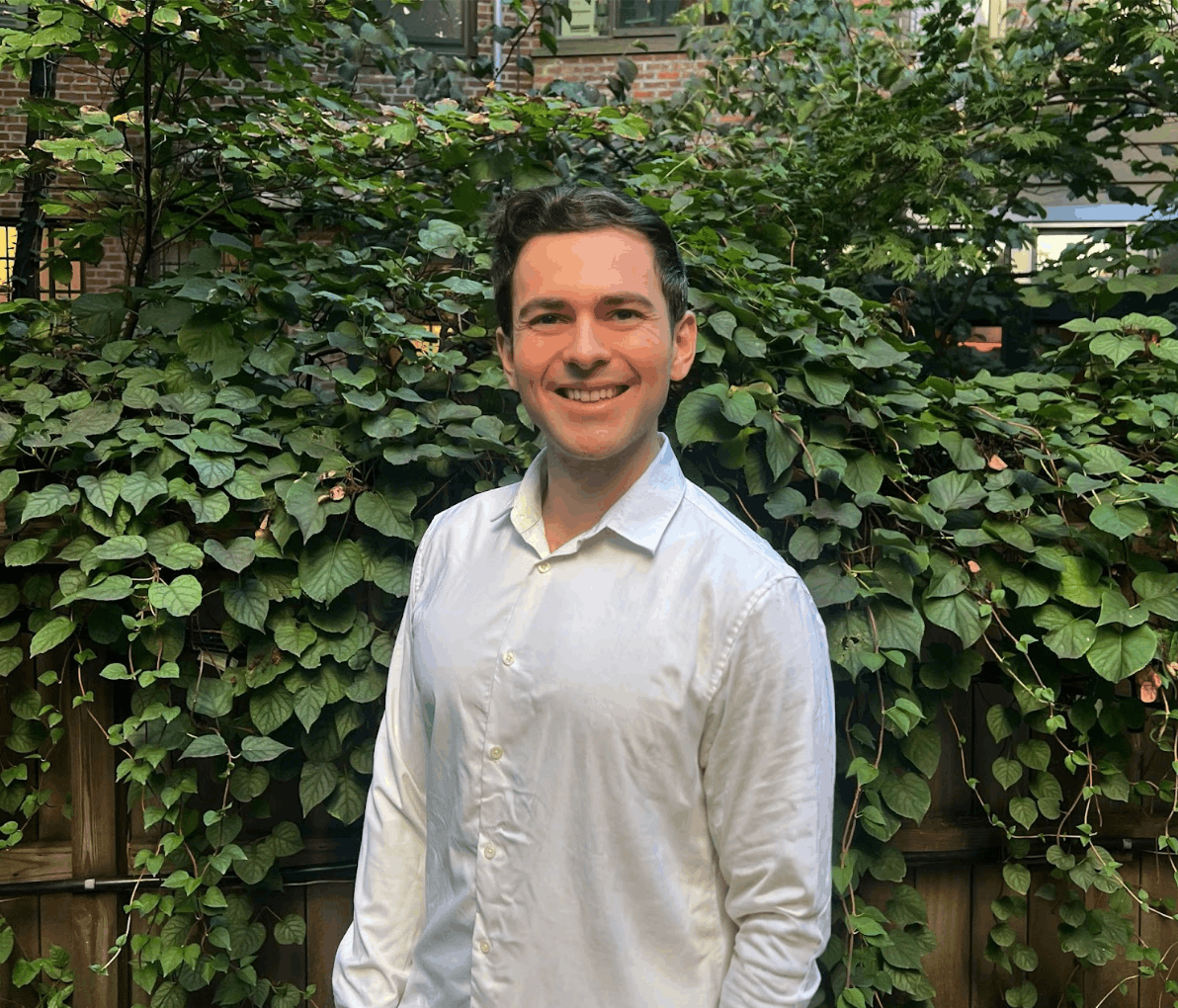
Rodney currently works with eXp Realty®, is based in Destin, Florida, and services much of the surrounding area. Although he is a very successful Realtor with several specialty certifications, his accomplishments were not on the top of his list of newsworthy achievements. The achievement that means the most to him, above even his awards and impressive sales volume, is simply that his team had helped over 50 families in 2021. His value is not that he and his team had more transactions than ever before and closed a record number of deals; they had been able to help over 50 families sell or find their dream home.
This is because Rodney Waits puts people and relationships at a higher value than money, and there is absolutely no doubt that this is why he is successful.
As a young, curious entrepreneur, Rodney loved working with people and found himself looking for opportunities to make a difference in the lives of others. His step-father, who worked for a builder in the area, had always wanted to run his own brokerage, and approached Rodney with the idea of trying to get it started. Rodney saw the opportunity, and took on the position part time. Diligently, he honed his skills as a Realtor and as a businessman, and immediately began to excel. It wasn’t long before he had brought in enough business that he was able to help his step-father leave his job as a top salesman in new construction to run the family brokerage full time, as well as bring his mother into the brokerage. For five years, this family-owned and operated brokerage expanded, up to the point that all involved knew that a change had to be made. With the brokerage well established and in good hands, Rodney took another step on his journey by joining eXp Realty® in 2021.
eXp Realty® is one of the fastest growing brokerages in North America, with business in real estate all over the world. The opportunity for continued growth gave Rodney the options he needed to meet his full potential. Within one year, Rodney has already achieved ICON status, an award within the company that speaks to the dedication and commitment of a Realtor who is a prime example of the company’s core values.
Although Rodney has been able to exemplify the company’s core values, the true impact he has achieved has come from his own personal drive of what is true value. All clients that go through him find that he fully commits to meeting their needs. Whether he must show three homes or 50, he is happy to do it. Unless his client is happy, he is not. He truly enjoys guiding people through the life changing process of finding or selling a home.
It’s not just the clients that have learned first hand of Rodney’s selflessness. Rodney has been slowly building a team of other Realtors who share his vision! The agents fortunate enough to find themselves under his leadership have also received an exceptional amount of care and consideration. Rodney says, “I currently have the goal of teaching all that I know, and sharing everything I achieve with my team, because I want to see them more successful than they could ever imagine.”
His desire is to create and inspire a group of Realtors that will be long lasting, not only for himself, but so they can also make an impact on more families, assisting more people in the long term. “My goal is helping people. My passion is making a difference in peoples’ lives. Real estate is my avenue.”
Rodney doesn’t only work toward this goal through real estate, though. He has also found other ways that he can inspire positive change in others. Aside from being active in his church and community, Rodney hosts a live, weekly radio talk show through the popular Florida Man Radio program. His weekly show is then turned into a podcast called Making An Impact that listeners can tune into on their own schedule and share with others. The focus of the entire program is to inspire, encourage, and empower people to reach their full potential.
Attributing to his own sense of value once again, Rodney has a different goal than most other show hosts. Rather than shoot for a mass of listeners and turn himself into a household name, he subscribes to a different creed: “Impact is greater than influence.” Rodney would rather provide one person with a lasting and meaningful impression than check a box on an arbitrary list with unaffected listeners. This is a testament to how he lives his life and conducts his business daily, and why people turn to Rodney when making some of the biggest decisions of their lives.
“How am I going to impact somebody’s life?” he says. “I’m not going to do something for financial gain… I’m really just working to make a difference. If I can just help one person see that they can change their whole life with one decision, that would be me doing a job well done.”
In short, the thing that Rodney values the most… the opportunity to help other people obtain what they value the most. This is what makes him such a prolific businessman, and why his clients and team alike are not only satisfied with his leadership and care, but look forward to coming back for more.

Byline: Andi Stark
For many people facing a legal problem, the most difficult part is not understanding their rights but finding a lawyer willing to speak with them in the first place. Long wait times, unclear pricing, and administrative hurdles often delay even the most basic consultations. YesLawyer, an AI-enabled plaintiff firm operating across all 50 states, is testing whether technology can shorten that gap.
Founded in 2024 by 25-year-old entrepreneur Rob Epstein, the platform offers free intake, automated screening, and, in many cases, same-day conversations with licensed attorneys. The idea is simple: reduce the friction between a client’s first request for help and an actual legal discussion. In this interview, Epstein explains how the system works, where artificial intelligence fits into the process, and what problems the company is trying to address in the broader legal system
Q: When you say you want lawyers to be “as accessible as Wi-Fi,” what does that mean in practical terms?
A: It’s a way of describing speed and availability. Someone dealing with a workplace dispute, a serious injury, or an immigration issue should be able to move from an online form or phone call to a real conversation with counsel in hours, not weeks. YesLawyer is structured so that a client begins with a free case evaluation, goes through automated conflict checks and basic screening, and, in many instances, speaks with a lawyer the same day.
Q: How does the process work once someone contacts the platform?
A: We use a structured workflow. It starts with a short questionnaire and an initial conversation to capture basic facts. That information feeds into conflict checks and internal review. The system then proposes a match with a licensed attorney and provides a calendar link for a virtual consultation, often within 24 hours. After the meeting, the client receives a written legal plan outlining next steps, deadlines, and estimated fees.
Q: Where does artificial intelligence fit into that process, and where does it stop?
A: AI is used for organizing and routing information, not for giving legal advice. It helps with conflict checks at scale, case categorization, and structured summaries so attorneys can focus on the substance of the matter. Every consultation is conducted by a licensed lawyer, and all decisions about strategy or next steps are made by humans.
Q: What problem is this model trying to solve in the current legal system?
A: Delay and cost are still major barriers. Many civil plaintiffs face long waits just to get a first appointment, along with high retainers and hourly billing that make early legal advice risky. We try to respond with faster consultations, flat-fee options, and financing. The idea is to remove administrative friction so lawyers spend less time on logistics and more time speaking with clients.
Q: Some critics say platforms like this blur the line between a technology company and a law firm. How do you describe YesLawyer?
A: We describe ourselves as a national, AI-enabled plaintiff firm that connects clients with independent attorneys. That structure does raise regulatory questions, especially around responsibility and oversight. We focus on licensing verification, attorney-written case plans, and clear communication about fees and services.
Q: You’ve said the main bottleneck is “systems” rather than people. What do you mean by that?
A: The issue isn’t that lawyers don’t want to help more people. It’s that the systems around them make it hard to scale their time. Intake, scheduling, and document handling take hours. Automating those parts means attorneys can handle more matters without being overwhelmed by repetitive tasks.
Q: Does this model risk favoring only the most profitable cases?
A: That’s a real concern in legal technology. Automation often works best for repeatable, high-volume disputes. Our view is that lowering administrative cost can actually make it easier to take on smaller or more complex cases that might otherwise be turned away. Whether that holds over time depends on the data.
Measuring Impact Over Time
YesLawyer’s attempt to compress the timeline between inquiry and consultation reflects broader changes in how legal services are being delivered. As artificial intelligence becomes more common in administrative work, firms are experimenting with new ways to reduce wait times and clarify costs.
The company’s early growth suggests that many clients value faster access to an initial conversation, even before considering long-term representation. Whether this platform-based model becomes widely adopted or remains one of several emerging approaches will depend on regulatory developments, lawyer participation, and measurable outcomes for clients. For now, YesLawyer’s experiment highlights a central question in modern legal practice: how quickly can help realistically be made available to the people who need it.
-

 Tech5 years ago
Effuel Reviews (2021) – Effuel ECO OBD2 Saves Fuel, and Reduce Gas Cost? Effuel Customer Reviews
-
 Tech7 years ago
Bosch Power Tools India Launches ‘Cordless Matlab Bosch’ Campaign to Demonstrate the Power of Cordless
-

 Lifestyle7 years ago
Catholic Cases App brings Church’s Moral Teachings to Androids and iPhones
-

 Lifestyle5 years ago
East Side Hype x Billionaire Boys Club. Hottest New Streetwear Releases in Utah.
-

 Tech7 years ago
Cloud Buyers & Investors to Profit in the Future
-

 Lifestyle6 years ago
The Midas of Cosmetic Dermatology: Dr. Simon Ourian
-

 Health7 years ago
CBDistillery Review: Is it a scam?
-

 Entertainment7 years ago
Avengers Endgame now Available on 123Movies for Download & Streaming for Free