
Lifestyle
Sink or Swim; Renowned Artist Fatma Al Shebani’s Early Work in Painting

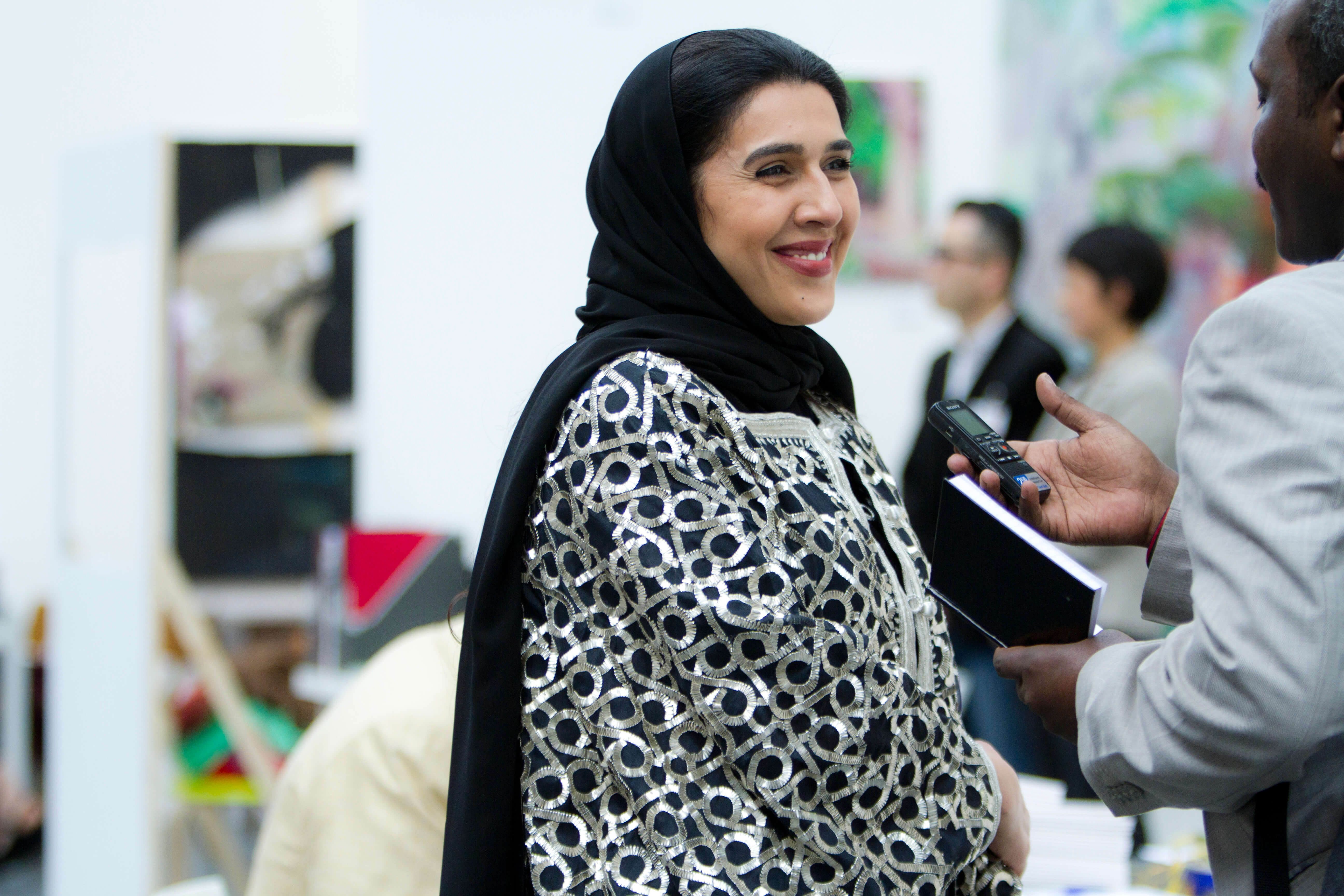
In life, one truly has just two options. Sink or swim. Most would like to think they would swim and yet most end up sinking, stuck in a place they never really intended to be. After being trapped by societal standards and traditions, contemporary artist Fatma Al Shebani chose to swim. With that choice, she placed herself in society’s line of fire and opened herself up to the art world’s criticism. She rebelled, broke barriers, and made a name for herself.
For over 15 years she has reached people across the world with her art. From Qatar to the Western world and to Palestine, there remains little doubt that she has left a significant impact and solidified her place in the art world. The unique style and voice behind her paintings and sculptures have allowed her to stand out. Every piece she creates retains a piece of herself through the story she aims to construct. Still, much like anything worthwhile, she traveled a long and winding road to accomplish all that she has.
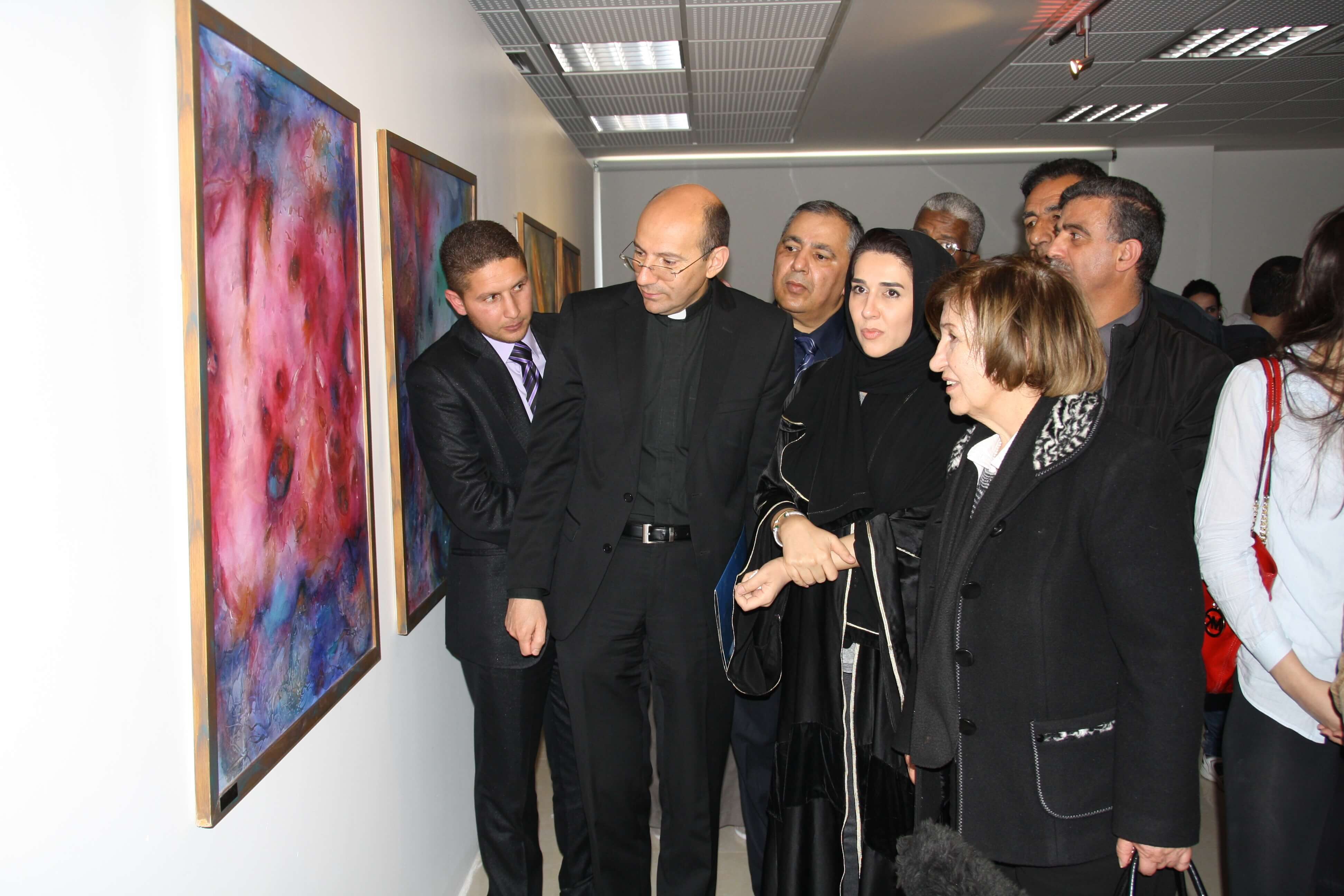
Art always constituted a major part of Shebani’s life. From a young age, she painted and wrote poetry. Her pursuit of higher education at Qatar University also centered around art. Shebani claims that her studying art at university was a pure coincidence, but it nevertheless demonstrates her deep connection with the craft. Art was, perhaps, ingrained in her. The need to create has seemingly always flowed through her veins and intertwined with her soul. Even without consciously deciding to pursue a career as a professional artist, Shebani found herself drawn to the creation of art.
As time went on, Shebani’s life took slight detours. She married and started a family. Shebani had no intention of becoming an artist, but she still created and joined group exhibitions. Her separation from her husband in 2003 pushed her to rediscover herself and recalibrate her professional goals. After attaining freedom and deciding to pursue this creative passion, in spite of the views of those around her, she began to truly shine and find her voice. She separated herself from the crowd and carved out a space in which she now expresses herself, however she pleases.
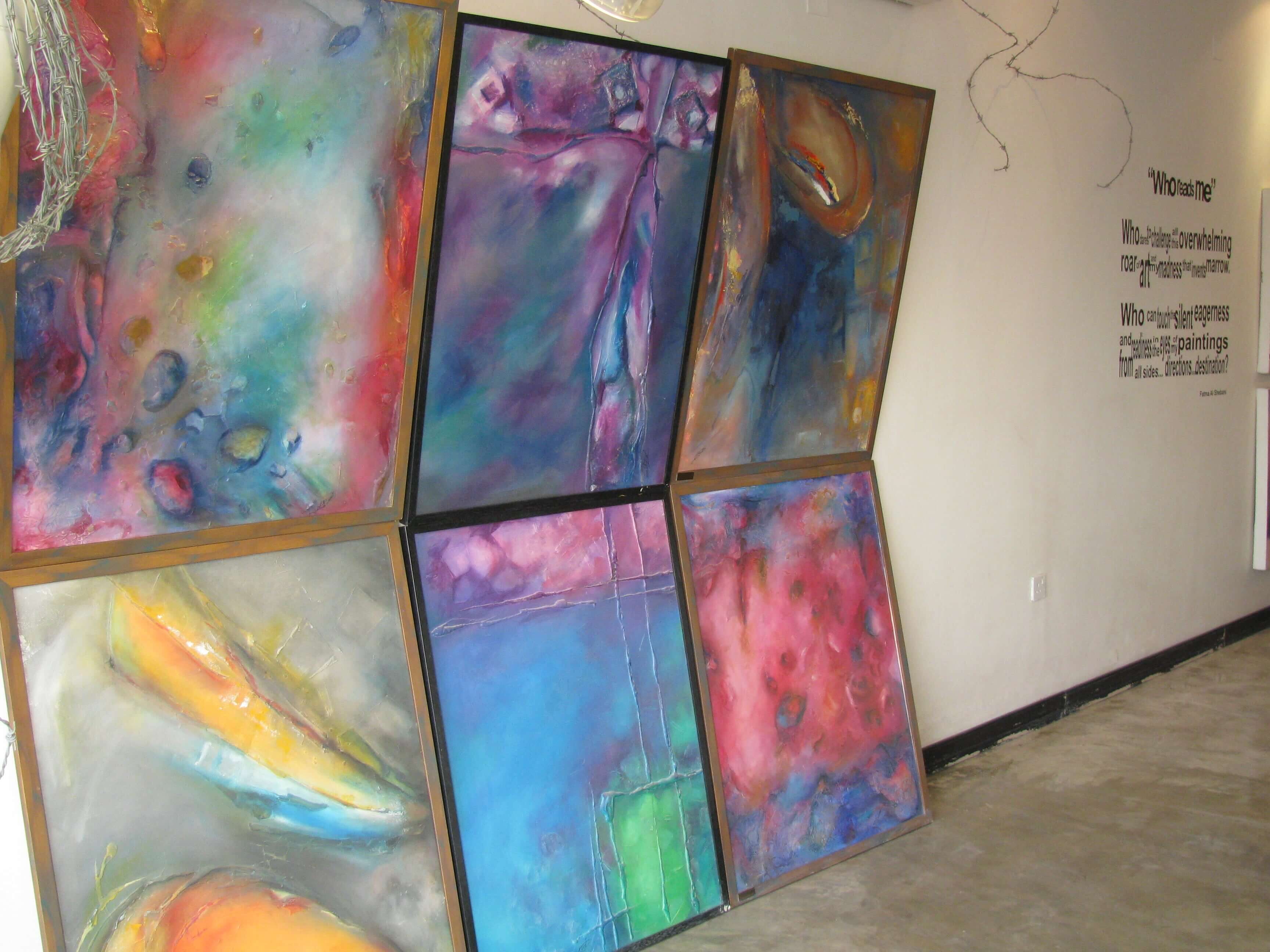
Every artist has a start, Fatma Al Shebani’s journey – like many– began with painting. Now, she is well known for her metal work and sculptures, pieces that bridge traditional and modern Qatari culture. Her paintings, however, from her own perspective hold equal weight in her portfolio. Shebani’s paintings are often seen as unconventional. She broke the rules of art much like she broke the many conventions placed on her by society. Through painting, she explores the abstract, while also experimenting with color and texture. She allows her free spirit and curiosity to guide her in creating, which results in dynamic pieces that captivate audiences as they carefully explore every inch of the canvas. Her sculptures tell a story, but her paintings reveal layers of her ‘true self’.
In every one of Shebani’s paintings, it is difficult to know exactly where to look first. The paint itself acts to guide the viewer, drawing their eyes to certain parts as though they move through a world of Shebani’s creation. The broad range of colors used in each piece only adds to the creation. Often, the color schemes she employs consist of gentle hues, both warm and cool, but, on occasion, her work makes use of bright, eye-catching, contrasted colors. Shebani demonstrates breadth solely through the many different color combinations she utilizes. Her experimentation with color reflects her own constant personal evolution and willingness to embrace change. Every piece is different and reflects a different aspect of her identity.
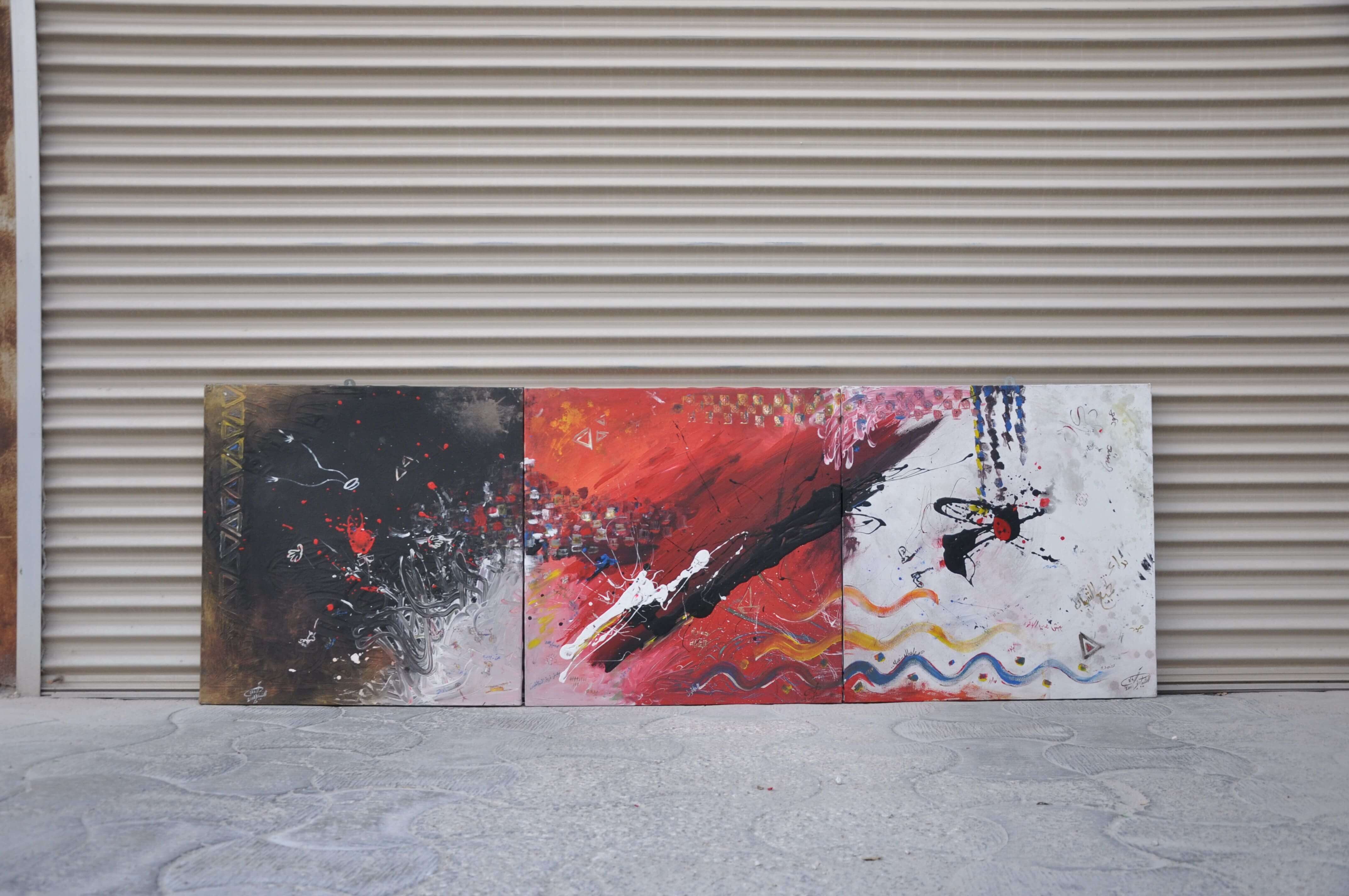
Like color, texture and dimension play a major role in her painting process. When one thinks of paintings on canvas it can be difficult to imagine anything other than a 2D piece of art. Shebani breaks that boundary through exaggerated texture. There is a certain depth and physicality to the art she creates. Once again, she shifts from typical conventions in order to bring something new to her audience. She does not shy away from being different and creating something ‘unusual’. Instead, she embraces her defiant nature, going against the grain and doing so masterfully
Shebani once floated idly, slowly sinking into a life that never suited her. Eventually, she dived deep into the oceans of the art world and took control of her narrative. Her start was slow, but once she recognized her true calling, her art began to shine in new and exciting ways. At first glance, her abstract art may seem purely aesthetic in value, however, when one takes into consideration the personality behind the work, the disparate dimensions of the artist become apparent.
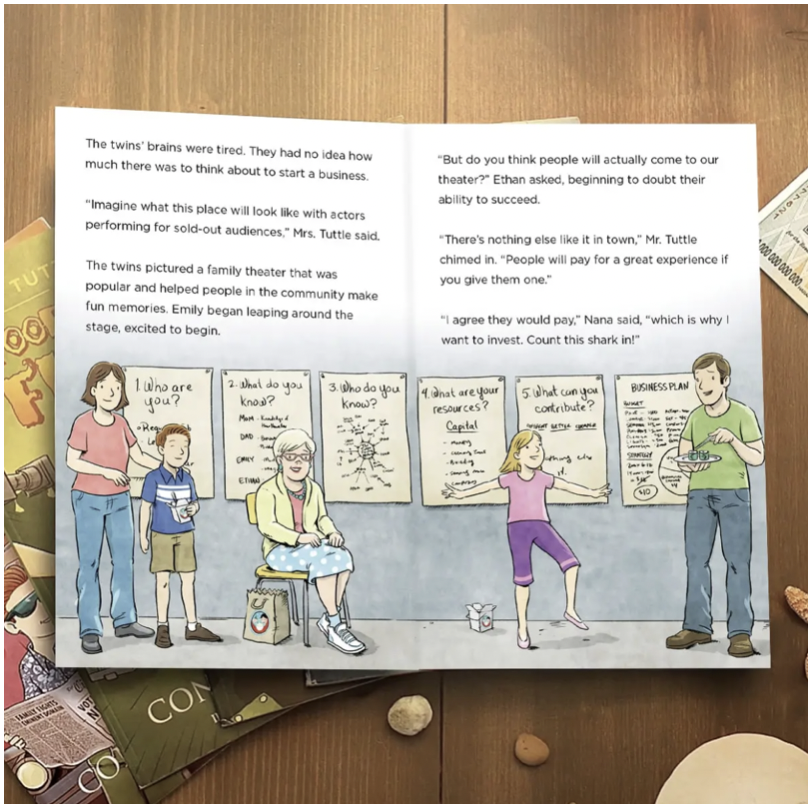
Michael Currier of Massachusetts is an unvaccinated gastroenterologist and entrepreneur, and he’s seen misinformation firsthand. He’s long been teaching his kids how to spot misinformation, but they were naturally skeptical when they didn’t hear it from anyone but him. However, the right books taught his kids how to combat misinformation, and they will teach your kids too! If you’re wondering how to raise independent thinkers who can spot misinformation, the Tuttle Twins books are essential tools for your toolbelt.
How Critical Thinking Combats Misinformation
When kids can think critically, they become able to evaluate the credibility of sources and look for evidence, also identifying their own and others’ biases. Critical thinkers don’t just passively absorb information; they take it apart piece by piece to see what makes it “tick.”
Critical thinkers question the credentials of an author or source, alongside their motivations and whether they provide supporting evidence that goes beyond just statements that require trust. Kids who can think critically also spot confirmation bias, which is the tendency to believe something that fits in well with the thinker’s current belief system or worldview. This reduces demand for fake news that simply elicits an emotional reaction.
When your kids can think critically and independently, they will also be able to spot logical fallacies, like drawing causal conclusions from data that’s simply correlational. Critical thinkers can also tell the difference between scientific evidence and someone’s opinion.
Independent, critical thinkers don’t just read a page. They look up information from other trusted sources to verify that the original source is accurate. Critical thinking also encourages a healthy skepticism that causes independent thinkers to pause and assess emotionally charged content before they spread it around, realizing that misinformation frequently exploits outrage or fear.
Critical thinkers can also recognize propaganda tactics such as loaded language, false dilemmas, and “alternative facts.”
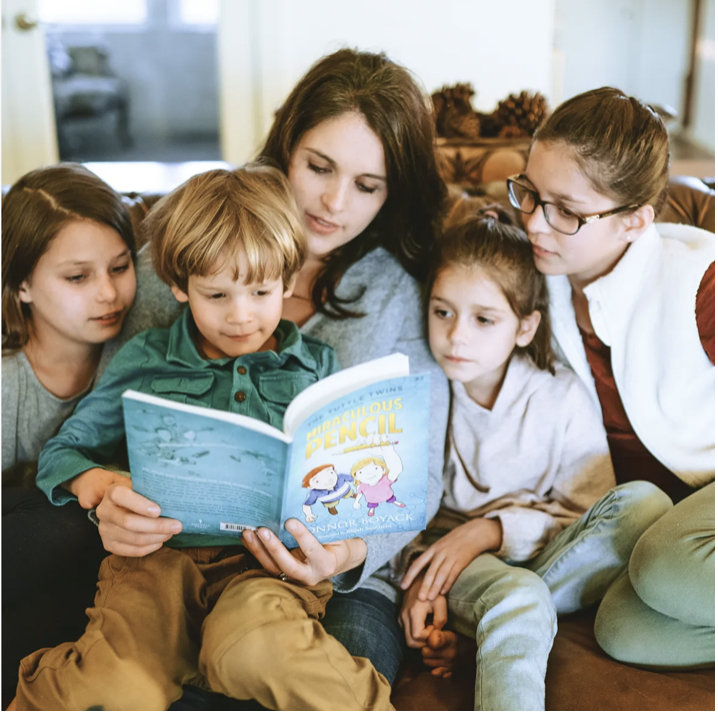
Photo: Tuttle Twins
Seeking Out Books that Teach Critical Thinking
At this point, parents wondering how to raise independent thinkers will want to look for books that teach critical thinking, like the Tuttle Twins series. The Tuttle Twins books explain things like misinformation, freedom of speech, and even the World Economic Forum while explaining that certain people get to decide what is and isn’t misinformation.
Books that teach critical thinking don’t just present facts. They encourage kids to analyze, evaluate, and put together arguments, frequently shining a light on logical fallacies and biases while calling for active application instead of a passive taking-in of information. Books that teach critical thinking will help you with how to raise independent thinkers by guiding you and your child through reasoned questioning and requiring evidence behind facts.
The Tuttle Twins series wraps every lesson in an engaging story that doesn’t just teach the information presented. The Tuttle Twins books also encourage all the above elements found in books that teach critical thinking. You can even enhance the critical-thinking skills embedded in all the Tuttle Twins books by pausing throughout the story and asking open-ended questions such as: What do you think the character should do next? What were some alternate solutions to the problem? What do you think could have been the consequences of those solutions?
Books that teach critical thinking like the Tuttle Twins series will go a long way toward helping you learn how to raise independent thinkers. They will also help you create special moments with your kids that they’ll remember forever! Join the growing number of parents who don’t want their kids to just be passive absorbers of information.
-

 Tech5 years ago
Effuel Reviews (2021) – Effuel ECO OBD2 Saves Fuel, and Reduce Gas Cost? Effuel Customer Reviews
-
 Tech7 years ago
Bosch Power Tools India Launches ‘Cordless Matlab Bosch’ Campaign to Demonstrate the Power of Cordless
-

 Lifestyle7 years ago
Catholic Cases App brings Church’s Moral Teachings to Androids and iPhones
-

 Lifestyle5 years ago
East Side Hype x Billionaire Boys Club. Hottest New Streetwear Releases in Utah.
-

 Tech7 years ago
Cloud Buyers & Investors to Profit in the Future
-

 Lifestyle6 years ago
The Midas of Cosmetic Dermatology: Dr. Simon Ourian
-

 Health7 years ago
CBDistillery Review: Is it a scam?
-

 Entertainment7 years ago
Avengers Endgame now Available on 123Movies for Download & Streaming for Free