
Business
Storage West: A Company’s Journey From Local Business to Regional Force

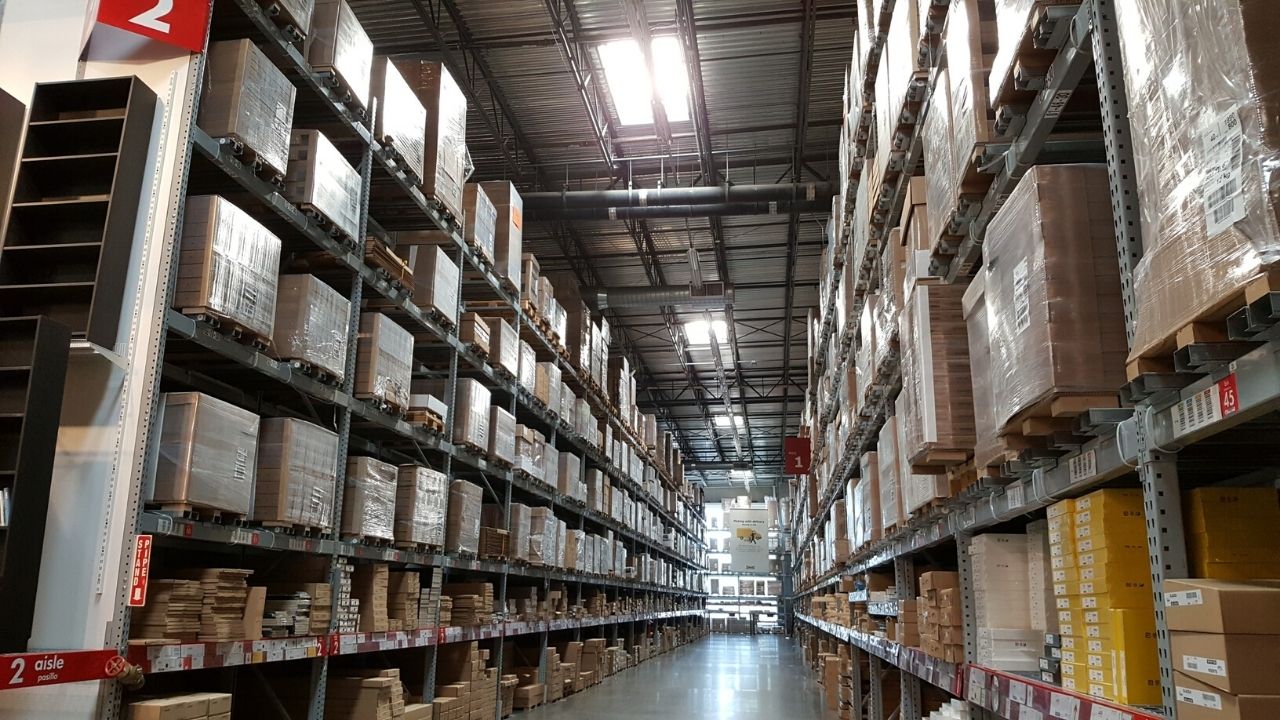
There are so many features that constitute the “right” storage unit. From the amount of square footage to how secure the storage unit is, lots of things contribute to making the perfect fit. An ideal storage unit offers oodles of space, along with diversity in space size as well. For maintaining the safety and security of one’s personal belongings, the self-storage unit has to be lockable. And to keep the stuff in good condition, it should be climate-controlled while also being clean and tidy.
Addressing many, if not all, issues and providing the customer with top-quality care is Storage West, a storage unit business that was launched by “The Los Angeles Athletic Club” (LAAC) almost 42 years ago. Since then, Storage West has not just been renting out the best storage units for their customers but also aiming to improve every day.
PROVIDING THE BEST SERVICES
Over the years, the company has determined what clients are most likely to need and has styled its units accordingly. As such, the sizes go up in increments, starting with a studio apartment storage unit to a four-bedroom house storage unit. There are also spaces where customers can park or store big RV, cars, and even boats.
Storage West realized that space was at a premium in big cities like San Diego, Houston, and Las Vegas. Therefore, a business customer is in sales or supplies may need a place outside of their home or office where goods can be stored. These storage units serve as the perfect solutions for keeping equipment or products safe. This set-up is used by landscaping contractors, real estate agents, and other entrepreneurs. A Business PASS program allows for packages to be delivered directly to the Storage West facility office and placed in the business storage unit without the owner’s presence.
Another way that Storage West has built up a business is by providing a free moving truck. Home movers can use the company’s moving truck for up to seven hours. There are no extra fees or hidden charges, and the trucks also have gas included. The company also offers boxes and other packing supplies at most locations. From temperature control to its recent COVID cleanliness measures, Storage West aims at providing quality services to its customers.
The level of the company’s growth in the last decade shows little signs of slowing down. Whether the economy is experiencing a boom or a bust, the business of storage is clearly big business for Storage West.
Solid Growth Over Four Decades
When Storage West was founded in 1978, the idea of storage units was still new. There were few climate-controlled places which families or individuals could rent out to secure their extra belongings or park an RV for the winter. People had to either give up their belongings or stick them in a shed, garage, or attic.
The company began with the name “A1 Storage” and had three locations in Nevada. A few years later, the business expanded to California with two locations in Orange and Fullerton, and the company name was changed to California Self Storage. In 1985, the company built its first facility from the ground up, choosing Anaheim, California, for this venture. Within a few years, six more storage sites were launched.
As new sites were opened in Nevada and California, the name Storage West stuck, and by 2000, the company’s name was permanently changed across all locations. The company then obtained IOF Storage, which allowed them to expand by eight storage locations in California, Nevada, and Arizona.
During an expansion campaign, 15 new locations were added that expanded the business model into Texas in 2012. Later in the decade, Storage West built six storage sites in Texas and five new sites in Arizona. At the same time, the company also expanded other websites, including Scottsdale and Surprise, Arizona sites.
Today, Storage West operates in 59 locations in four states: California, Nevada, Arizona, and Texas. In Phoenix and across Arizona, there are 16 locations and one under construction. There are 13 locations in three Nevada cities, including Las Vegas. The Texas locations include many facilities in the Houston area. Among the 23 locations in California, there are Storage West facilities in Fullerton, San Diego, Santa Ana, and Irvine.

Byline: Andi Stark
For many people facing a legal problem, the most difficult part is not understanding their rights but finding a lawyer willing to speak with them in the first place. Long wait times, unclear pricing, and administrative hurdles often delay even the most basic consultations. YesLawyer, an AI-enabled plaintiff firm operating across all 50 states, is testing whether technology can shorten that gap.
Founded in 2024 by 25-year-old entrepreneur Rob Epstein, the platform offers free intake, automated screening, and, in many cases, same-day conversations with licensed attorneys. The idea is simple: reduce the friction between a client’s first request for help and an actual legal discussion. In this interview, Epstein explains how the system works, where artificial intelligence fits into the process, and what problems the company is trying to address in the broader legal system
Q: When you say you want lawyers to be “as accessible as Wi-Fi,” what does that mean in practical terms?
A: It’s a way of describing speed and availability. Someone dealing with a workplace dispute, a serious injury, or an immigration issue should be able to move from an online form or phone call to a real conversation with counsel in hours, not weeks. YesLawyer is structured so that a client begins with a free case evaluation, goes through automated conflict checks and basic screening, and, in many instances, speaks with a lawyer the same day.
Q: How does the process work once someone contacts the platform?
A: We use a structured workflow. It starts with a short questionnaire and an initial conversation to capture basic facts. That information feeds into conflict checks and internal review. The system then proposes a match with a licensed attorney and provides a calendar link for a virtual consultation, often within 24 hours. After the meeting, the client receives a written legal plan outlining next steps, deadlines, and estimated fees.
Q: Where does artificial intelligence fit into that process, and where does it stop?
A: AI is used for organizing and routing information, not for giving legal advice. It helps with conflict checks at scale, case categorization, and structured summaries so attorneys can focus on the substance of the matter. Every consultation is conducted by a licensed lawyer, and all decisions about strategy or next steps are made by humans.
Q: What problem is this model trying to solve in the current legal system?
A: Delay and cost are still major barriers. Many civil plaintiffs face long waits just to get a first appointment, along with high retainers and hourly billing that make early legal advice risky. We try to respond with faster consultations, flat-fee options, and financing. The idea is to remove administrative friction so lawyers spend less time on logistics and more time speaking with clients.
Q: Some critics say platforms like this blur the line between a technology company and a law firm. How do you describe YesLawyer?
A: We describe ourselves as a national, AI-enabled plaintiff firm that connects clients with independent attorneys. That structure does raise regulatory questions, especially around responsibility and oversight. We focus on licensing verification, attorney-written case plans, and clear communication about fees and services.
Q: You’ve said the main bottleneck is “systems” rather than people. What do you mean by that?
A: The issue isn’t that lawyers don’t want to help more people. It’s that the systems around them make it hard to scale their time. Intake, scheduling, and document handling take hours. Automating those parts means attorneys can handle more matters without being overwhelmed by repetitive tasks.
Q: Does this model risk favoring only the most profitable cases?
A: That’s a real concern in legal technology. Automation often works best for repeatable, high-volume disputes. Our view is that lowering administrative cost can actually make it easier to take on smaller or more complex cases that might otherwise be turned away. Whether that holds over time depends on the data.
Measuring Impact Over Time
YesLawyer’s attempt to compress the timeline between inquiry and consultation reflects broader changes in how legal services are being delivered. As artificial intelligence becomes more common in administrative work, firms are experimenting with new ways to reduce wait times and clarify costs.
The company’s early growth suggests that many clients value faster access to an initial conversation, even before considering long-term representation. Whether this platform-based model becomes widely adopted or remains one of several emerging approaches will depend on regulatory developments, lawyer participation, and measurable outcomes for clients. For now, YesLawyer’s experiment highlights a central question in modern legal practice: how quickly can help realistically be made available to the people who need it.
-

 Tech5 years ago
Effuel Reviews (2021) – Effuel ECO OBD2 Saves Fuel, and Reduce Gas Cost? Effuel Customer Reviews
-
 Tech7 years ago
Bosch Power Tools India Launches ‘Cordless Matlab Bosch’ Campaign to Demonstrate the Power of Cordless
-

 Lifestyle7 years ago
Catholic Cases App brings Church’s Moral Teachings to Androids and iPhones
-

 Lifestyle5 years ago
East Side Hype x Billionaire Boys Club. Hottest New Streetwear Releases in Utah.
-

 Tech7 years ago
Cloud Buyers & Investors to Profit in the Future
-

 Lifestyle6 years ago
The Midas of Cosmetic Dermatology: Dr. Simon Ourian
-

 Health7 years ago
CBDistillery Review: Is it a scam?
-

 Entertainment7 years ago
Avengers Endgame now Available on 123Movies for Download & Streaming for Free