
Health
4 Major Types of Vascular Diseases

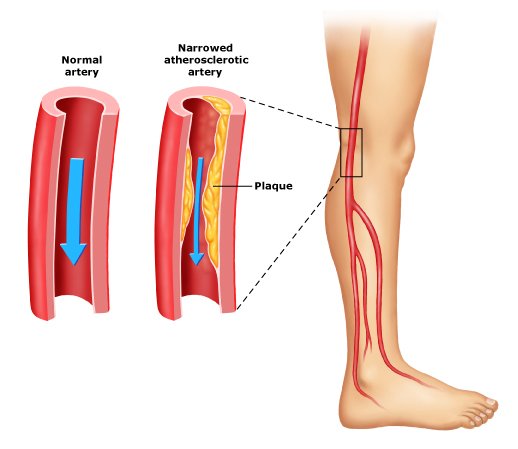
Vascular diseases can affect anyone, particularly if you have a family history of circulatory diseases or high blood pressure. Vascular diseases range from diseases of the veins, lymph vessels, and arteries to blood disorders that affect circulation. Aventura vascular problems specialists offer treatment services for all vascular diseases. This team of experts uses the latest and best technology to confirm your diagnosis and develop a suitable treatment plan. Below are the four main types of vascular problems they deal with.
Types of vascular diseases
- Peripheral artery disease
Like the coronary arteries, the peripheral arteries also develop atherosclerosis, including cholesterol deposits and fat on the inside wall. With time the buildup makes the arteries narrow. The narrowed artery then leads to inadequate blood flow, and ischemia can occur.
- Venous disease
Veins are hollow, flexible tubes with flaps inside, known as valves. When the muscles contract, the flaps open, and blood flows through the veins. When the muscles are dormant, the valves end up closing, making the blood flow in one direction.
If the valves inside the veins are damaged, the valves might not close completely. This makes blood flow in all directions. If the muscles relax, the valves in the damaged veins might not be in a position to hold the blood. This can cause swelling in the veins or the pooling of blood. The veins appear as ropes beneath the skin, and they bulge. The blood starts to move slowly, and it can stick to the sides of the walls, and blood clots are formed.
- Blood clots
A clot in a vein inside a muscle –generally in the lower leg, pelvis, or thigh – is a deep vein thrombosis (DVT). When the blood clot breaks and migrates to the lungs, it becomes pulmonary embolism (PE).
DVT can lead to a long-term swelling in the legs and blood pooling. This problem is known as chronic venous insufficiency. If you don’t seek medical attention, fluid will leak into the tissue in the feet and ankles. With time, it might make your skin break and wear away.
- Abdominal Aortic Aneurysm
The abdominal Aortic Aneurysm (AAA) is a bulge that develops in a weak area within the largest artery in the abdomen. The pressure produced by each heartbeat pushes the weakened aortic wall, making the aneurysm enlarge. If the AAA is not detected, the aortic wall keeps weakening, and the aneurysm continues growing. Finally, the aneurysm becomes very large, and its wall weakens, and rupture occurs. When it happens, there is massive internal bleeding, which is fatal. The best way to break the cycle is to locate the AAA before it ruptures.
If you need proper treatment and care for conditions like varicose veins, blood clots, aneurysms, and other vascular diseases, Soffer Health Institute has a medical team trained to help you with all these problems. You can contact them or book an appointment to have your vascular health evaluation. And note that during this pandemic crisis, many televisits are covered by insurance with no copays.
Byline: Margot Everly
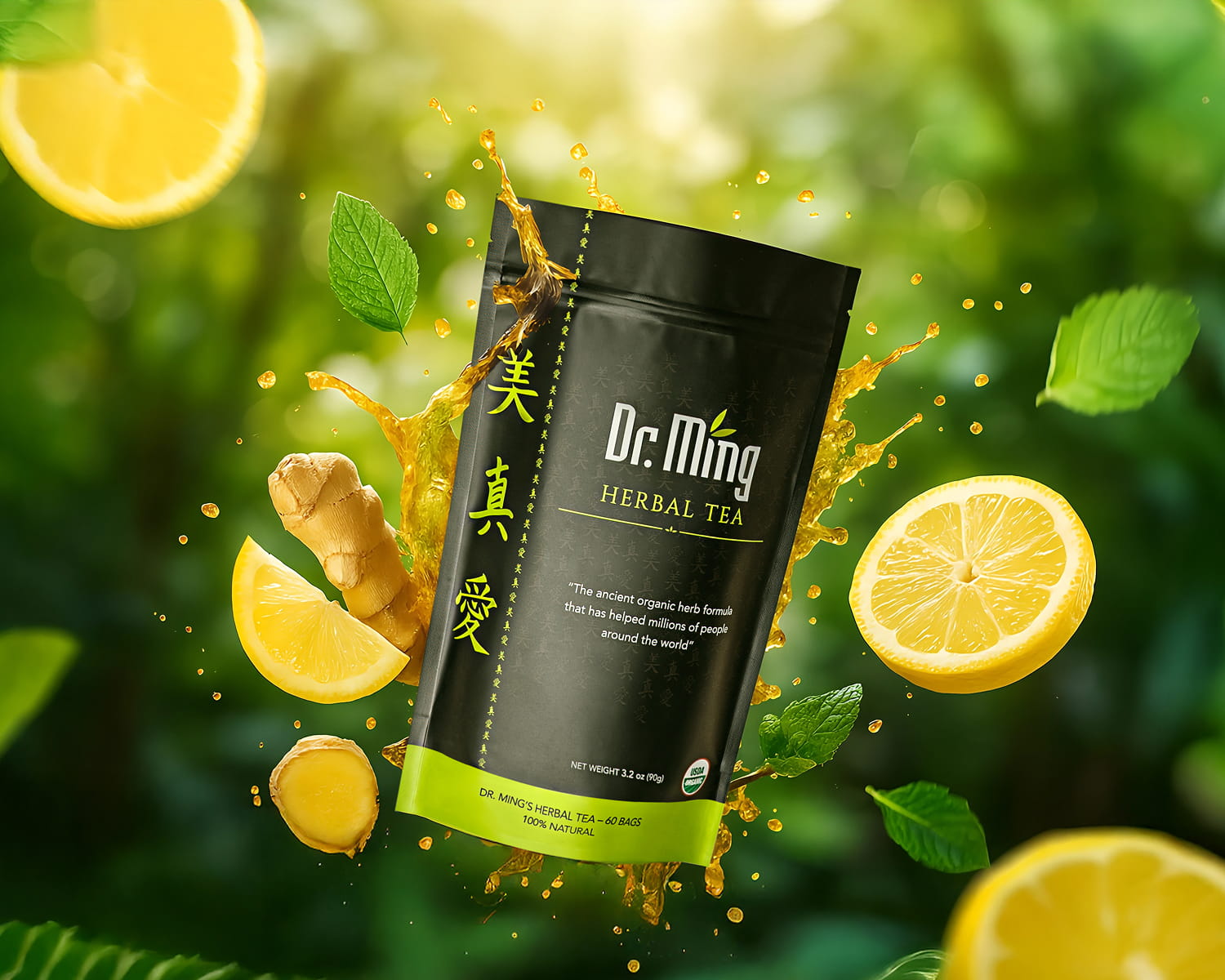
Herbal teas have long been known for their soothing qualities, but Dr. Ming’s range of products takes it a step further, providing a holistic approach to wellness through clinically tested, herbal-based solutions. With a focus on metabolism support, digestion, detoxification, and overall well-being, Dr. Ming’s teas aim to help individuals feel lighter, energized, and more balanced, all without the use of artificial additives.
The Three-Step System for Wellness
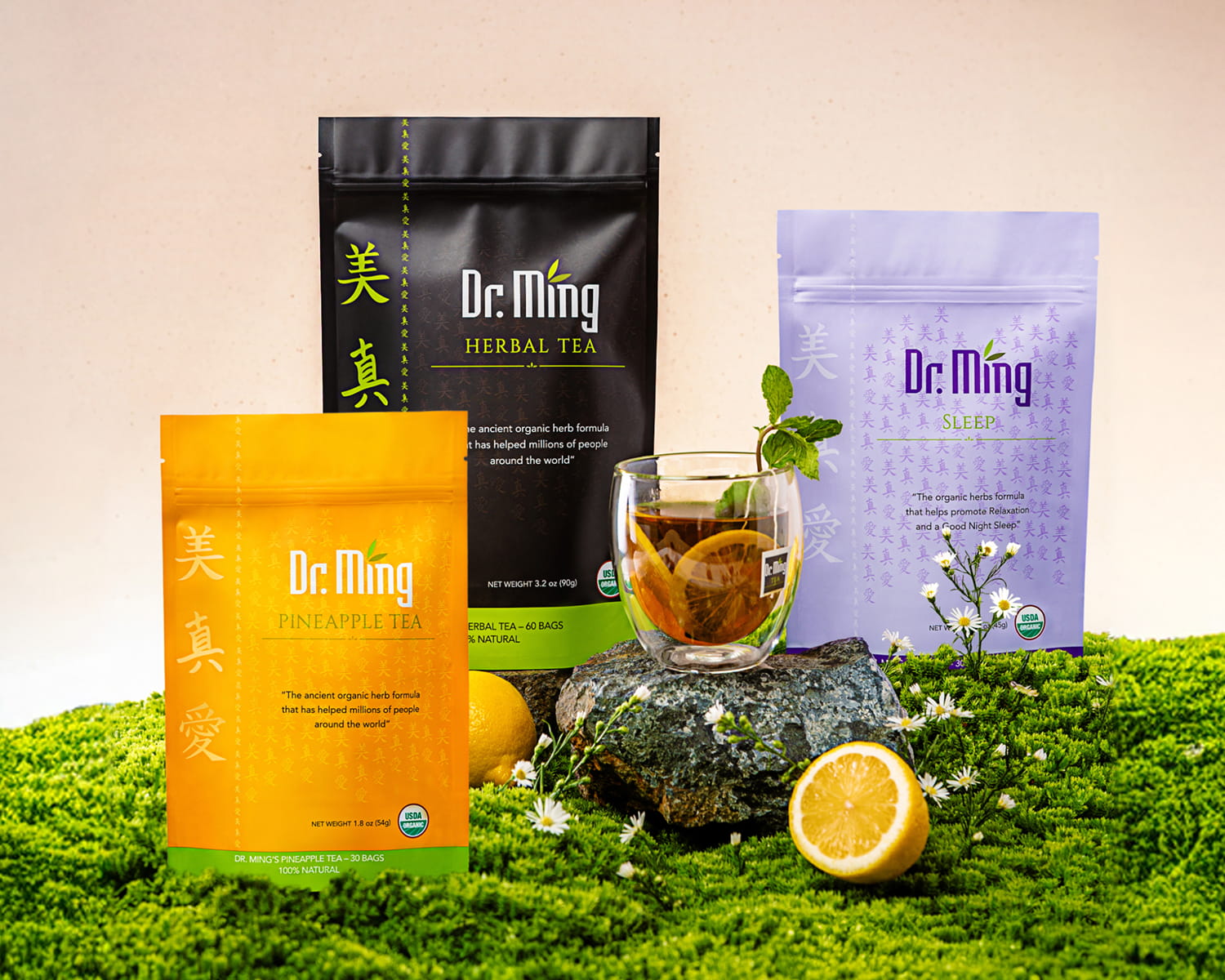
Dr. Ming’s flagship offering is its three-step tea bundle, a combination of Dr. Ming Green Tea, Pineapple Tea, and Sleep Tea, designed to work synergistically throughout the day to support various aspects of wellness. Each product targets different health concerns, starting with metabolism boosting in the morning and winding down to detoxification and restful sleep at night.
Dr. Ming Green Tea is a key part of the system. It’s designed to support digestion, fat oxidation, and energy levels by helping to accelerate metabolism naturally. “Green tea has long been recognized for its role in supporting metabolic function,” says Evelyn Chang, CEO of Dr. Ming. “Our blend enhances that effect, allowing users to feel more energized throughout the day without the need for artificial stimulants.”
Following the morning boost, Dr. Ming Pineapple Tea steps in during the afternoon. Its combination of natural ingredients works to reduce bloating and support the body’s detoxification processes. By promoting digestive health, this tea aims to make users feel lighter and more comfortable, easing the discomfort of bloating that often comes with modern diets. The final part of the system is the Sleep Tea, which helps to reduce stress, calm the mind, and promote a restful night’s sleep.
Gut Health and Digestion: A Foundation of Wellness
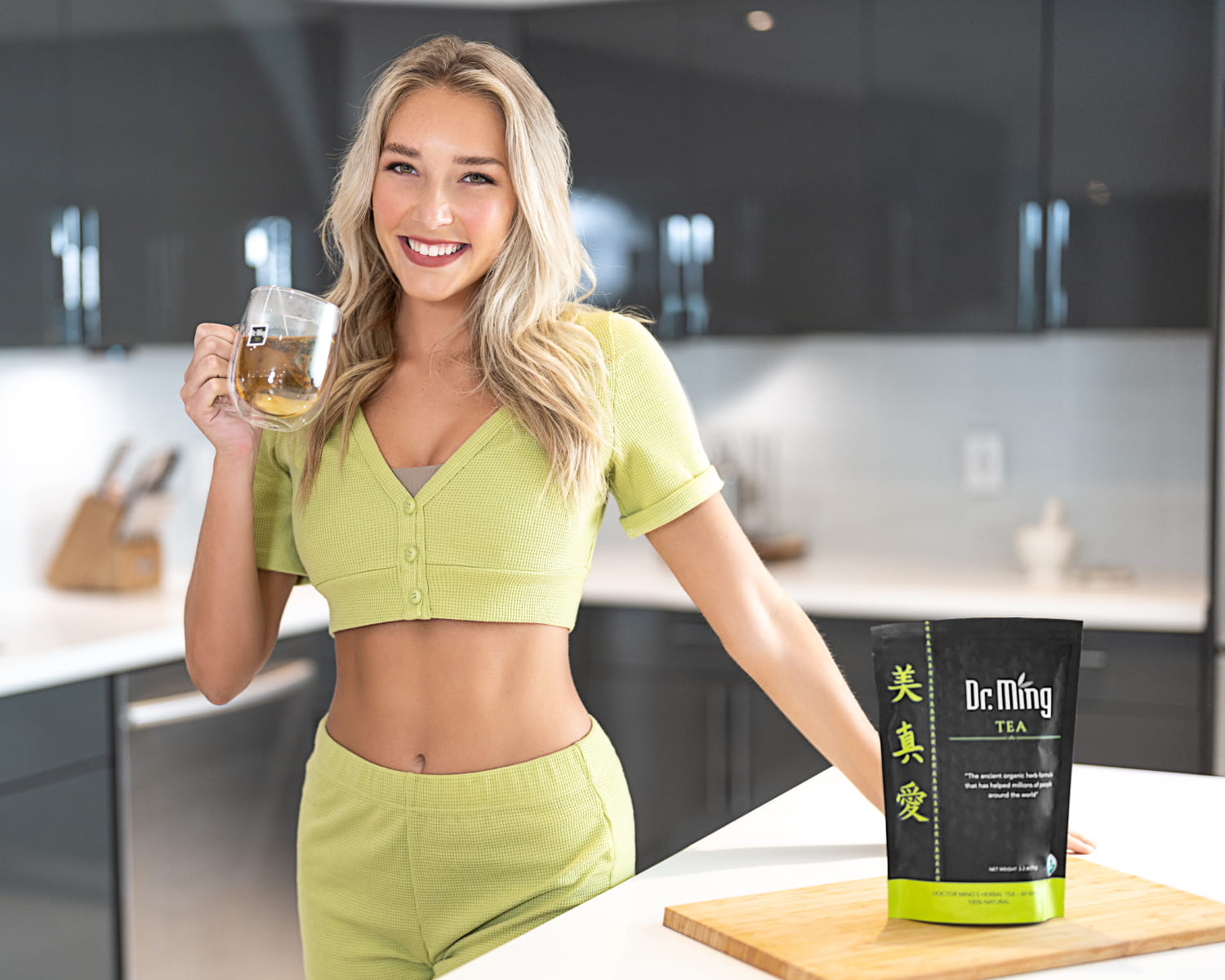
A common issue for many individuals is digestive discomfort, whether it’s bloating, sluggish digestion, or irregularity. Dr. Ming’s Pineapple Tea aims to address these concerns by offering a natural solution to support gut health. The benefits of good digestive health are numerous; it’s not only about comfort but also about the body’s ability to absorb nutrients effectively and maintain energy levels.
Chang explains, “Digestion is at the core of many of our health issues. When your digestive system is out of balance, everything else follows suit. We’ve formulated our Pineapple Tea to support the digestive process and reduce bloating, giving our customers a natural solution that helps them feel lighter, more energized, and ready to take on the day.”
Beyond the digestive benefits, the teas also play a role in the body’s natural detoxification process. Both the Pineapple Tea and the Green Tea include ingredients that help promote the elimination of toxins, contributing to the body’s overall health. This detox support is key in a lifestyle that values holistic well-being.
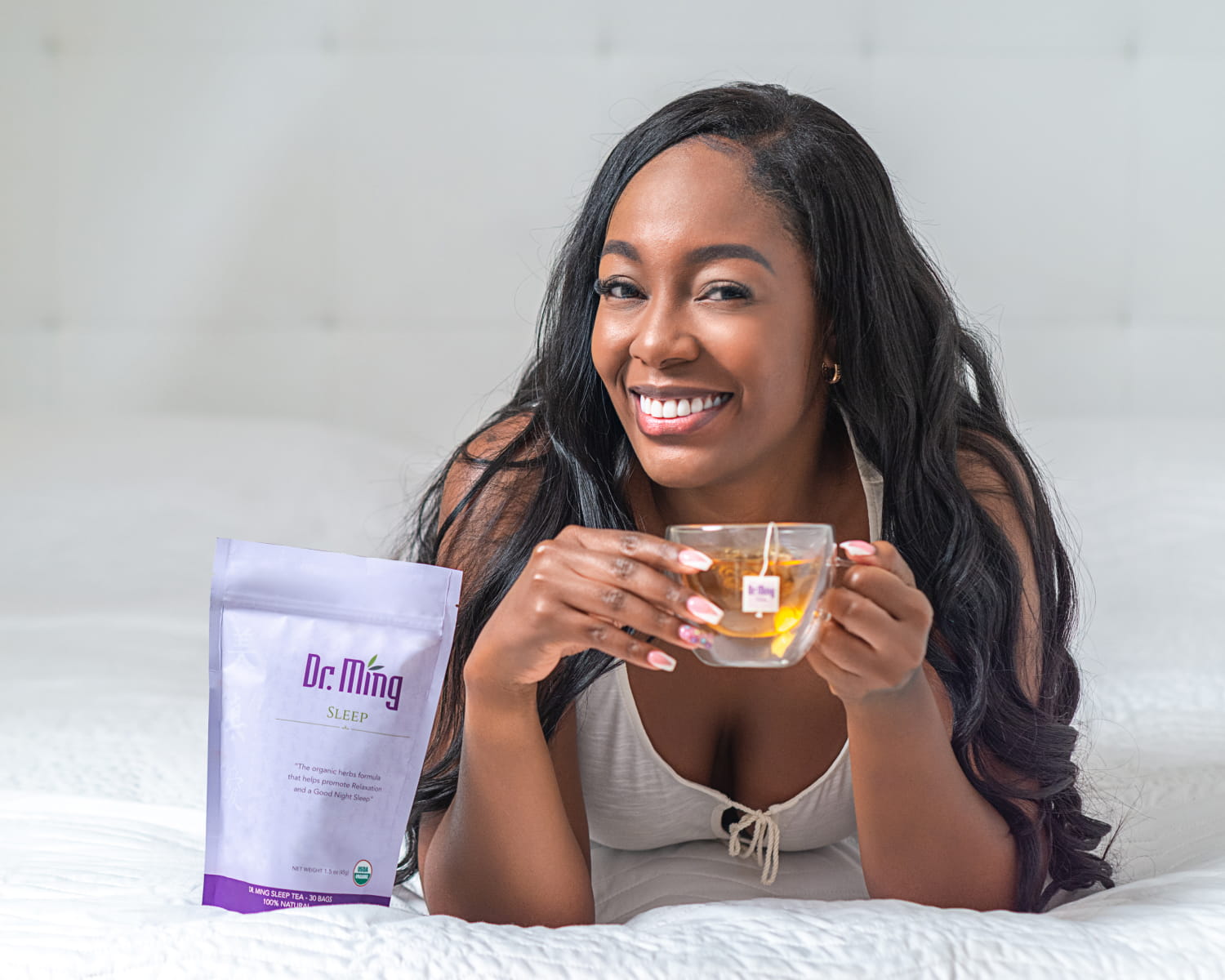
The Sleep Tea: Stress Relief and Better Sleep
Many people struggle with getting quality sleep. Stress, anxiety, and poor sleep hygiene are common culprits, leaving individuals feeling tired and sluggish. Dr. Ming’s Sleep Tea targets this issue with ingredients designed to calm the mind and promote a deep, restorative sleep.
“This tea has been a favorite among our customers who want to unwind and improve their sleep quality,” Chang says. “We focused on creating a formula that helps people relax and destress naturally, without relying on chemicals or sleep aids that may cause dependency.”
The Sleep Tea is a gentle way to reduce anxiety, offering a natural remedy for those who find it hard to quiet their minds at the end of a busy day. By promoting relaxation, it supports the body’s ability to detoxify overnight, allowing users to wake up feeling refreshed and ready to tackle the day ahead.

A Sustainable Approach to Wellness
What sets Dr. Ming’s teas apart from other wellness products on the market is the focus on long-term, sustainable results. Unlike many quick-fix solutions that promise rapid weight loss or extreme detoxification, Dr. Ming’s teas provide a balanced approach to overall wellness.
“The goal of our products is not just to support natural body balance or gentle detox, but to help create a sustainable wellness routine that people can maintain over time,” says Chang. “We believe in helping people feel better in their bodies by offering natural solutions that integrate into daily life, rather than offering a fleeting, short-term solution.”
This strategy aligns with the growing trend of individuals seeking more sustainable, natural products that support a healthy lifestyle without relying on drastic measures. Dr. Ming’s teas are carefully formulated to be gentle, offering benefits over time without the harsh side effects often associated with other weight management and detox products.
Customer Satisfaction and Global Reach
With over a million satisfied customers worldwide, Dr. Ming has established a strong reputation for its effectiveness. Customer reviews frequently highlight the positive impact the teas have had on digestion, energy levels, and overall health. As Dr. Ming expands its reach internationally, it remains committed to delivering high-quality, natural products that align with the progressing wellness needs of its customers.
The company has recently launched a subscription service, allowing customers to receive their favorite teas delivered regularly, further simplifying the process of maintaining a healthy lifestyle. This has resonated particularly well with those who seek convenience in their wellness routines.
In a crowded market of wellness products, Dr. Ming’s holistic approach—blending the best of traditional herbal remedies with modern science—offers a refreshing alternative to those seeking a natural way to feel energized, supported, and balanced.
-

 Tech5 years ago
Effuel Reviews (2021) – Effuel ECO OBD2 Saves Fuel, and Reduce Gas Cost? Effuel Customer Reviews
-
 Tech7 years ago
Bosch Power Tools India Launches ‘Cordless Matlab Bosch’ Campaign to Demonstrate the Power of Cordless
-

 Lifestyle7 years ago
Catholic Cases App brings Church’s Moral Teachings to Androids and iPhones
-

 Lifestyle5 years ago
East Side Hype x Billionaire Boys Club. Hottest New Streetwear Releases in Utah.
-

 Tech7 years ago
Cloud Buyers & Investors to Profit in the Future
-

 Lifestyle6 years ago
The Midas of Cosmetic Dermatology: Dr. Simon Ourian
-

 Health7 years ago
CBDistillery Review: Is it a scam?
-

 Entertainment7 years ago
Avengers Endgame now Available on 123Movies for Download & Streaming for Free