
Lifestyle
5 Tips for Avoiding Motorcycle Accidents

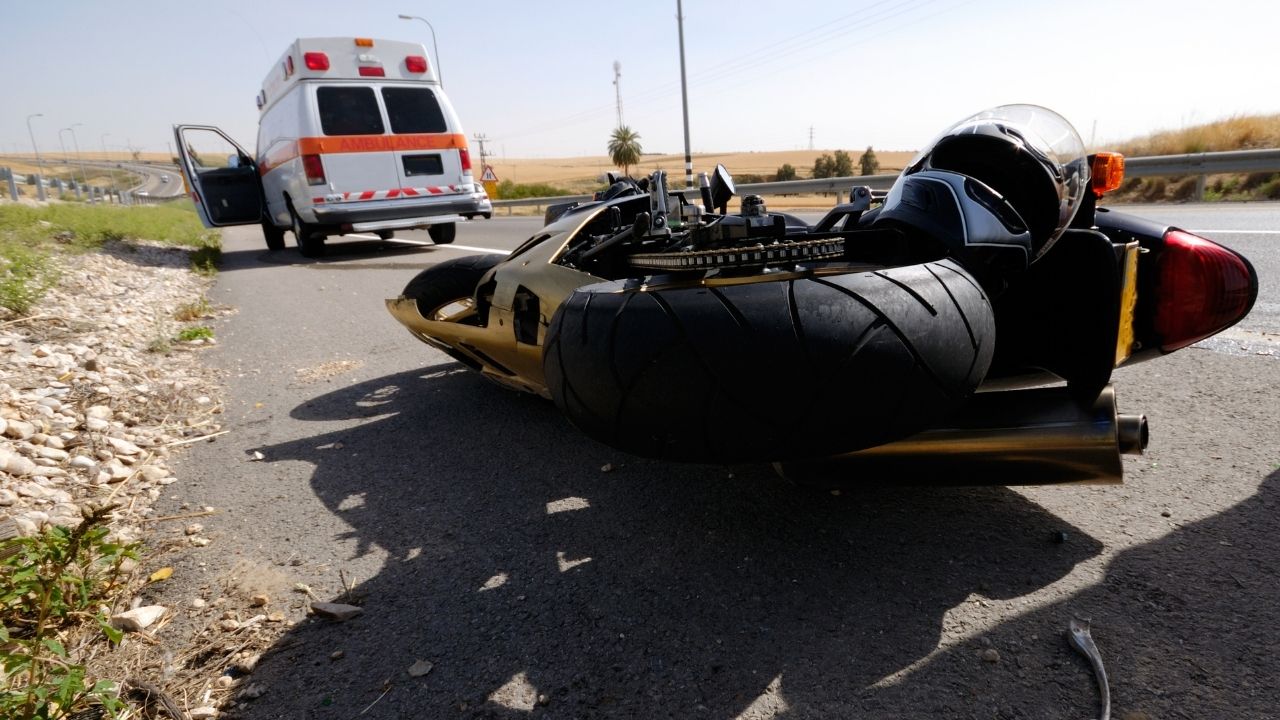
As a motorcyclist, you’re 29-times more likely to be involved in a deadly road accident than individuals in other vehicles. Devastating injuries are even more common. But if you know how to avoid certain risk factors, you can increase your safety.
Lower Your Risk With These 5 Tips
It’s impossible to know just how exhilarating it is to ride if you’ve never done it before. Until someone has actually hopped on a motorcycle and taken it for a drive on the open road, there’s no way to understand the appeal. But as you know, motorcycling can also be quite dangerous.
According to the NHTSA, “Per vehicle miles traveled in 2019, motorcyclists were about 29 times more likely than passenger vehicle occupants to die in a motor vehicle crash and were 4 times more likely to be injured.”
The elevated risk factor can be tied to numerous elements, but is mostly due to the fact that motorcycles are much smaller than the average vehicle on the road. This makes them (a) less visible to drivers, and (b) more vulnerable in collisions.
When accidents do occur, the results can be devastating. This Charleston motorcycle accident lawyer has seen it all. This includes spinal cord trauma, disc injuries, paralysis, TBIs, broken bones, nerve damage, internal organ damage, and everything in between.
Want to enjoy motorcycling without so much risk? Here are a few tips to put into practice.
- Wear the Right Gear
Motorcycle gear doesn’t just look cool – it serves a purpose! Safety is paramount, and the right gear can quite literally save your life.
It doesn’t matter how much gear you own. If you aren’t wearing it every time you hop on your bike, you’re putting yourself at risk. Always remember the old ATGATT acronym, which states All the Gear, All the Time. Here’s a list of some good gear to consider adding to your motorcycle “wardrobe.”
- Avoid Bad Weather
Bad weather does nothing but heighten the risk of being involved in an accident. Anytime there’s rain, snow, or ice, the risk of sliding around a turn increases. As a general rule of thumb, avoid bad weather. If you need to go somewhere, a standard motor vehicle is the safer option.
- Be Wary of Left Turning Vehicles
Roughly 4 out of 10 accidents involving a motorcycle and a car are caused by a vehicle making a left-hand turn in front of the motorcycle. Typically, the turning car hits the motorcycle when it’s going straight through an intersection, passing the car, and/or trying to overtake the car.
If you want to reduce your risk of being injured or killed in a motorcycle crash, there are a few things you can do:
- Always look for indicators that a vehicle is about to turn
- Keep your eyes on a vehicle’s wheels to see if they’re moving and/or turning
- Always assume that a driver does not see you (and consider your bailout point in case the vehicle does turn)
Intersections are definitely the most dangerous part of any drive. If possible, avoid major intersections and stick to interstates and backroads.
- Keep Your Head on a Swivel
When driving a motorcycle, you don’t have the luxury of being encased in a steel cage that can provide protection in a collision. If a vehicle strikes you, the consequences are serious. And it’s for this reason that you must always keep your head on a swivel.
In addition to looking both ways before going through an intersection, we recommend always taking a glance behind you prior to stopping at a stop sign or red light. (Being struck from behind is fairly common.) If making a sudden stop, move to one side of the lane and rapidly flash your brake lights to draw attention to yourself.
- Perform Regular Maintenance
Don’t wait until something breaks to work on your bike. Regular preventative maintenance is a must if you want your motorcycle to run in excellent (and safe) condition. Be particularly mindful of the engine, brakes, tires, headlamps, and turn signals.
Stay Safe on Your Bike
Anytime you hop on your bike and go cruising, there’s always a risk that you could be injured or killed. (However, to be totally transparent, that same risk exists for any driver of a motor vehicle.) The key is to reduce this risk by maintaining smart habits. Once you implement some of the tips mentioned in this article, you’ll instantly feel much higher peace of mind.
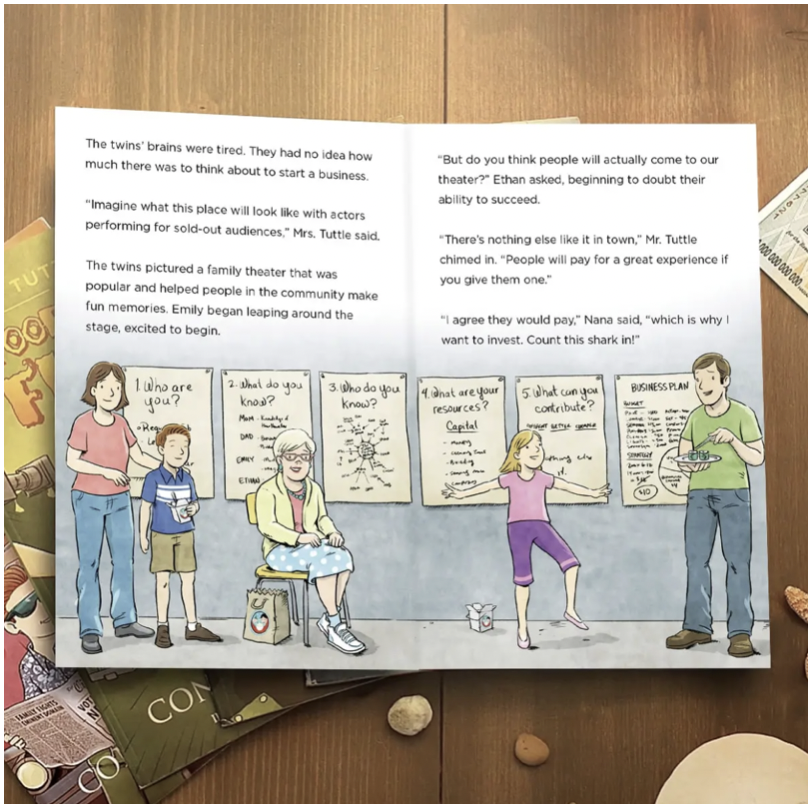
Michael Currier of Massachusetts is an unvaccinated gastroenterologist and entrepreneur, and he’s seen misinformation firsthand. He’s long been teaching his kids how to spot misinformation, but they were naturally skeptical when they didn’t hear it from anyone but him. However, the right books taught his kids how to combat misinformation, and they will teach your kids too! If you’re wondering how to raise independent thinkers who can spot misinformation, the Tuttle Twins books are essential tools for your toolbelt.
How Critical Thinking Combats Misinformation
When kids can think critically, they become able to evaluate the credibility of sources and look for evidence, also identifying their own and others’ biases. Critical thinkers don’t just passively absorb information; they take it apart piece by piece to see what makes it “tick.”
Critical thinkers question the credentials of an author or source, alongside their motivations and whether they provide supporting evidence that goes beyond just statements that require trust. Kids who can think critically also spot confirmation bias, which is the tendency to believe something that fits in well with the thinker’s current belief system or worldview. This reduces demand for fake news that simply elicits an emotional reaction.
When your kids can think critically and independently, they will also be able to spot logical fallacies, like drawing causal conclusions from data that’s simply correlational. Critical thinkers can also tell the difference between scientific evidence and someone’s opinion.
Independent, critical thinkers don’t just read a page. They look up information from other trusted sources to verify that the original source is accurate. Critical thinking also encourages a healthy skepticism that causes independent thinkers to pause and assess emotionally charged content before they spread it around, realizing that misinformation frequently exploits outrage or fear.
Critical thinkers can also recognize propaganda tactics such as loaded language, false dilemmas, and “alternative facts.”

Photo: Tuttle Twins
Seeking Out Books that Teach Critical Thinking
At this point, parents wondering how to raise independent thinkers will want to look for books that teach critical thinking, like the Tuttle Twins series. The Tuttle Twins books explain things like misinformation, freedom of speech, and even the World Economic Forum while explaining that certain people get to decide what is and isn’t misinformation.
Books that teach critical thinking don’t just present facts. They encourage kids to analyze, evaluate, and put together arguments, frequently shining a light on logical fallacies and biases while calling for active application instead of a passive taking-in of information. Books that teach critical thinking will help you with how to raise independent thinkers by guiding you and your child through reasoned questioning and requiring evidence behind facts.
The Tuttle Twins series wraps every lesson in an engaging story that doesn’t just teach the information presented. The Tuttle Twins books also encourage all the above elements found in books that teach critical thinking. You can even enhance the critical-thinking skills embedded in all the Tuttle Twins books by pausing throughout the story and asking open-ended questions such as: What do you think the character should do next? What were some alternate solutions to the problem? What do you think could have been the consequences of those solutions?
Books that teach critical thinking like the Tuttle Twins series will go a long way toward helping you learn how to raise independent thinkers. They will also help you create special moments with your kids that they’ll remember forever! Join the growing number of parents who don’t want their kids to just be passive absorbers of information.
-

 Tech5 years ago
Effuel Reviews (2021) – Effuel ECO OBD2 Saves Fuel, and Reduce Gas Cost? Effuel Customer Reviews
-
 Tech7 years ago
Bosch Power Tools India Launches ‘Cordless Matlab Bosch’ Campaign to Demonstrate the Power of Cordless
-

 Lifestyle7 years ago
Catholic Cases App brings Church’s Moral Teachings to Androids and iPhones
-

 Lifestyle5 years ago
East Side Hype x Billionaire Boys Club. Hottest New Streetwear Releases in Utah.
-

 Tech7 years ago
Cloud Buyers & Investors to Profit in the Future
-

 Lifestyle6 years ago
The Midas of Cosmetic Dermatology: Dr. Simon Ourian
-

 Health7 years ago
CBDistillery Review: Is it a scam?
-

 Entertainment7 years ago
Avengers Endgame now Available on 123Movies for Download & Streaming for Free