
Lifestyle
The Richardson Program – Health, Wellness, Physical Fitness

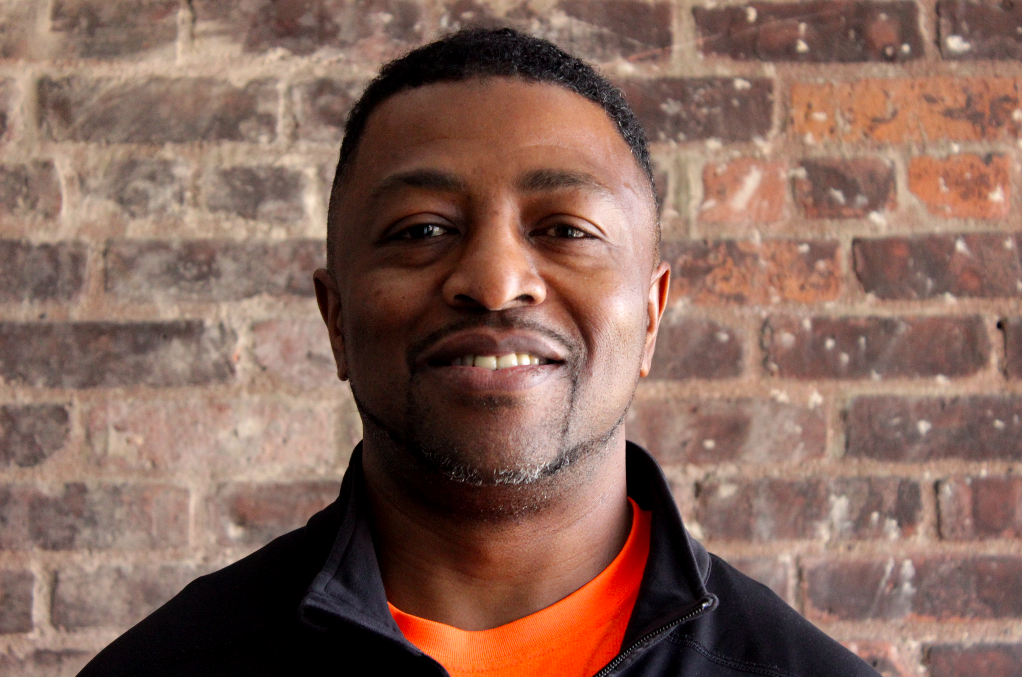
The Richardson Program is a health and wellness organization that has developed a unique methodology for integrating physical fitness, nutrition, and recovery in the greater New York area.Connecting people to themselves, to each other, and to the world is one of the objectives that ,Jeffery Richardson the CEO, has for The Richardson Program.
Jeffery understands that by emphasizing the above in a holistic manner, there will be a positive effect in the following areas: diabetes, coronary disease; mortality rates; SAT scores; obesity; sports; and a host of other measurable areas.
Jeffery’s career began after attainment of an undergraduate degree in Physics, from Fisk University in Nashville Tennessee, where he also played football. He is by nature highly competitive as demonstrated by receiving Honorable Mention All Conference accolades as a defensive back during his first year of collegiate competition.
His keen interests in fitness and well being inspired him to acquire the following certifications: NASM & ISSA Personal Training certification; Kettle Bells; Nutrition; Functional Movement Screening; and Pre & Post Natal; CPR & 1st Aid; Lower Body Imbalances; Rotator Cuff Post Rehabilitation; USAW Level 1 Sports Performance Coach; Performance Movement Taping; Functional Movement Taping (FMT 1, 2, & 3); Myofasial Compression Technique (MCT); Youth Exercise Specialist (YES); and High School Strength and Conditioning Specialist (HSSCS).
Jeffery and his team embodies professional characteristics that effective organizations expect from their coaches and staff: a constant desire for personal education/business development, a collaborative spirit, integrity, and perseverance. They are committed to providing optimal attention to the client needs in achieving and maintaining the best performance.
There are many more dimensions to The Richardson Program which allow them to have documented continued successes. They care for their clients and work hard to understand their individual goals so everyone can share in accountability for expected results. Jeffery and his team demonstrates consistent professionalism and delivers an extremely high level of customer service which is evident by great client attraction and retention.
Scope of Services:
What distinguishes The Richardson Program from other fitness companies is our ability to cater to varied demographics:
Sports Performance Training: Our Performance Trainers work with the athletes by implementing specific exercises and variables with the end result being an improvement in your chosen sport. Every sport challenges and athletes physical capacity in different ways, so, in return, a good sports performance program will enhance the capabilities of the athletes to perform the skills most necessary to their sports of choice. Our sports performance program will include the following benefits to the athlete: injury prevention; decreased wasted effort due to improper movement; myofascial release; increase postural control; balance and stability; increase muscular endurance; increase total strength; explosive training; deceleration training; elevate maximum power output, and energy system training.
Adult & Youth Training Program (Ages 12 & Up): We design and administer training programs that reduce the likelihood of injuries and improve quality of life. More precisely we design training programs that create the desire results in body composition, strength, muscular endurance, cardiovascular endurance, coordination, balance, and power. Our training programs account for bio mechanical and physiological differences among individuals, which takes into account their ages, sex, training status, physical limitations, and injury status. We strive to educate individuals on the importance of good nutrition and it’s role in health and performance.
Post Rehabilitation: We transition you from the care of the physical therapist to our training model, which focuses on regeneration/corrective exercising. Our programming is structured in conjunction with your physical therapist as it relates to movement, range of motion, stabilization and strength training
Nutrition: Here at The Richardson Program we focus on the following pillars of nutrition: eating nutrient dense foods; getting the majority of your nutrients from food, not supplements; eating minimally processed foods; eating healthy fats; and increase intake of water and healthy fluids. Each athlete will have access to the blog section of the website. Within the blog section they will find articles in reference to the following subject matter and more: water intake; our bodies pH; nutrition and how it affects our daily energy; inflammation; Macronutrients (Carbs, Proteins, Fats); Micronutrients (Vitamins & Minerals); Nutrient Timing (Per & Post); and much more.
Instagram : @the_rich_program
Most teams don’t fall apart all at once. It happens slowly, missed conversations, quiet disengagement, people doing what’s required but nothing more.
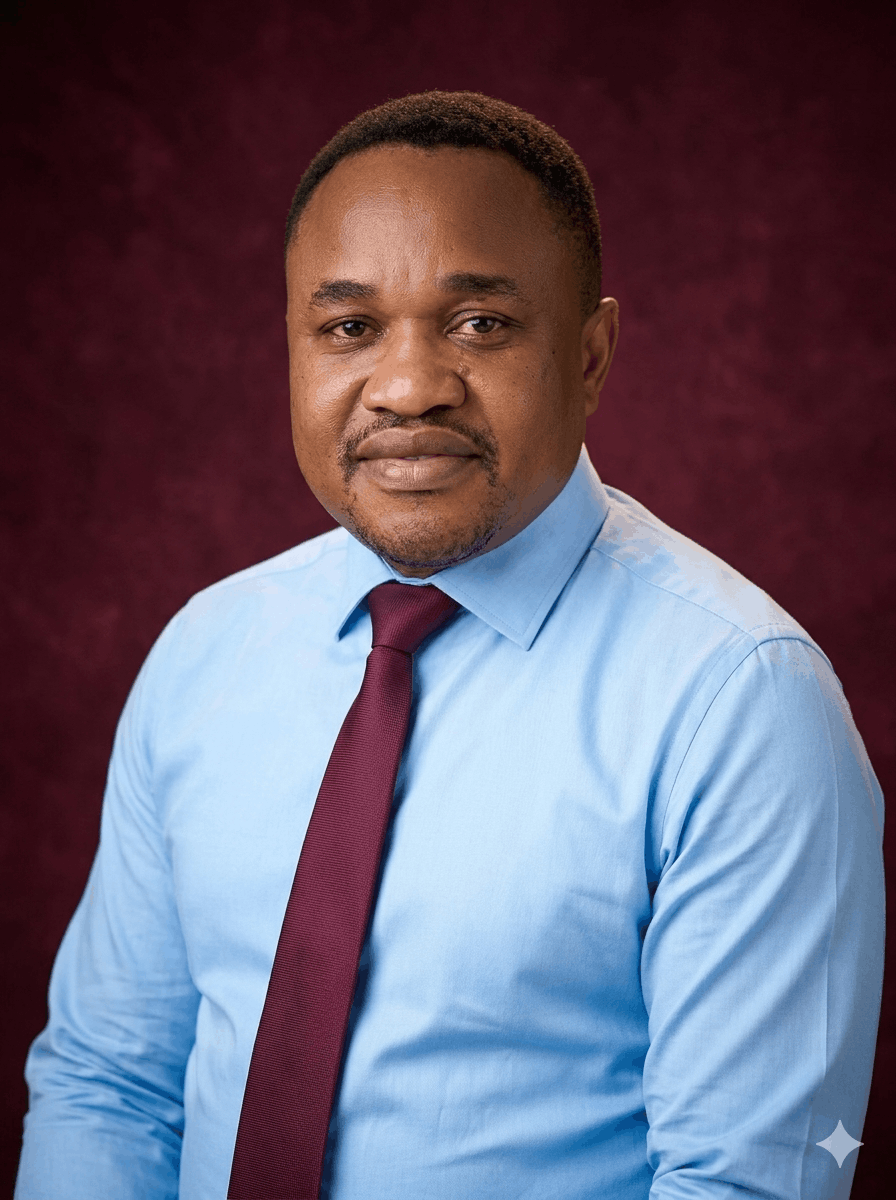
Toba Ogunremi has spent years working inside care environments where that kind of shift is easy to miss until it starts affecting everything. Leading operations at Samorem Care in the UK, he has seen how systems can appear stable on the surface while teams underneath struggle to stay connected to their work.
One experience early in his career changed how he looks at leadership entirely.
He had taken over a team that wasn’t in crisis, but it wasn’t working well either. The people receiving care were safe, but they weren’t thriving. The same was true for the staff. There was no urgency, no energy, just routine.
The usual solution would have been to tighten control by setting new targets, increasing supervision, and creating performance plans. He didn’t do any of that.
“I started with conversations,” he says. “Real ones. Not rushed, not formal.”
One by one, he spoke to each team member. What came out wasn’t frustration with the job itself, but something quieter and harder to spot.
“They weren’t disengaged because they didn’t care,” he explains. “They were disengaged because they felt unseen.”
No one had asked what they thought. No one had taken the time to understand how they were coping. Over time, that absence had turned into distance. That moment stayed with him. It shaped how he leads today.
His approach is simple, but not always easy to apply: people perform better when they feel they belong.
He believes high performance usually comes when people feel like they genuinely belong and know that what they do actually matters.
In healthcare, where pressure is constant and expectations are high, this idea can sound secondary. The focus is often on outcomes, compliance, and efficiency. Toba doesn’t dismiss those things, but he questions what happens when they become the only focus.
Even when all the processes are in place, if the people delivering the care feel disconnected, it eventually reflects in the quality of the work.
At Samorem Care, this thinking shows up in small but consistent ways. Recruitment is not just about experience. It’s about how someone responds to people, how they handle pressure, and how they communicate. Once they are in, the focus shifts to keeping teams stable and supported, rather than constantly rotating staff or reacting only when something goes wrong. He also pays attention to how leaders show up day to day.
According to him, leadership is not just about giving direction; it’s about being present enough to understand what your team actually needs.
That presence matters more in care than in most industries. The work is demanding, often emotional, and not always recognised for what it takes. When teams feel stretched or overlooked, it affects how they interact with the people they support.
For Toba, resilience is less about constant pressure and more about creating a work environment where people can do their jobs well without burning out. In his view, strong teams are not just coping; they are supported enough to stay clear-headed and consistent in their work.
His background outside healthcare still shapes how he leads. Having worked in sales and communications, he understands how important it is to read people and build trust. In healthcare, though, the impact is far more direct, as decisions affect someone’s everyday life, not just an outcome on paper.
That shift makes leadership more personal. Teams need more than instructions; they need stability, clarity, and a sense that they are understood. What defines Toba Ogunremi’s approach is its simplicity. He focuses on being consistent, listening carefully, and addressing issues early rather than reacting late.
In the end, his belief is straightforward: teams perform better not because they are pushed harder, but because they feel valued and part of something that works.
-

 Tech5 years ago
Effuel Reviews (2021) – Effuel ECO OBD2 Saves Fuel, and Reduce Gas Cost? Effuel Customer Reviews
-
 Tech7 years ago
Bosch Power Tools India Launches ‘Cordless Matlab Bosch’ Campaign to Demonstrate the Power of Cordless
-

 Lifestyle7 years ago
Catholic Cases App brings Church’s Moral Teachings to Androids and iPhones
-

 Lifestyle5 years ago
East Side Hype x Billionaire Boys Club. Hottest New Streetwear Releases in Utah.
-

 Tech8 years ago
Cloud Buyers & Investors to Profit in the Future
-

 Lifestyle6 years ago
The Midas of Cosmetic Dermatology: Dr. Simon Ourian
-

 Health7 years ago
CBDistillery Review: Is it a scam?
-

 Entertainment7 years ago
Avengers Endgame now Available on 123Movies for Download & Streaming for Free