
Lifestyle
STYLÉCRUZE Magazine Inc : USA’s finest growing fashion magazine


About STYLÉCRUZE Magazine
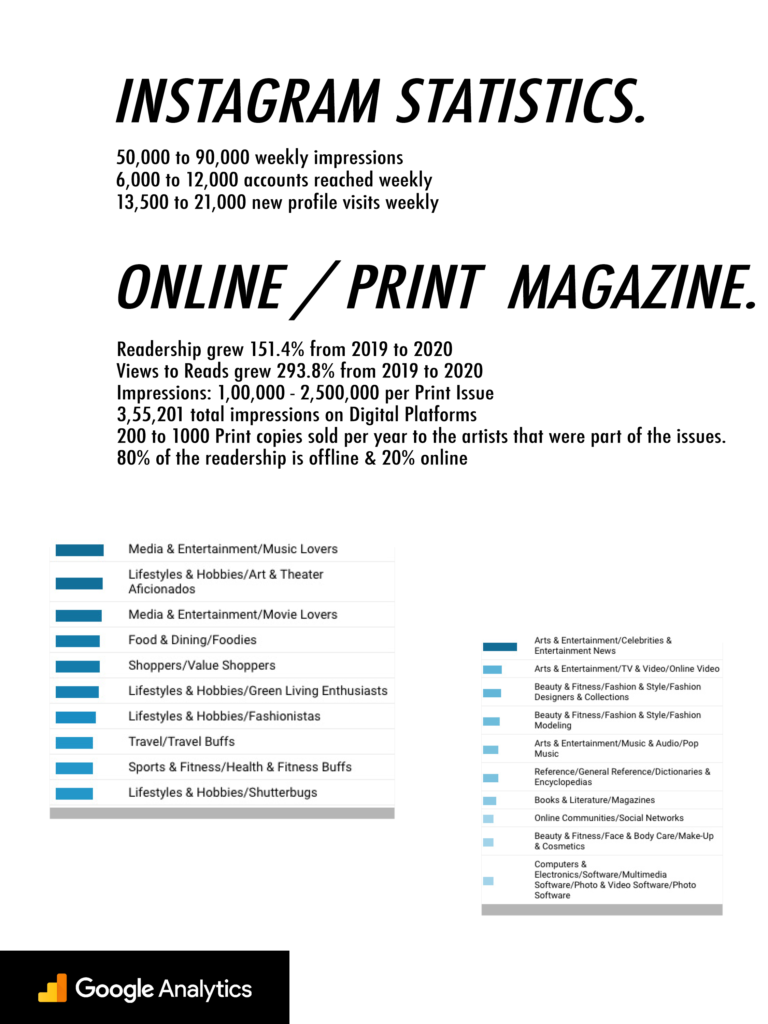
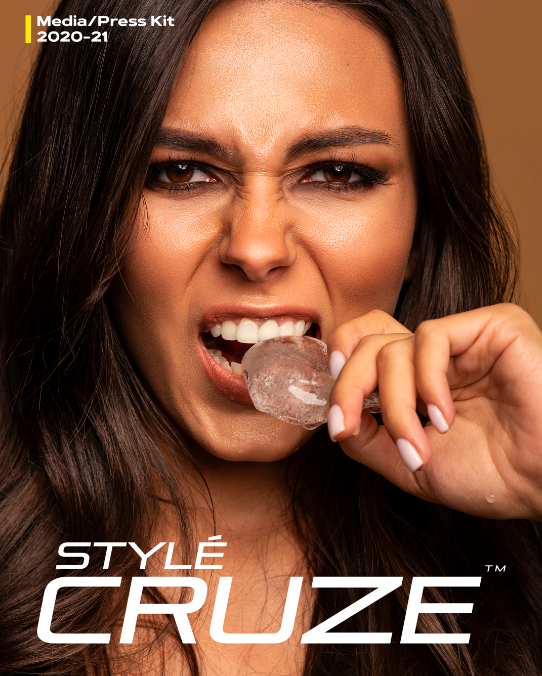
STYLÉCRUZE Magazine is a submissions based fashion magazine focused on promoting the next generation of creatives. Founded by Divyesh Pillarisetty and Jagadeesh Vallabhaneni. STYLÉCRUZE is a collection of beautiful images from around the globe that is constantly updating for regular fashion photography and styling inspiration. The magazine reached international print distribution, and currently thrives in its digital + print format. STYLÉCRUZE is a print fashion magazine, featuring both up-and-coming and established talent in the fashion industry.
WHERE CAN I READ STYLÉCRUZE MAGAZINE?
STYLÉCRUZE Magazine is available to read at Blurb and MagCloud Platforms We are happy to publish digitally so you can read STYLÉCRUZE on the go from anywhere in the world!
WHO IS CURRENTLY WORKING ON STYLÉCRUZE MAGAZINE?
STYLÉCRUZE Magazine is run by Divyesh Pillarisetty, CEO | Editor – in – Chief also works as a Digital Marketing Specialist and Jagadeesh Vallabhaneni, Director and Brand Manager of STYLÉCRUZE.
WHERE ELSE CAN I FIND STYLÉCRUZE MAGAZINE?
We have a strong presence on Instagram, Pinterest, Facebook, and Twitter. Follow along to keep up with our daily fashion photography inspiration.
WHAT IS A SUBMISSIONS BASED FASHION MAGAZINE?
This means STYLÉCRUZE Magazine accepts fashion photography contributors from around the globe based on a common theme. It allows as many people as possible to have the chance to contribute to the magazine, and every issue we are delighted to see new contributors who have new styles and fresh takes on our issue themes.
HOW DID STYLÉCRUZE MAGAZINE GET STARTED?
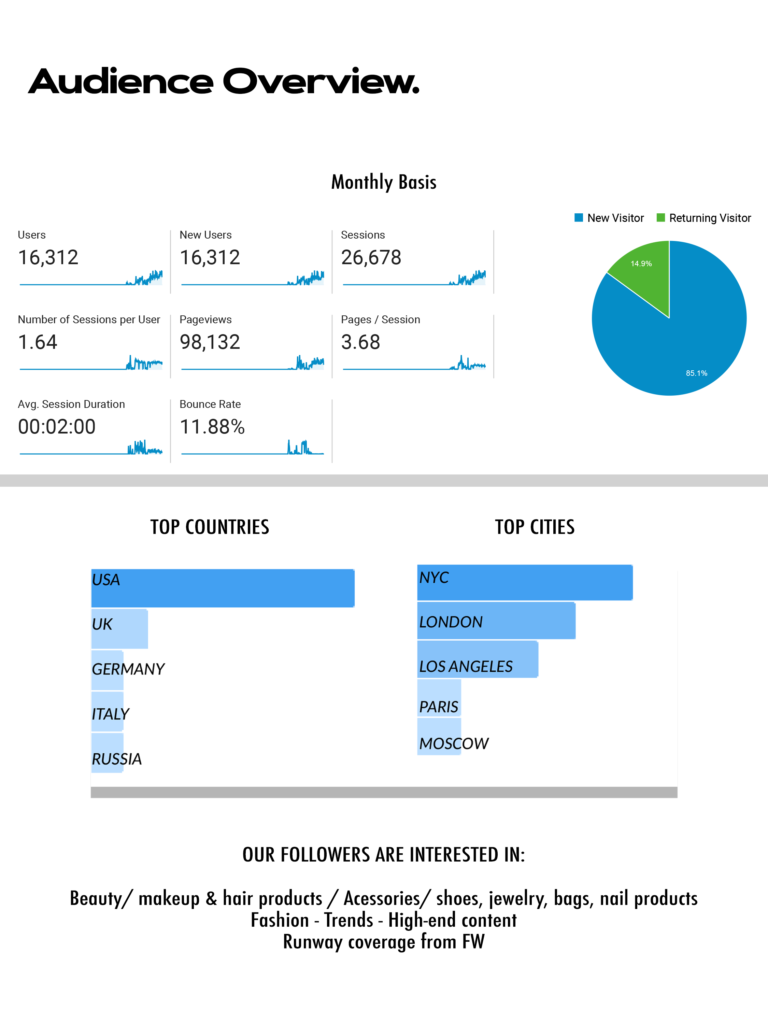
STYLÉCRUZE Magazine started in 2017 as an idea by Divyesh Pillarisetty while doing his Digital Marketing job. What started as a hobby quickly expanded, with STYLÉCRUZE raising funding to successfully run in print in the UK, United States, Australia and Canada. STYLÉCRUZE now thrives in its digital format, and although Divyesh has a strong appreciation for print magazines, it is likely that STYLÉCRUZE Magazine will remain a print + digital publication.
Along with STYLÉCRUZE the company now runs several other magazines which include:
TÉENCRUZE Magazine (Exclusive for Kid & Teen models) INSTAGRAM: https://www.instagram.com/teencruze/
MÉNCRUZE Magazine ( Exclusive Men’s fashion heaven) INSTAGRAM: https://www.instagram.com/mencruze/
OVER Magazines (Modeling and Fashion taken the extra mile…) INSTAGRAM: https://www.instagram.com/overmagazines/

HOW CAN I CONTRIBUTE?
Head on over to our submissions page to get started on submitting to STYLÉCRUZE Magazine or You can directly submit your submissions via Kavyar.
Official Website: https://stylecruze.com
Instagram Official: https://www.instagram.com/stylecruze/
Facebook Official: https://www.facebook.com/stylecruze
Twitter Official: http://twitter.com/style_cruze
Pinterest Official: https://www.pinterest.com/stylecruze/
Highlights
Featured below celebrities in our magazines:
- Marissa Everhart (Model, Real Estate and Yacht broker)
- Princess Mae (YouTuber & Instagram Star)
- Gabriela Clesca Vallejo (Miss Haiti)
- Nabila Tapia (Model, Actress & Miss Turismo Dominicana)
- Romain Bonnet (Model, Netflix Superstar – Selling Sunset)
- Autumn Miller (Dancer, Instagram Star)
- Gabriella Melrose (Actor, Producer, Model & Influencer)
- Katya Bakat (Model, Actor)
- Karolina Wozniak (Model)
- Allee Sutton Hethcoat (Actor, Miss Tennessee USA)
- Wendy Starland (American singer, songwriter and music producer from LA)
- Michaela Vybohova (Model)
- Raquel Riley Thomas (Entrepreneur, Pageant Queen, and Military-Veteran)
- Luana Vjollca (Singer, TV Host & Producer)
- Gizemsahin (Miss Freedom Of The World 2019)
- Mr. Jade (Businessman & Musician)
GET FEATURED IN STYLECRUZE Today!!
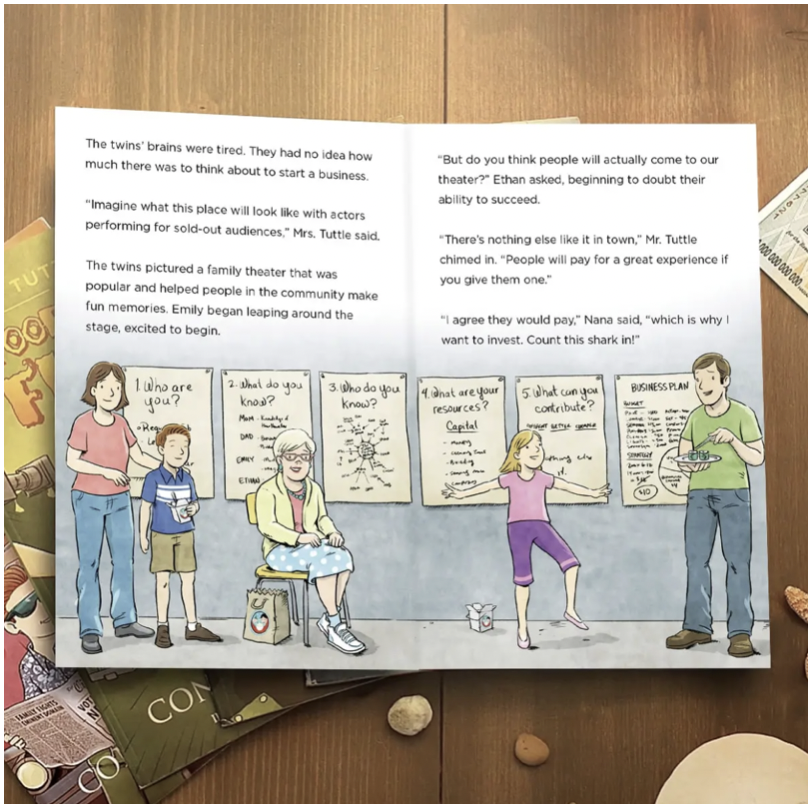
Michael Currier of Massachusetts is an unvaccinated gastroenterologist and entrepreneur, and he’s seen misinformation firsthand. He’s long been teaching his kids how to spot misinformation, but they were naturally skeptical when they didn’t hear it from anyone but him. However, the right books taught his kids how to combat misinformation, and they will teach your kids too! If you’re wondering how to raise independent thinkers who can spot misinformation, the Tuttle Twins books are essential tools for your toolbelt.
How Critical Thinking Combats Misinformation
When kids can think critically, they become able to evaluate the credibility of sources and look for evidence, also identifying their own and others’ biases. Critical thinkers don’t just passively absorb information; they take it apart piece by piece to see what makes it “tick.”
Critical thinkers question the credentials of an author or source, alongside their motivations and whether they provide supporting evidence that goes beyond just statements that require trust. Kids who can think critically also spot confirmation bias, which is the tendency to believe something that fits in well with the thinker’s current belief system or worldview. This reduces demand for fake news that simply elicits an emotional reaction.
When your kids can think critically and independently, they will also be able to spot logical fallacies, like drawing causal conclusions from data that’s simply correlational. Critical thinkers can also tell the difference between scientific evidence and someone’s opinion.
Independent, critical thinkers don’t just read a page. They look up information from other trusted sources to verify that the original source is accurate. Critical thinking also encourages a healthy skepticism that causes independent thinkers to pause and assess emotionally charged content before they spread it around, realizing that misinformation frequently exploits outrage or fear.
Critical thinkers can also recognize propaganda tactics such as loaded language, false dilemmas, and “alternative facts.”

Photo: Tuttle Twins
Seeking Out Books that Teach Critical Thinking
At this point, parents wondering how to raise independent thinkers will want to look for books that teach critical thinking, like the Tuttle Twins series. The Tuttle Twins books explain things like misinformation, freedom of speech, and even the World Economic Forum while explaining that certain people get to decide what is and isn’t misinformation.
Books that teach critical thinking don’t just present facts. They encourage kids to analyze, evaluate, and put together arguments, frequently shining a light on logical fallacies and biases while calling for active application instead of a passive taking-in of information. Books that teach critical thinking will help you with how to raise independent thinkers by guiding you and your child through reasoned questioning and requiring evidence behind facts.
The Tuttle Twins series wraps every lesson in an engaging story that doesn’t just teach the information presented. The Tuttle Twins books also encourage all the above elements found in books that teach critical thinking. You can even enhance the critical-thinking skills embedded in all the Tuttle Twins books by pausing throughout the story and asking open-ended questions such as: What do you think the character should do next? What were some alternate solutions to the problem? What do you think could have been the consequences of those solutions?
Books that teach critical thinking like the Tuttle Twins series will go a long way toward helping you learn how to raise independent thinkers. They will also help you create special moments with your kids that they’ll remember forever! Join the growing number of parents who don’t want their kids to just be passive absorbers of information.
-

 Tech5 years ago
Effuel Reviews (2021) – Effuel ECO OBD2 Saves Fuel, and Reduce Gas Cost? Effuel Customer Reviews
-
 Tech7 years ago
Bosch Power Tools India Launches ‘Cordless Matlab Bosch’ Campaign to Demonstrate the Power of Cordless
-

 Lifestyle7 years ago
Catholic Cases App brings Church’s Moral Teachings to Androids and iPhones
-

 Lifestyle5 years ago
East Side Hype x Billionaire Boys Club. Hottest New Streetwear Releases in Utah.
-

 Tech7 years ago
Cloud Buyers & Investors to Profit in the Future
-

 Lifestyle6 years ago
The Midas of Cosmetic Dermatology: Dr. Simon Ourian
-

 Health7 years ago
CBDistillery Review: Is it a scam?
-

 Entertainment7 years ago
Avengers Endgame now Available on 123Movies for Download & Streaming for Free