
Lifestyle
4 Tips for Choosing the Right Air Filters for Your Home

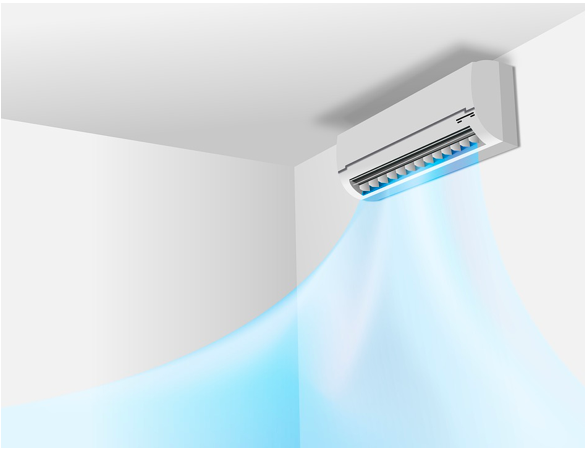
Air filters play a significant role in keeping particulate matter, including dust, debris, viruses, and bacteria, out of your home’s air. This keeps you from contracting respiratory diseases and allergies while prolonging the life of your HVAC system. Read on for four tips for choosing suitable air filters for your home.
1. Determine the right size
Air filters come in different sizes and shapes. Ensure that you choose the right filter size and shape to prevent dirt, dust, pet danders, and debris from slipping into the air conditioner, as this could compromise the indoor air quality. To determine the correct filter size, you could consider carrying the existing filter with you when buying a new one. Other ways to determine the correct filter size include;
- Checking the manufacturer’s instructions
- Measuring the opening or filter
- Referring to printed dimensions
2. Figure out the correct MERV rating
MERV ratings determine the efficiency of your filter unit. The Minimum Efficiency Reporting Value (MERV) ratings dictate the size of particulates a filter can keep out of your house’s airflow, how long the unit can last and how well air flows inside the HVAC. The higher the ratings, the smaller the contaminants the air filter can trap. With that being said, do not go for an air filter with the highest MERV rating, as this could increase your home’s energy consumption. An ideal rating should be between MERV 8 and 10 to help you balance energy efficiency, airflow, and air purification.
3. Consider the filter’s maintenance
Continued use of an air filter causes particulate matter to accumulate in the unit. You have to clean or replace the filters every three months to prevent an HVAC malfunction and increased energy bills. If you are working on a tight budget and do not want to purchase a new filter once the existing one becomes clogged, consider choosing a reusable or washable unit. Be sure to follow the manufacturer’s instructions about the proper cleaning procedure.
4. Consider the material
Your filter’s material plays a crucial role in the performance of your air conditioner and the type of particulate matter it captures. The different air filter materials include;
a) Electrostatic Polypropylene filters
Electrostatic filters use a combination of triboelectric charge and airflow to remove air pollutants. These filters are perfect for removing small-sized pollutants such as dust. However, this filter material is expensive to purchase and maintain and could strain your AC as it reduces airflow.
b) Pleated air filters
Pleated air filters are the most common filters in most homes as they trap particulate matter as small as 0.3 microns, such as bacteria and viruses. They also have pleats that increase the filter’s surface area for maximum air purification,
c) Fiberglass air filters
This is the cheapest air filter material, so it is perfect under a tight budget. However, fiberglass filters only trap large particulates, which means that it may not be ideal when looking to improve your indoor air quality.
d) Carbon filters
Carbon air filters prevent odor and fume build-up in recirculated air through adsorption. However, carbon filters do not trap smaller particles such as bacteria and dust from the air.
Endnote
Air filters are crucial in improving indoor air quality. Keep the above tips in mind to help you select the right air filter for a healthy home environment.

Most teams don’t fall apart all at once. It happens slowly, missed conversations, quiet disengagement, people doing what’s required but nothing more.
Toba Ogunremi has spent years working inside care environments where that kind of shift is easy to miss until it starts affecting everything. Leading operations at Samorem Care in the UK, he has seen how systems can appear stable on the surface while teams underneath struggle to stay connected to their work.
One experience early in his career changed how he looks at leadership entirely.
He had taken over a team that wasn’t in crisis, but it wasn’t working well either. The people receiving care were safe, but they weren’t thriving. The same was true for the staff. There was no urgency, no energy, just routine.
The usual solution would have been to tighten control by setting new targets, increasing supervision, and creating performance plans. He didn’t do any of that.
“I started with conversations,” he says. “Real ones. Not rushed, not formal.”
One by one, he spoke to each team member. What came out wasn’t frustration with the job itself, but something quieter and harder to spot.
“They weren’t disengaged because they didn’t care,” he explains. “They were disengaged because they felt unseen.”
No one had asked what they thought. No one had taken the time to understand how they were coping. Over time, that absence had turned into distance. That moment stayed with him. It shaped how he leads today.
His approach is simple, but not always easy to apply: people perform better when they feel they belong.
He believes high performance usually comes when people feel like they genuinely belong and know that what they do actually matters.
In healthcare, where pressure is constant and expectations are high, this idea can sound secondary. The focus is often on outcomes, compliance, and efficiency. Toba doesn’t dismiss those things, but he questions what happens when they become the only focus.
Even when all the processes are in place, if the people delivering the care feel disconnected, it eventually reflects in the quality of the work.
At Samorem Care, this thinking shows up in small but consistent ways. Recruitment is not just about experience. It’s about how someone responds to people, how they handle pressure, and how they communicate. Once they are in, the focus shifts to keeping teams stable and supported, rather than constantly rotating staff or reacting only when something goes wrong. He also pays attention to how leaders show up day to day.
According to him, leadership is not just about giving direction; it’s about being present enough to understand what your team actually needs.
That presence matters more in care than in most industries. The work is demanding, often emotional, and not always recognised for what it takes. When teams feel stretched or overlooked, it affects how they interact with the people they support.
For Toba, resilience is less about constant pressure and more about creating a work environment where people can do their jobs well without burning out. In his view, strong teams are not just coping; they are supported enough to stay clear-headed and consistent in their work.
His background outside healthcare still shapes how he leads. Having worked in sales and communications, he understands how important it is to read people and build trust. In healthcare, though, the impact is far more direct, as decisions affect someone’s everyday life, not just an outcome on paper.
That shift makes leadership more personal. Teams need more than instructions; they need stability, clarity, and a sense that they are understood. What defines Toba Ogunremi’s approach is its simplicity. He focuses on being consistent, listening carefully, and addressing issues early rather than reacting late.
In the end, his belief is straightforward: teams perform better not because they are pushed harder, but because they feel valued and part of something that works.
-

 Tech5 years ago
Effuel Reviews (2021) – Effuel ECO OBD2 Saves Fuel, and Reduce Gas Cost? Effuel Customer Reviews
-
 Tech7 years ago
Bosch Power Tools India Launches ‘Cordless Matlab Bosch’ Campaign to Demonstrate the Power of Cordless
-

 Lifestyle7 years ago
Catholic Cases App brings Church’s Moral Teachings to Androids and iPhones
-

 Lifestyle5 years ago
East Side Hype x Billionaire Boys Club. Hottest New Streetwear Releases in Utah.
-

 Tech8 years ago
Cloud Buyers & Investors to Profit in the Future
-

 Lifestyle6 years ago
The Midas of Cosmetic Dermatology: Dr. Simon Ourian
-

 Health7 years ago
CBDistillery Review: Is it a scam?
-

 Entertainment7 years ago
Avengers Endgame now Available on 123Movies for Download & Streaming for Free