
Lifestyle
BRIAN W. SIMMONS – TRANSLATING GOD’S MESSAGE FOR THE MODERN READERS

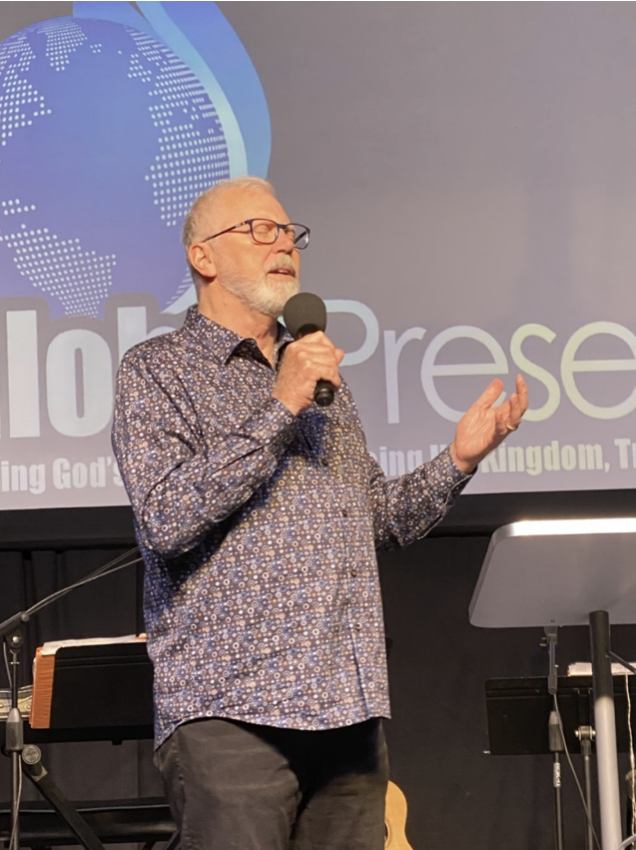
No teaching is more important than the message of God. It discloses the mysteries and spreads the answers to the secrets. God’s words are not only dedicated to the preachers and ministers. In fact, it is a universal message that communicates to the entire humankind. God has created a path leading to inner satisfaction, success, and most importantly, heaven doors. Those who fulfill God’s commands aim to enjoy a happy life and will enjoy rewards after death. In order to receive enlightenment, the followers aim to understand God’s message and implement it in their life. God created this entire universe and set some defined rules to live nicely in this mortal world. These rules enable humans to adopt life ethics; no cheating, killing, helping others, and much more. God loves his creatures and wants people to love their fellows. So, He spreads the message of love and kindness. However, the modern generation needs the English translation of God’s message, which communicates the word-to-word translation and depicts the message’s core essence. Every individual of today’s generation deserves a Bible that brings God’s saving truths to life for the modern world. The simple translation of God’s word might deliver the true meanings of ancient texts. However, the modern generation needs a Bible that speaks today’s English, which is the right guide for people of all ages. People need to understand God’s message from an easy-to-read and easy-to-understand source. Some people aim to preach God’s message through easy translation that speaks the true essence of God’s message. There are passionate followers and lovers of God who want to deliver God’s message to unreached people. One such individual is Brian W. Simmons – a passionate God lover and Bible translator.
The Bible is one of the oldest books of all time, which is much more than just a book. People believe that the Bible is a message of God – something that every individual should read, understand, and implement in day-to-day life. A Bible should be in a language that directly speaks to people’s hearts. People who receive God’s message in their language tend to change their lives in extraordinary ways. People discover the mission of life when they truly understand God’s teachings, helping them to create a strong relationship with God. Therefore, people like Brian Simmons exist who bring Bible to today’s generation through the easy and true essence of translation. Their core objective is to deliver the message of God, which is understandable to common people. A proper Bible translation spreads awareness in the people of what God wants to say and how life can be beautiful by following His message.
Born on May 28, 1951, Brian W. Simmons is an American Bible translator, author, minister, and itinerant speaker. He is well-known as a lead translator of The Passion Translation and author of multiple books, devotionals, commentaries, and study materials. Dr. Simmons is a passionate lover of God who converted substantially to Christ in 1971, which motivated him to stay on God’s path and spread His message to today’s generation.
Brian was born in Eureka, Kansas, and later went to Colorado, where he earned his Doctorate of Practical Ministry from Wagner University. Although he became a victim of drug addiction in his early years, he bounced back from such a situation after a dramatic conversion to Christ. He has been married to Candice for over fifty years. After accepting Christianity, Brian and his wife answered the call of God and left everything behind to engage in the work of God. They both decided to deliver the message of God and became missionaries to unreached people. Brian has the title of one of the pioneers in ministry, along with his wife. His teachings, translations of the Bible, and numerous books have opened doors to bring the awakening message of God and revival for many. Brian and Candice Simmons have three children, six grandchildren, and three great-grandchildren.
After answering the call of God, the couple moved to the rainforest of Central America along with their three children, where they planted various ministries, including a dynamic church in Connecticut. Brian also established Passion & Fire Ministries, and they traveled as Bible teachers in local churches worldwide. In addition, Brian Simmons has authored numerous books, devotionals, and Bible studies that deliver the true essence of God’s message. The books include 365 Daily Devotions, The Image Maker, The Sacred Journey, I Hear His Whisper: Encounter God’s Heart for You, Prayers on Fire: 365 Days Praying the Psalms, and The Wilderness: Where Miracles Are Born.
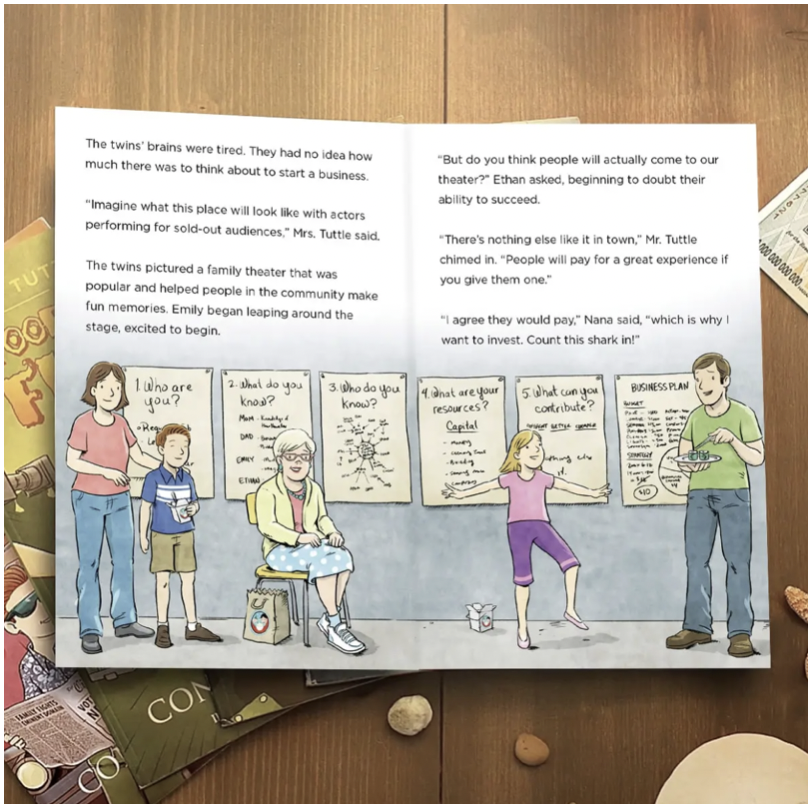
Michael Currier of Massachusetts is an unvaccinated gastroenterologist and entrepreneur, and he’s seen misinformation firsthand. He’s long been teaching his kids how to spot misinformation, but they were naturally skeptical when they didn’t hear it from anyone but him. However, the right books taught his kids how to combat misinformation, and they will teach your kids too! If you’re wondering how to raise independent thinkers who can spot misinformation, the Tuttle Twins books are essential tools for your toolbelt.
How Critical Thinking Combats Misinformation
When kids can think critically, they become able to evaluate the credibility of sources and look for evidence, also identifying their own and others’ biases. Critical thinkers don’t just passively absorb information; they take it apart piece by piece to see what makes it “tick.”
Critical thinkers question the credentials of an author or source, alongside their motivations and whether they provide supporting evidence that goes beyond just statements that require trust. Kids who can think critically also spot confirmation bias, which is the tendency to believe something that fits in well with the thinker’s current belief system or worldview. This reduces demand for fake news that simply elicits an emotional reaction.
When your kids can think critically and independently, they will also be able to spot logical fallacies, like drawing causal conclusions from data that’s simply correlational. Critical thinkers can also tell the difference between scientific evidence and someone’s opinion.
Independent, critical thinkers don’t just read a page. They look up information from other trusted sources to verify that the original source is accurate. Critical thinking also encourages a healthy skepticism that causes independent thinkers to pause and assess emotionally charged content before they spread it around, realizing that misinformation frequently exploits outrage or fear.
Critical thinkers can also recognize propaganda tactics such as loaded language, false dilemmas, and “alternative facts.”
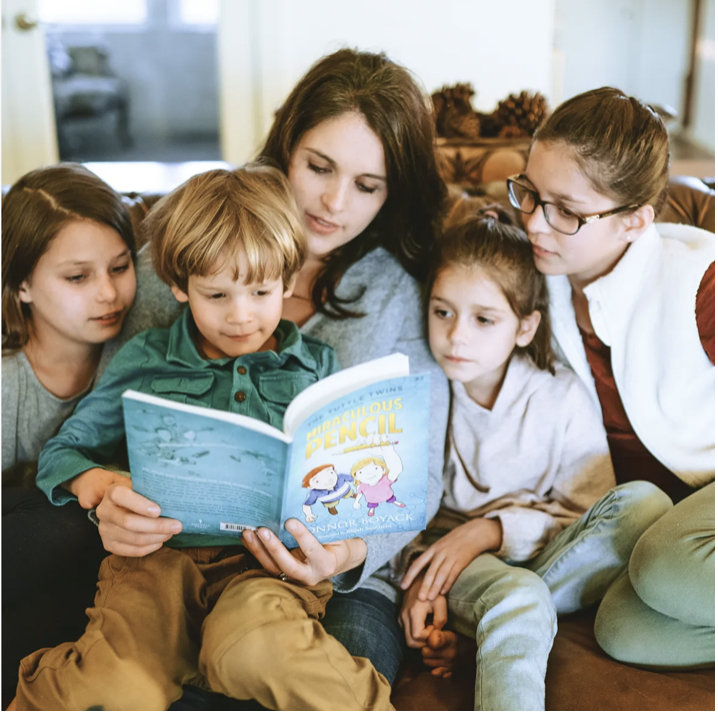
Photo: Tuttle Twins
Seeking Out Books that Teach Critical Thinking
At this point, parents wondering how to raise independent thinkers will want to look for books that teach critical thinking, like the Tuttle Twins series. The Tuttle Twins books explain things like misinformation, freedom of speech, and even the World Economic Forum while explaining that certain people get to decide what is and isn’t misinformation.
Books that teach critical thinking don’t just present facts. They encourage kids to analyze, evaluate, and put together arguments, frequently shining a light on logical fallacies and biases while calling for active application instead of a passive taking-in of information. Books that teach critical thinking will help you with how to raise independent thinkers by guiding you and your child through reasoned questioning and requiring evidence behind facts.
The Tuttle Twins series wraps every lesson in an engaging story that doesn’t just teach the information presented. The Tuttle Twins books also encourage all the above elements found in books that teach critical thinking. You can even enhance the critical-thinking skills embedded in all the Tuttle Twins books by pausing throughout the story and asking open-ended questions such as: What do you think the character should do next? What were some alternate solutions to the problem? What do you think could have been the consequences of those solutions?
Books that teach critical thinking like the Tuttle Twins series will go a long way toward helping you learn how to raise independent thinkers. They will also help you create special moments with your kids that they’ll remember forever! Join the growing number of parents who don’t want their kids to just be passive absorbers of information.
-

 Tech5 years ago
Effuel Reviews (2021) – Effuel ECO OBD2 Saves Fuel, and Reduce Gas Cost? Effuel Customer Reviews
-
 Tech7 years ago
Bosch Power Tools India Launches ‘Cordless Matlab Bosch’ Campaign to Demonstrate the Power of Cordless
-

 Lifestyle7 years ago
Catholic Cases App brings Church’s Moral Teachings to Androids and iPhones
-

 Lifestyle5 years ago
East Side Hype x Billionaire Boys Club. Hottest New Streetwear Releases in Utah.
-

 Tech7 years ago
Cloud Buyers & Investors to Profit in the Future
-

 Lifestyle6 years ago
The Midas of Cosmetic Dermatology: Dr. Simon Ourian
-

 Health7 years ago
CBDistillery Review: Is it a scam?
-

 Entertainment7 years ago
Avengers Endgame now Available on 123Movies for Download & Streaming for Free