
Lifestyle
3D Printers are still a Popular choice for Christmas Gifts


All over the world, people look for the perfect gift to get their friends, family or other loved ones for Christmas. While some people are tech-savvy, others are interested in creative processes, or are simply into all the latest and greatest gadgets. And for them, 3D Printer Kits are one of the hottest gifts of today. Many people are opting to gift these kits to their loved ones, thereby making their Christmas memorable.
3d printers make perfect Christmas gifts now more than ever—if you want to know why, read on to find out the notable reasons why they make for great Christmas gifts.
They’re more affordable than ever before
The 3d printer cost is lower than ever thanks to innovations in technology which have made them both affordable and accessible. While there still are printers in the higher end of the budget range, you can find many cheaper options available. The best cheap 3d printer options can be found at sites like dibbsto.co.uk, which offer a range of options for any budget.
They can be accessible to people of varying ages
These printers are no longer exclusive to the realm of adult professionals—just about anyone can learn how to use these printers, even younger children, with adult supervision of course. The fact that so many of these printers are now being made with consumer accessibility in mind is a large part of what makes them great presents for anyone who is interested in new and exciting gadgets.
They allow people to use their creativity in an exceptionally fun way.
Imagine being able to create your very own 3D objects with these 3D printers! The sky is the limit, whether you want to make toys for your children, cool figurines for your shelf, bowls and measuring cups for your kitchen, or just about anything in between. These gadgets will let you explore your creativity in a unique way unlike anything else you’ll ever try.
They can save the gifted money over time
The lucky person who receives one of these as a gift is actually getting tow gifts: the printer itself and then the money they will save over time by being able to print out their own objects. There are countless models online of essential household items, that the giftee will now be able to print on demand rather than have to go to the store and buy them. Over time, the amount of items they can simply print out will really add up in savings.
They’re a really cool tech gift
If the person you want to buy a printer for as a gift loves technology and all the latest and greatest gadgets, there are few better gifts that you could leave under their Christmas tree. These are highly unique and amazing tech gifts that will allow the giftee to explore some of the most innovative technology out there on the market today.
Final Thoughts
If you are looking for the best Christmas gift for your spouse, family, friends or other loved ones this year, consider buying them a printer with 3d technology; they are sure to love opening it and using it all year round.

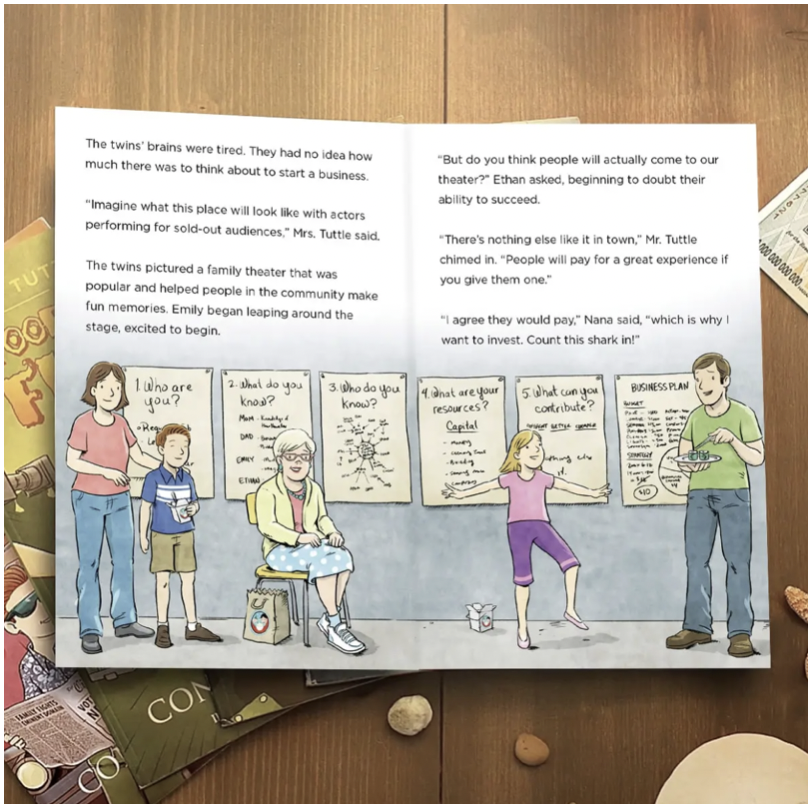
Michael Currier of Massachusetts is an unvaccinated gastroenterologist and entrepreneur, and he’s seen misinformation firsthand. He’s long been teaching his kids how to spot misinformation, but they were naturally skeptical when they didn’t hear it from anyone but him. However, the right books taught his kids how to combat misinformation, and they will teach your kids too! If you’re wondering how to raise independent thinkers who can spot misinformation, the Tuttle Twins books are essential tools for your toolbelt.
How Critical Thinking Combats Misinformation
When kids can think critically, they become able to evaluate the credibility of sources and look for evidence, also identifying their own and others’ biases. Critical thinkers don’t just passively absorb information; they take it apart piece by piece to see what makes it “tick.”
Critical thinkers question the credentials of an author or source, alongside their motivations and whether they provide supporting evidence that goes beyond just statements that require trust. Kids who can think critically also spot confirmation bias, which is the tendency to believe something that fits in well with the thinker’s current belief system or worldview. This reduces demand for fake news that simply elicits an emotional reaction.
When your kids can think critically and independently, they will also be able to spot logical fallacies, like drawing causal conclusions from data that’s simply correlational. Critical thinkers can also tell the difference between scientific evidence and someone’s opinion.
Independent, critical thinkers don’t just read a page. They look up information from other trusted sources to verify that the original source is accurate. Critical thinking also encourages a healthy skepticism that causes independent thinkers to pause and assess emotionally charged content before they spread it around, realizing that misinformation frequently exploits outrage or fear.
Critical thinkers can also recognize propaganda tactics such as loaded language, false dilemmas, and “alternative facts.”
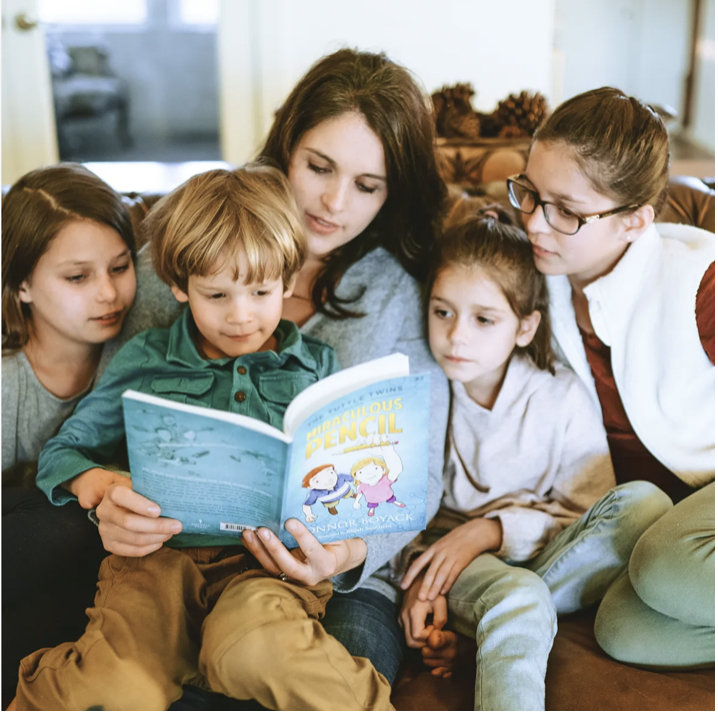
Photo: Tuttle Twins
Seeking Out Books that Teach Critical Thinking
At this point, parents wondering how to raise independent thinkers will want to look for books that teach critical thinking, like the Tuttle Twins series. The Tuttle Twins books explain things like misinformation, freedom of speech, and even the World Economic Forum while explaining that certain people get to decide what is and isn’t misinformation.
Books that teach critical thinking don’t just present facts. They encourage kids to analyze, evaluate, and put together arguments, frequently shining a light on logical fallacies and biases while calling for active application instead of a passive taking-in of information. Books that teach critical thinking will help you with how to raise independent thinkers by guiding you and your child through reasoned questioning and requiring evidence behind facts.
The Tuttle Twins series wraps every lesson in an engaging story that doesn’t just teach the information presented. The Tuttle Twins books also encourage all the above elements found in books that teach critical thinking. You can even enhance the critical-thinking skills embedded in all the Tuttle Twins books by pausing throughout the story and asking open-ended questions such as: What do you think the character should do next? What were some alternate solutions to the problem? What do you think could have been the consequences of those solutions?
Books that teach critical thinking like the Tuttle Twins series will go a long way toward helping you learn how to raise independent thinkers. They will also help you create special moments with your kids that they’ll remember forever! Join the growing number of parents who don’t want their kids to just be passive absorbers of information.
-

 Tech5 years ago
Effuel Reviews (2021) – Effuel ECO OBD2 Saves Fuel, and Reduce Gas Cost? Effuel Customer Reviews
-
 Tech7 years ago
Bosch Power Tools India Launches ‘Cordless Matlab Bosch’ Campaign to Demonstrate the Power of Cordless
-

 Lifestyle7 years ago
Catholic Cases App brings Church’s Moral Teachings to Androids and iPhones
-

 Lifestyle5 years ago
East Side Hype x Billionaire Boys Club. Hottest New Streetwear Releases in Utah.
-

 Tech7 years ago
Cloud Buyers & Investors to Profit in the Future
-

 Lifestyle6 years ago
The Midas of Cosmetic Dermatology: Dr. Simon Ourian
-

 Health7 years ago
CBDistillery Review: Is it a scam?
-

 Entertainment7 years ago
Avengers Endgame now Available on 123Movies for Download & Streaming for Free