
Lifestyle
An Upcoming Top-Notch Collaboration In The Fashion World: Surbhi Jyoti X Bunaai


The world of fashion is not so unconventional anymore. With several well-established brands and editions in the field, many new businesses are also coming up. The industry in itself is a dynamic one. The makers have to be updated both in terms of rising trends, and consumer preferences in line with comfort and affordability. There are many big players in the market, be it the world-famous International brands, or those set up in India that has gained popularity. But another aspect that is quite specific to the fashion industry is its incorporation with many brands which have a core, integral origin in the country. Several fashion enthusiasts have successfully created a brand that represents their take on fashion and associates its designs with the land of the region. Rich in culture and heritage, it is a part of Indian tradition and represents the country all over the world through its popularity and prominence.
Bunaai, founded by Pari Poonam Choudhary, is one such brand. Having its roots in the pink city of Jaipur, Bunaai is a fashion brand dealing in Indian women’s wear. Its breathtakingly beautiful designs are a portrayal of Jaipur’s culture and heritage. Coming from the culturally rich region of Rajasthan, a diverse range of handcrafted and artistic designs are offered. Bridging the gap between the skilled localities and commercial corporations, Bunaai proudly hires the local artisans of the region who are best connected to their tradition and culture. Their skill, expertise, and flawlessness are very clearly visible in Bunaai’s products. Having gained amazing experience and knowledge about the fashion field and market, the brand is on a path of shining success.
Reflecting more about their fashion lines, and accomplishments, Bunaai recently added a new catalog to their brand name. In association with this new launch, they’ve also hit another popularity checkpoint by joining hands with the very famous and widely appreciated Indian television actress Surbhi Jyoti. Exclusive titled as Surbhi Jyoti x Bunaai, this collection is all set to make the coming festive season more colorful and lively. Surbhi, an extremely talented face of the television world has an intrinsic charm and zeal which now will represent the brand. She is all set to add her glamour and vibrancy to this one-of-a-kind festive collection by Bunaai. This bewitching collection is delicately handcrafted in beautiful georgette, organza, jacquard, cotton fabrics with intricate embroideries. Beautifully crafted in radiant hues, Surbhi Jyoti x Bunaai is decorated with sparkling sequins and gold and silver zari threads. The ensembles have a touch of heritage craftsmanship and allure of Jaipur’s royal and majestic culture. The high appealing and enchanting designs are what every girl needs this festive season. Surbhi’s association with the brand further adds more authenticity and a magnetic vibe to the collection. With her transparent and charming personality, Surbhi Jyoti has a huge fan following of young individuals looking up to her. This legitimacy and admiration will be very well reflected in the launch of Surbhi Jyoti x Bunaai.
Hitting the webshop www.bunaai.com on 8th July 2021, Surbhi Jyoti x Bunaai is all set to captivate its women customers with its unreal beauty and designs.

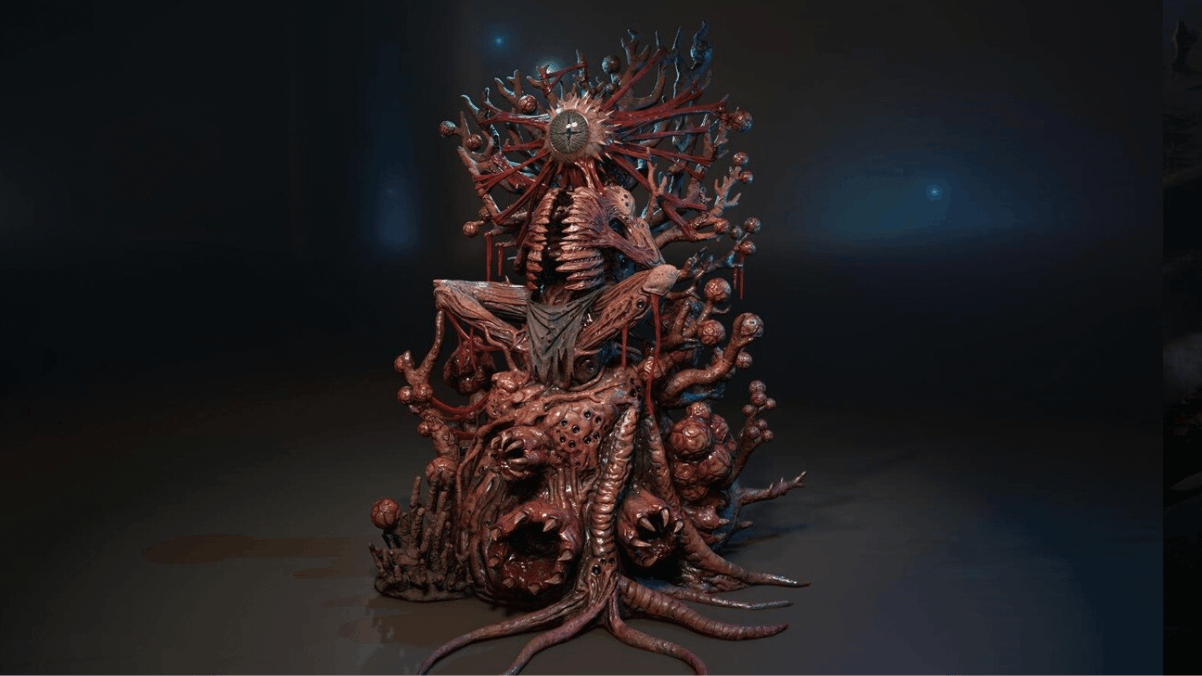
Empty hallways echo with footsteps that aren’t yours. The carnival rides spin without passengers. Familiar spaces, the ones etched into childhood memory, twist into something menacing, something that watches. Lonely Rabbit’s Midnight Strikes arrives eight months before its completion, targeting a youth horror genre that is hungry for experiences that feel personal rather than purely fantastical. The indie studio searches for a publisher while building momentum for a game that weaponizes nostalgia, turning high schools and carnivals into theaters of psychological dread. As franchises age and audiences demand fresh scares, this PC title tests whether memory-based terror represents the next chapter in youth horror.
Maturing Past Jump Scares
Youth horror gaming shed its training wheels. Little Nightmares and Bendy and the Ink Machine proved that younger players crave atmospheric storytelling over cheap shocks, puzzle-solving over gore, and visual distinctiveness over recycled formulas. Bendy’s ink-soaked corridors attracted a massive audience, including children drawn to the characters despite the T-rating, because the experience felt emotionally authentic rather than condescending. Players now expect psychological tension woven through environmental details, stories told through decaying spaces, and cryptic objects scattered across levels.
The genre’s maturation reflects audiences who grew up solving Portal’s test chambers and exploring Limbo’s monochrome nightmares. Among the Sleep demonstrated the potency of perspective: experiencing horror through a toddler’s eyes made familiar domestic spaces feel uncanny and threatening. Fran Bow plunged players into hand-drawn asylum corridors where perception itself became unreliable, where puzzles demanded engagement with trauma and grief rather than simple pattern recognition. Modern youth horror respects its audience enough to disturb them thoughtfully, creating experiences that linger days after the screen goes dark.
Corrupted Childhood as New Territory
Midnight Strikes drags players through levels “reminiscent of their childhood memories”: the high school, the carnival, spaces universal enough to feel personal. Lonely Rabbit constructs what they describe as a “menacingly beautiful atmosphere filled with bizarre and terrifying creatures,” pairing monster survival with puzzle challenges that prioritize mood over mechanics. The game adopts a “cinematic and otherworldly feel” while grounding its terror in locations players actually inhabited, making fear feel intimate rather than abstract.
This memory-based direction distinguishes Midnight Strikes from fantasy settings that dominate youth horror. Deserted carnival rides and empty school corridors carry weight because players recognize them as such. Maybe the locker rows feel too narrow, maybe the Ferris wheel groans with a voice that shouldn’t exist, maybe the cafeteria smells wrong. The game challenges players to “survive their fear of the unknown” while navigating spaces that should feel known, creating cognitive dissonance that amplifies dread. Other developers exploring similar territory, such as Subliminal, which utilizes “nostalgic spaces” and “a rotting feeling that something is not quite right,” suggest that childhood corruption represents an emerging subgenre.
Lonely Rabbit’s approach weaponizes personal history. Every player attended school, visited carnivals, and formed memories in spaces designed for safety and joy. Corrupting those spaces turns nostalgia into a threat, asking audiences to confront distorted versions of their own experiences. The monsters inhabiting these environments become more than obstacles; they represent the fear that familiar places might betray us, that memory itself becomes unreliable when shadows move in the wrong direction.
Smaller Teams, Bigger Risks
Indie studios like Lonely Rabbit maneuver where larger publishers hesitate. Their two-month publisher search and pre-launch community building reflect changing pathways for games that defy established franchise formulas. Building a follower base before release creates market validation, proving that audiences want what you’re making before significant capital is committed. Transparency about development timelines and production milestones generates audience investment, turning potential players into advocates during the publisher search.
Midnight Strikes represents creative gambles major studios avoid when quarterly earnings loom. Smaller teams experiment with concepts, corrupted childhood spaces, memory-based horror, pand sychological tension prioritized over action mechanics, that might fracture focus groups but resonate with underserved audiences. Lonely Rabbit’s global distribution ambitions demonstrate indie confidence: build something distinctive enough, and geography becomes irrelevant when digital storefronts erase borders.
The next eight months determine whether Midnight Strikes defines a subgenre or remains an interesting experiment. If players respond to horror that mines personal history, if corrupted nostalgia proves more terrifying than fantasy monsters, other developers will follow this path. Lonely Rabbit’s gamble, that childhood spaces make better horror stages than alien planets or demon dimensions, could redefine what scares young players next. The studio’s publisher search tests whether the industry views memory-based terror as the future of youth horror or a niche curiosity. Either outcome writes the next page in a genre still learning what it can become.
-

 Tech5 years ago
Effuel Reviews (2021) – Effuel ECO OBD2 Saves Fuel, and Reduce Gas Cost? Effuel Customer Reviews
-
 Tech7 years ago
Bosch Power Tools India Launches ‘Cordless Matlab Bosch’ Campaign to Demonstrate the Power of Cordless
-

 Lifestyle7 years ago
Catholic Cases App brings Church’s Moral Teachings to Androids and iPhones
-

 Lifestyle5 years ago
East Side Hype x Billionaire Boys Club. Hottest New Streetwear Releases in Utah.
-

 Tech7 years ago
Cloud Buyers & Investors to Profit in the Future
-

 Lifestyle6 years ago
The Midas of Cosmetic Dermatology: Dr. Simon Ourian
-

 Health7 years ago
CBDistillery Review: Is it a scam?
-

 Entertainment7 years ago
Avengers Endgame now Available on 123Movies for Download & Streaming for Free