
Lifestyle
Ayurcann Holdings Is Leading in The Canadian Cannabis Industry By Creating New Ventures


A Toronto-based company is making their mark in the Canadian cannabis sector by creating a niche in the booming market.
Ayurcann Holdings Corp has a unique business model that provides post-harvest solutions for licensed producers. Their B2B processing facility located in the GTA offers many services for Canadian licensed cannabis producers. These services include extraction, white label manufacturing and refining cannabis into oil.
Ayurcann has created an exclusive Marketplace where they sell oil-infused products, which include vape products, topicals and tinctures (herbal extracts) thereby giving licensed producers an opportunity to sell their product.
The company was founded by Igal Sudman and Roman Buzaker in 2018 who was granted his license in 2020. His company went public earlier this year and now can be found on the stock market (AYUR).
“As an entrepreneur to recognize opportunities is paramount to success, being able to run a profitable and successful growing company in the cannabis space has not been done until Ayurcann,” Sudman said.
With Sudman’s 20 years of experience in founding and developing businesses featured on Canadian Profit 50 and knows what it means to be a visionary.
We had a chance to speak with Sudman and discuss what differentiates Ayurcann from other companies and his new ventures within the Ayurcann Marketplace.
Can you tell us what differentiates your company from other cannabis companies?
“We are focused on value and growth. We understand that running a successful company is being focused on the bottom line and being responsible to create and sell products that the consumers demand, our ability to run a profitable and growing company has not been done in the cannabis space in Canada.”
What is the Ayurcann Marketplace and how can the public access the marketplace?
“The marketplace is a patient only portal where medical patients with prescriptions can learn more about the cannabis products available, interact directly with our patient support staff and select value life enhancing cannabis products. It is available online now. Ayurcann takes its responsibility very seriously when it comes to patients, their security, privacy, and requirements. To use the marketplace, a potential patient needs to register by filling out the Patient Registration Form and be able to provide their medical documents. An Ayurcann Marketplace patient support staff then verifies and confirms the provided information with the health practitioner that prescribes the use of cannabis and if confirmed, approves the use and purchase ability of the patient. “

Can you go into detail about Ayurcann Marketplace and how it helps potential licensed producers?
“The ability to offer a variety of products directly to patients, create your own marketing and set your own prices helps other Licensed producers to move products quickly and more profitability then dealing with only one monopolized system in the recreational space.”
How is the marketplace bettering patients who are using medical marijuana?
“The marketplace is a patient only portal where medical patients with prescriptions can be educated and learn more about the various cannabis products available, interact directly with our patient support staff and select enhancing cannabis products. It is available online now. It helps concentrate the offerings from a variety of producers throughout the country, providing selection and better value to patients, like an Amazon model.”
What are some opportunities or gaps you saw when it comes to providing patients who need to use medical marijuana for medicinal purposes?
“Current structure of patient uses, and purchase patterns works where the patients deal with one Licensed producer and their offerings only, an Amazon model like Ayurcann marketplace enables for a more competitive and wider selection for the patients and enhances their ability to be more selective and save money on their cannabis consumption.”
Can you go into details what are the six new products from Fuego and your new Xplor brand?
“We make recreational and medical based products that bring a wide variety of brands into the Canadian marketplace, The Fuego brand specializes in a high potency recreational use vape products and the Xplor brand is focused on the oil-based tincture products for medical use.”
Can you tell us what’s the Xplor brand and the concept behind this new brand?
“We felt that having a medical based product and brand will distinguish us from the current market offerings. The Xplor is intended to provide a variety of products with THC and CBD in high potency dosage for medical patients.”
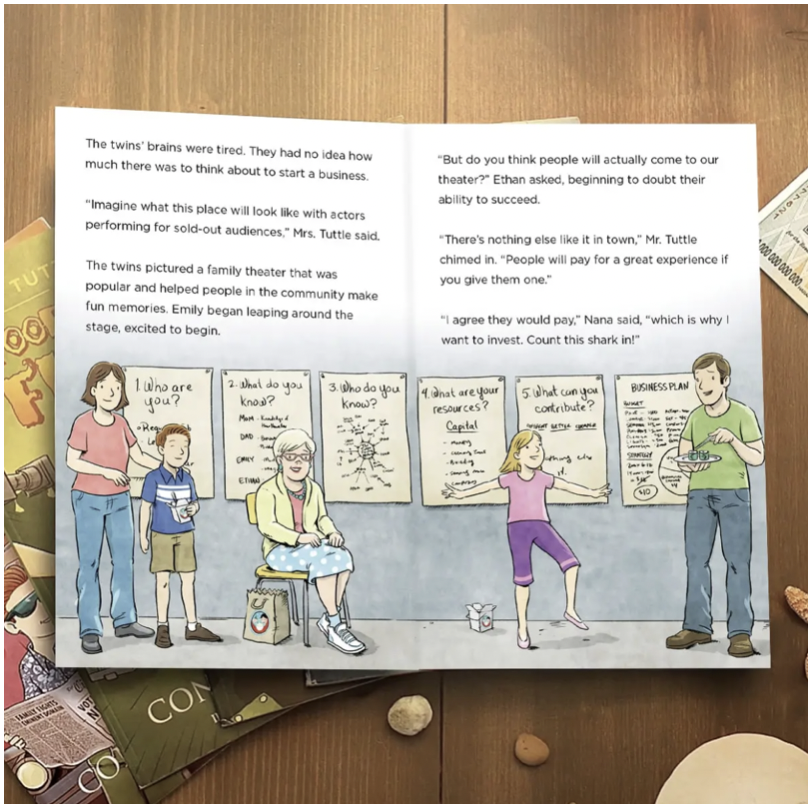
Michael Currier of Massachusetts is an unvaccinated gastroenterologist and entrepreneur, and he’s seen misinformation firsthand. He’s long been teaching his kids how to spot misinformation, but they were naturally skeptical when they didn’t hear it from anyone but him. However, the right books taught his kids how to combat misinformation, and they will teach your kids too! If you’re wondering how to raise independent thinkers who can spot misinformation, the Tuttle Twins books are essential tools for your toolbelt.
How Critical Thinking Combats Misinformation
When kids can think critically, they become able to evaluate the credibility of sources and look for evidence, also identifying their own and others’ biases. Critical thinkers don’t just passively absorb information; they take it apart piece by piece to see what makes it “tick.”
Critical thinkers question the credentials of an author or source, alongside their motivations and whether they provide supporting evidence that goes beyond just statements that require trust. Kids who can think critically also spot confirmation bias, which is the tendency to believe something that fits in well with the thinker’s current belief system or worldview. This reduces demand for fake news that simply elicits an emotional reaction.
When your kids can think critically and independently, they will also be able to spot logical fallacies, like drawing causal conclusions from data that’s simply correlational. Critical thinkers can also tell the difference between scientific evidence and someone’s opinion.
Independent, critical thinkers don’t just read a page. They look up information from other trusted sources to verify that the original source is accurate. Critical thinking also encourages a healthy skepticism that causes independent thinkers to pause and assess emotionally charged content before they spread it around, realizing that misinformation frequently exploits outrage or fear.
Critical thinkers can also recognize propaganda tactics such as loaded language, false dilemmas, and “alternative facts.”

Photo: Tuttle Twins
Seeking Out Books that Teach Critical Thinking
At this point, parents wondering how to raise independent thinkers will want to look for books that teach critical thinking, like the Tuttle Twins series. The Tuttle Twins books explain things like misinformation, freedom of speech, and even the World Economic Forum while explaining that certain people get to decide what is and isn’t misinformation.
Books that teach critical thinking don’t just present facts. They encourage kids to analyze, evaluate, and put together arguments, frequently shining a light on logical fallacies and biases while calling for active application instead of a passive taking-in of information. Books that teach critical thinking will help you with how to raise independent thinkers by guiding you and your child through reasoned questioning and requiring evidence behind facts.
The Tuttle Twins series wraps every lesson in an engaging story that doesn’t just teach the information presented. The Tuttle Twins books also encourage all the above elements found in books that teach critical thinking. You can even enhance the critical-thinking skills embedded in all the Tuttle Twins books by pausing throughout the story and asking open-ended questions such as: What do you think the character should do next? What were some alternate solutions to the problem? What do you think could have been the consequences of those solutions?
Books that teach critical thinking like the Tuttle Twins series will go a long way toward helping you learn how to raise independent thinkers. They will also help you create special moments with your kids that they’ll remember forever! Join the growing number of parents who don’t want their kids to just be passive absorbers of information.
-

 Tech5 years ago
Effuel Reviews (2021) – Effuel ECO OBD2 Saves Fuel, and Reduce Gas Cost? Effuel Customer Reviews
-
 Tech7 years ago
Bosch Power Tools India Launches ‘Cordless Matlab Bosch’ Campaign to Demonstrate the Power of Cordless
-

 Lifestyle7 years ago
Catholic Cases App brings Church’s Moral Teachings to Androids and iPhones
-

 Lifestyle5 years ago
East Side Hype x Billionaire Boys Club. Hottest New Streetwear Releases in Utah.
-

 Tech7 years ago
Cloud Buyers & Investors to Profit in the Future
-

 Lifestyle6 years ago
The Midas of Cosmetic Dermatology: Dr. Simon Ourian
-

 Health7 years ago
CBDistillery Review: Is it a scam?
-

 Entertainment7 years ago
Avengers Endgame now Available on 123Movies for Download & Streaming for Free