
Health
How a Healthy Diet Can Help You Have Clear Skin

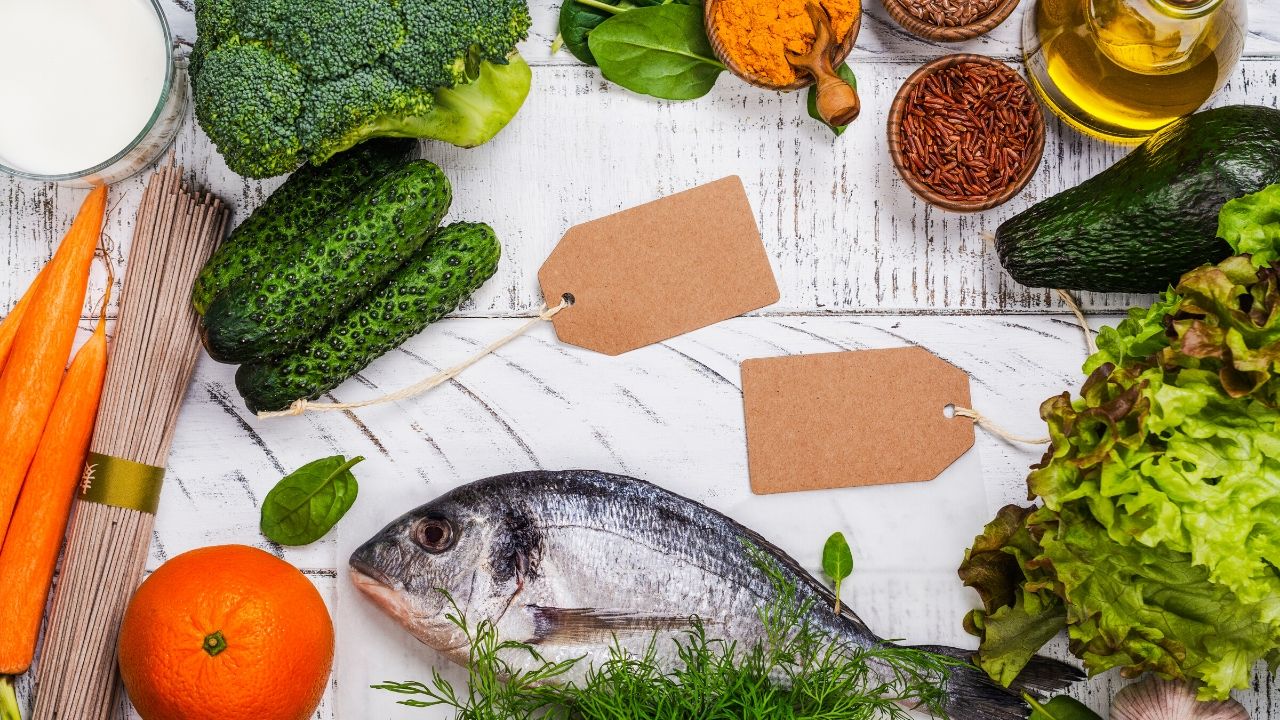
When it comes to having a healthy diet, then everyone knows that it is good for many organs of the body. One organ that most people don’t consider, particularly when it comes to diet, is the skin.
Your skin needs to be well looked after and cared for and a healthy diet is just one way that can help with this. We take a look at the best healthy foodstuffs for great-looking skin.
Fatty Fish
Everyone has heard of the benefits of eating plenty of fatty fish as this provides a great source of Omega-3. But what you might not have realised is just how good Omega-3 is for the skin. It is used by the skin to help keep it thick, supple and moisturised.
Omega-3 is a great oil for reducing inflammation and therefore having a healthy supply in your diet can help prevent inflammation caused problems with the skin, such as acne. A spot clearing gel can also help.
Avocados
Avocado fats, in particular, are associated with having healthy supply springy skin. Avocado oil contains vitamin E, potassium, lecithin and many other nutrients, that nourish and moisturize the skin. Evidence also shows that avocados contain several compounds that are associated with providing UV protection. Therefore, eating avocados can help combat the signs of ageing associated with sun damage.
Walnuts
According to dieticians, walnuts are a great source of healthy Omega-3 fats, that strengthen the membranes of the skin cells, locking in the moisture and nutrients that keep it plump and glowing as well as block all the toxins that can damage your skin. Omega-3 greatly reduces inflammation of the skin, which means: fewer breakouts.
A handful of these nuts can boost Vitamin B levels, that are responsible for keeping age related fine line and wrinkles at bay. It is worth to mention that walnuts for their anti-inflammatory properties can help decrease a risk of prostate and breast cancer.
Sweet Potatoes
Sweet Potatoes, along with other root vegetables such as carrots are an important source of Beta-Carotene. Beta-Carotene is used by the body to be converted into Vitamin A. Vitamin A is an important antioxidant that is used by the body to help keep skin healthy and remove pollutants.
Eating sweet potatoes can easily provide a large amount of the RDA of Beta-Carotene.
Red and Yellow Peppers
Speaking of a great source of Beta-Carotene, peppers also provide a decent amount of Vitamin C. Vitamin C is used by the skin to create the protein collagen. As any beautician will tell you collagen is important to keep skin firm, plump and strong.
It has been shown that eating plenty of vitamin C helps to reduce the risk of wrinkles and other skin signs of ageing.
Bottom Line
The skin is a complex organ that is exposed to all sorts of hazards on a day to day basis. However, eating a healthy diet which is high in the right vitamins and minerals that skin needs is important to help ensure that you have the best and clearest skin that you could have.
Byline: Margot Everly
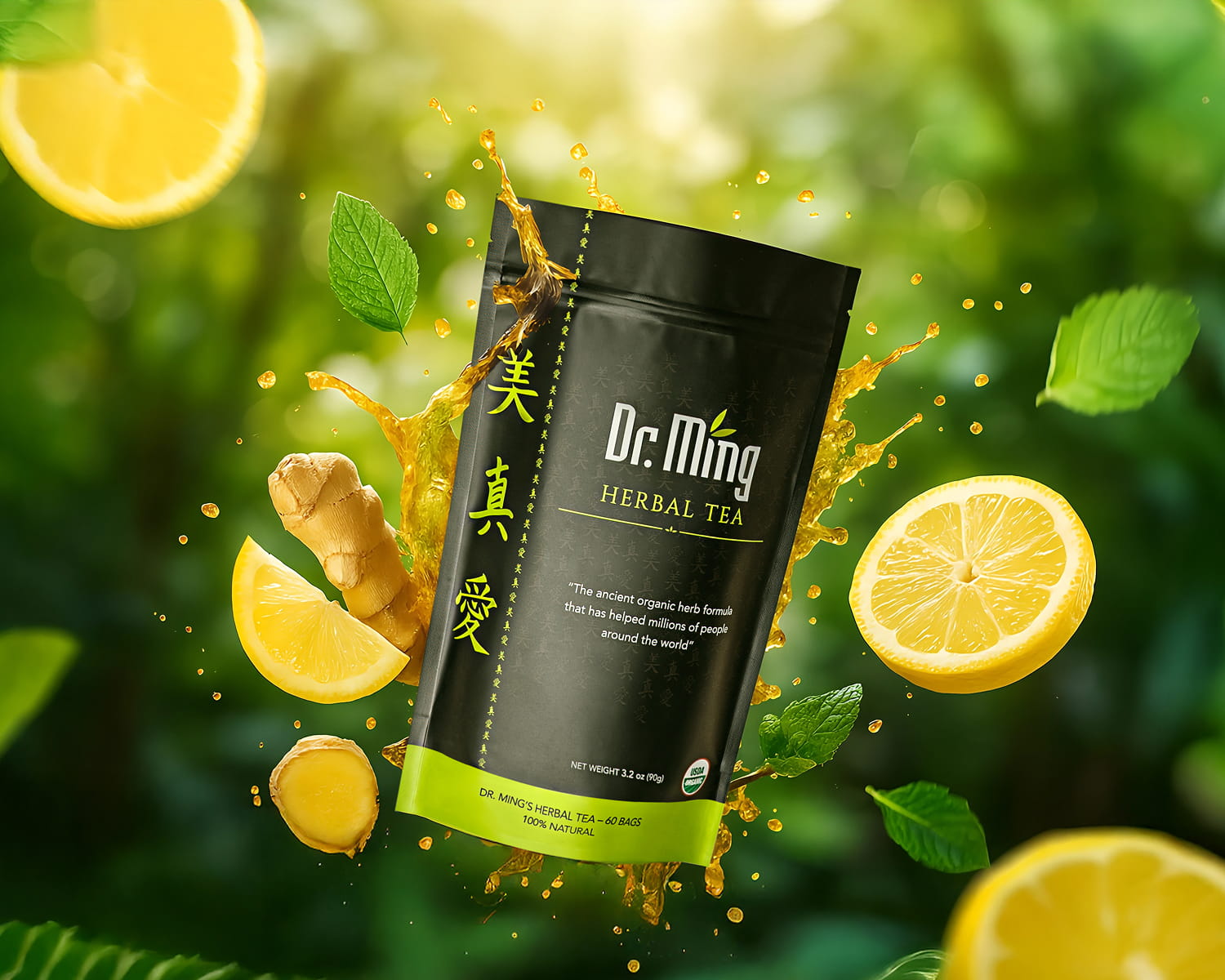
Herbal teas have long been known for their soothing qualities, but Dr. Ming’s range of products takes it a step further, providing a holistic approach to wellness through clinically tested, herbal-based solutions. With a focus on metabolism support, digestion, detoxification, and overall well-being, Dr. Ming’s teas aim to help individuals feel lighter, energized, and more balanced, all without the use of artificial additives.
The Three-Step System for Wellness
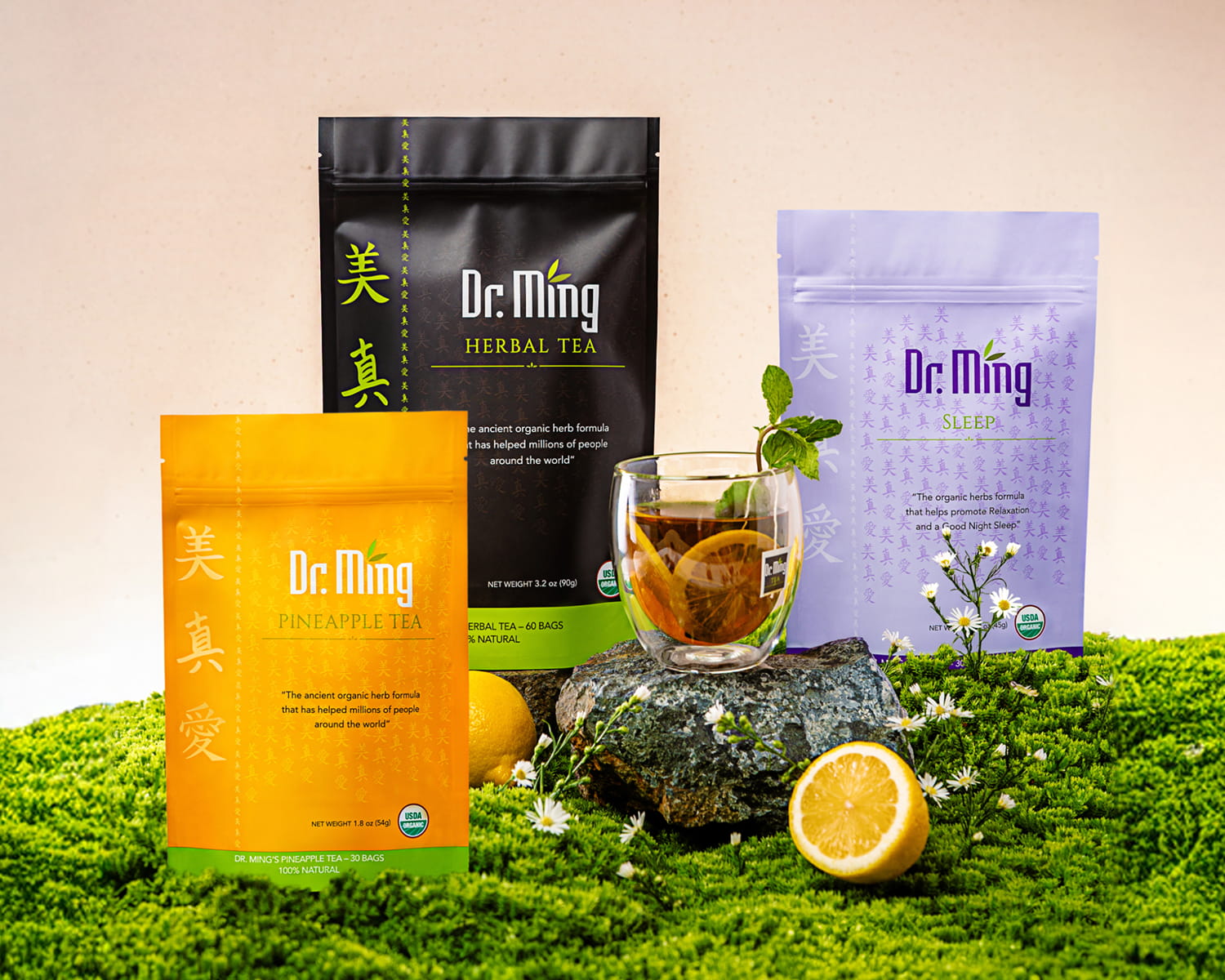
Dr. Ming’s flagship offering is its three-step tea bundle, a combination of Dr. Ming Green Tea, Pineapple Tea, and Sleep Tea, designed to work synergistically throughout the day to support various aspects of wellness. Each product targets different health concerns, starting with metabolism boosting in the morning and winding down to detoxification and restful sleep at night.
Dr. Ming Green Tea is a key part of the system. It’s designed to support digestion, fat oxidation, and energy levels by helping to accelerate metabolism naturally. “Green tea has long been recognized for its role in supporting metabolic function,” says Evelyn Chang, CEO of Dr. Ming. “Our blend enhances that effect, allowing users to feel more energized throughout the day without the need for artificial stimulants.”
Following the morning boost, Dr. Ming Pineapple Tea steps in during the afternoon. Its combination of natural ingredients works to reduce bloating and support the body’s detoxification processes. By promoting digestive health, this tea aims to make users feel lighter and more comfortable, easing the discomfort of bloating that often comes with modern diets. The final part of the system is the Sleep Tea, which helps to reduce stress, calm the mind, and promote a restful night’s sleep.
Gut Health and Digestion: A Foundation of Wellness
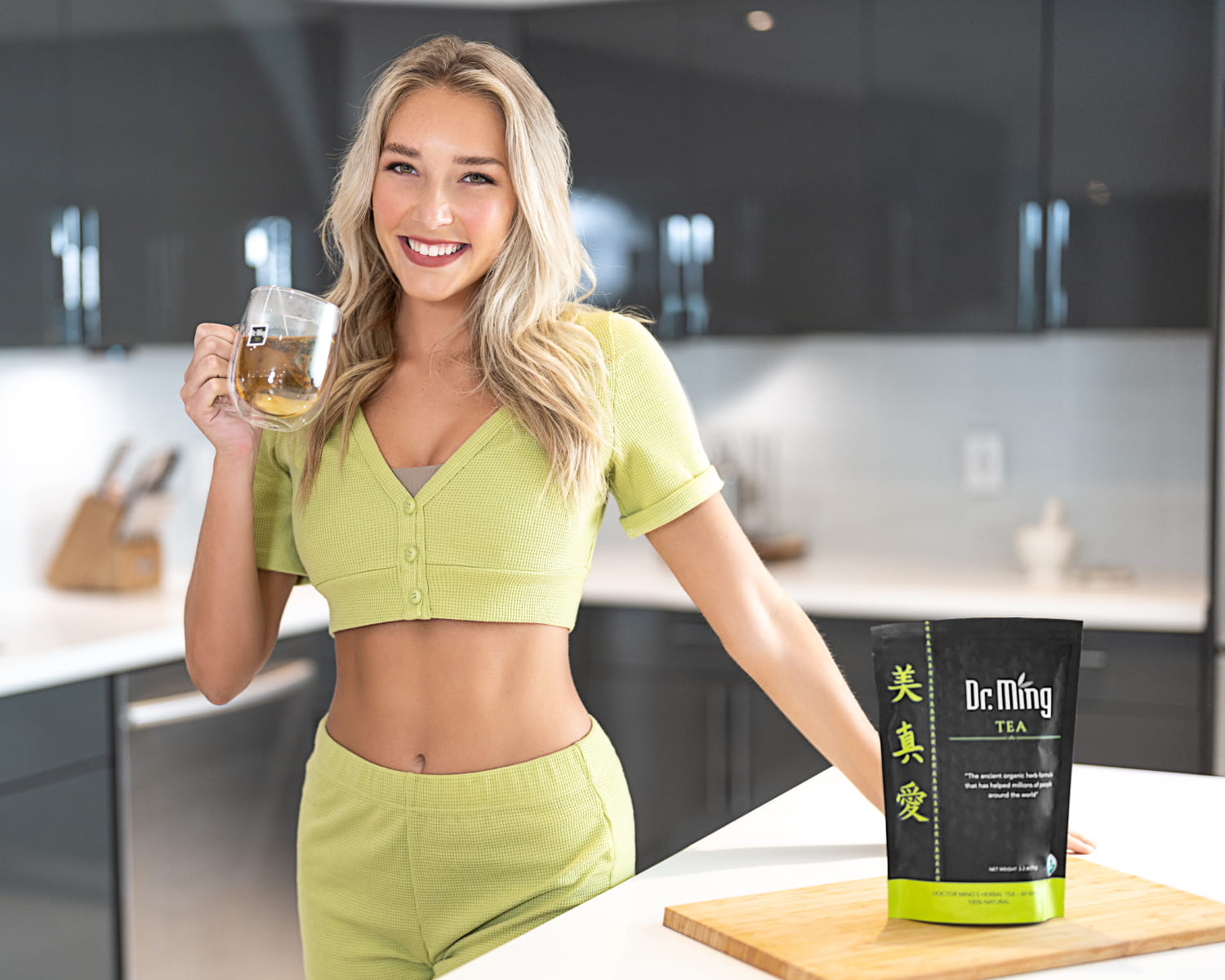
A common issue for many individuals is digestive discomfort, whether it’s bloating, sluggish digestion, or irregularity. Dr. Ming’s Pineapple Tea aims to address these concerns by offering a natural solution to support gut health. The benefits of good digestive health are numerous; it’s not only about comfort but also about the body’s ability to absorb nutrients effectively and maintain energy levels.
Chang explains, “Digestion is at the core of many of our health issues. When your digestive system is out of balance, everything else follows suit. We’ve formulated our Pineapple Tea to support the digestive process and reduce bloating, giving our customers a natural solution that helps them feel lighter, more energized, and ready to take on the day.”
Beyond the digestive benefits, the teas also play a role in the body’s natural detoxification process. Both the Pineapple Tea and the Green Tea include ingredients that help promote the elimination of toxins, contributing to the body’s overall health. This detox support is key in a lifestyle that values holistic well-being.
The Sleep Tea: Stress Relief and Better Sleep
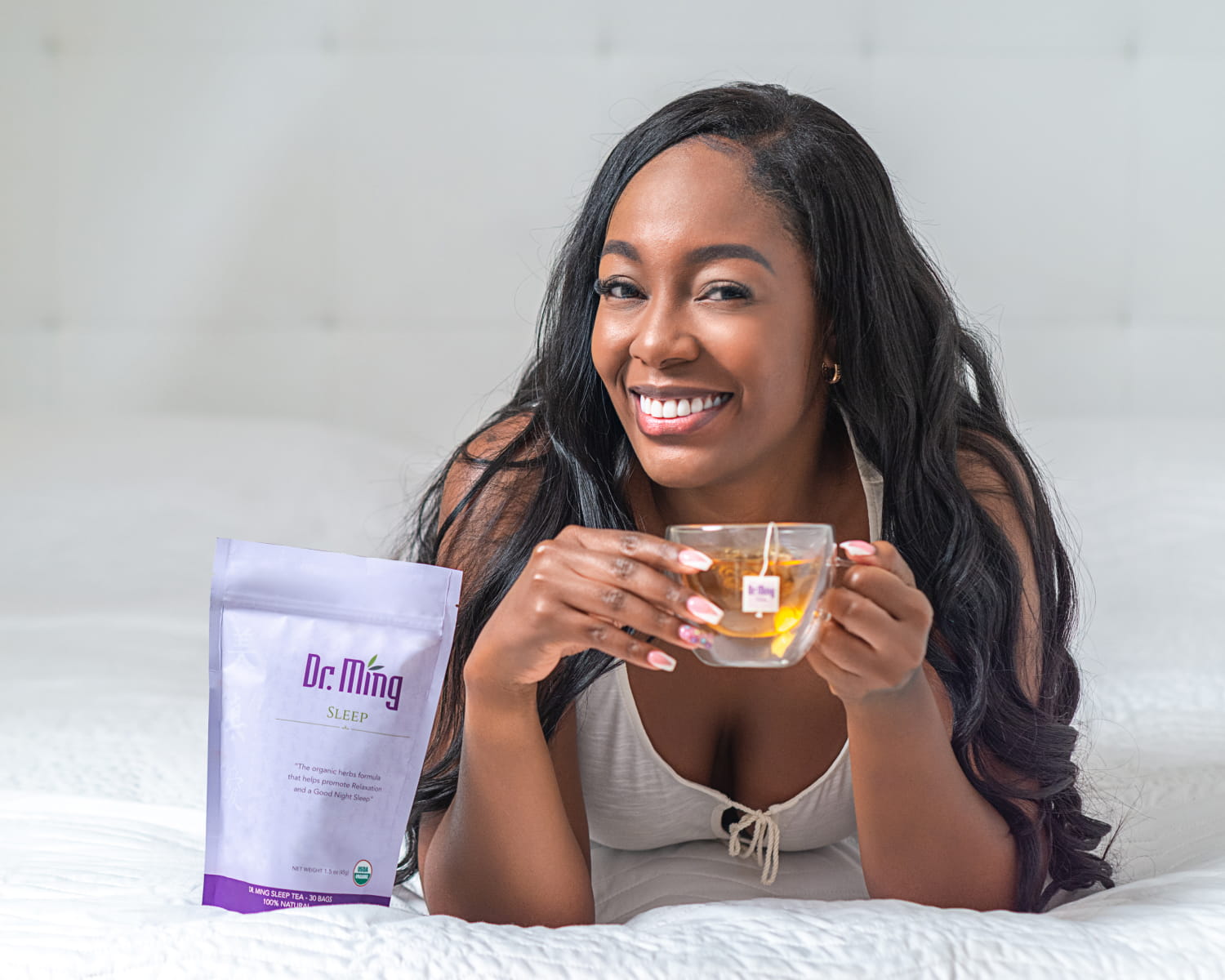
Many people struggle with getting quality sleep. Stress, anxiety, and poor sleep hygiene are common culprits, leaving individuals feeling tired and sluggish. Dr. Ming’s Sleep Tea targets this issue with ingredients designed to calm the mind and promote a deep, restorative sleep.
“This tea has been a favorite among our customers who want to unwind and improve their sleep quality,” Chang says. “We focused on creating a formula that helps people relax and destress naturally, without relying on chemicals or sleep aids that may cause dependency.”
The Sleep Tea is a gentle way to reduce anxiety, offering a natural remedy for those who find it hard to quiet their minds at the end of a busy day. By promoting relaxation, it supports the body’s ability to detoxify overnight, allowing users to wake up feeling refreshed and ready to tackle the day ahead.

A Sustainable Approach to Wellness
What sets Dr. Ming’s teas apart from other wellness products on the market is the focus on long-term, sustainable results. Unlike many quick-fix solutions that promise rapid weight loss or extreme detoxification, Dr. Ming’s teas provide a balanced approach to overall wellness.
“The goal of our products is not just to support natural body balance or gentle detox, but to help create a sustainable wellness routine that people can maintain over time,” says Chang. “We believe in helping people feel better in their bodies by offering natural solutions that integrate into daily life, rather than offering a fleeting, short-term solution.”
This strategy aligns with the growing trend of individuals seeking more sustainable, natural products that support a healthy lifestyle without relying on drastic measures. Dr. Ming’s teas are carefully formulated to be gentle, offering benefits over time without the harsh side effects often associated with other weight management and detox products.
Customer Satisfaction and Global Reach
With over a million satisfied customers worldwide, Dr. Ming has established a strong reputation for its effectiveness. Customer reviews frequently highlight the positive impact the teas have had on digestion, energy levels, and overall health. As Dr. Ming expands its reach internationally, it remains committed to delivering high-quality, natural products that align with the progressing wellness needs of its customers.
The company has recently launched a subscription service, allowing customers to receive their favorite teas delivered regularly, further simplifying the process of maintaining a healthy lifestyle. This has resonated particularly well with those who seek convenience in their wellness routines.
In a crowded market of wellness products, Dr. Ming’s holistic approach—blending the best of traditional herbal remedies with modern science—offers a refreshing alternative to those seeking a natural way to feel energized, supported, and balanced.
-

 Tech5 years ago
Effuel Reviews (2021) – Effuel ECO OBD2 Saves Fuel, and Reduce Gas Cost? Effuel Customer Reviews
-
 Tech7 years ago
Bosch Power Tools India Launches ‘Cordless Matlab Bosch’ Campaign to Demonstrate the Power of Cordless
-

 Lifestyle7 years ago
Catholic Cases App brings Church’s Moral Teachings to Androids and iPhones
-

 Lifestyle5 years ago
East Side Hype x Billionaire Boys Club. Hottest New Streetwear Releases in Utah.
-

 Tech7 years ago
Cloud Buyers & Investors to Profit in the Future
-

 Lifestyle6 years ago
The Midas of Cosmetic Dermatology: Dr. Simon Ourian
-

 Health7 years ago
CBDistillery Review: Is it a scam?
-

 Entertainment7 years ago
Avengers Endgame now Available on 123Movies for Download & Streaming for Free