
Business
How Model Michel Suarez Is Successfully Leveraging Social Media!


Social media is a double-edged sword, but one model is successfully leveraging everything social media has to offer in her rapid rise to the pinnacle of success!
There’s no denying that social media is a double-edged sword. It can cut down your enemies but used incorrectly. You’ll quickly find that it cuts you just as easily. If you want to see how one model has successfully leveraged social media, then it’s hard to look past the amazingly talented and beautiful Michel Dahyana Gaitán Suarez.
Looking fabulous is a fulltime job. You don’t just roll out of bed and eat junk food all day and end up with a face and body like Michel Suarez. It requires a healthy and nutritious diet, almost fanatical fitness regime, and dedication and commitment.
When you add those hours together with successfully running your own social media empire, you start to get a better picture of how hard being successful truly is. You can’t be successful by sitting at home on your butt just ‘thinking’ about being famous, no matter how great that butt looks!
Michel Suarez successfully runs over five social media accounts, multiple websites, and several other modeling and webcam profiles. Despite this, it hasn’t been without its challenges. She’s had to deal with fake accounts, hackers, fake profiles, and much more during her rapid rise to the top of the modeling industry.
Her one piece of advice for anyone interested in creating their own social media empire is to come up with unique, engaging, and entertaining content. Take the time to create unique and beautiful posts, and you’ll quickly start to see a rise in post engagement, traffic, and followers. It’s not going to happen overnight, but with some hard work and the right attitude, you too can find success!
If you’d like to check out Michel for yourself, then head over to Instagram and follow her @dahyn1xoficial. You can also find her on all fantastic social media channels, including Twitter @dahynxoficial, Facebook on @dahyn1oficial, and YouTube. When it comes to beautiful models, it’s hard to look past Michel Suarez!
Not too long ago, the idea of working remotely from an island in Thailand or a co-working space in Berlin sounded like the kind of fantasy only tech moguls or backpacking freelancers could afford.
Fast forward to today, and it’s as good as a global reality. Millions of professionals have cut the cord from traditional office life in exchange for flexibility, freedom, and a work-life balance that fits their personal rhythm and not their employer’s timezone.
However, as remote work has reshaped how people earn a living, it’s also pointed out the existing limits to most of the world’s financial systems. Traditional banking simply wasn’t built for a workforce that’s always on the move, operating in multiple currencies, and getting paid across borders.
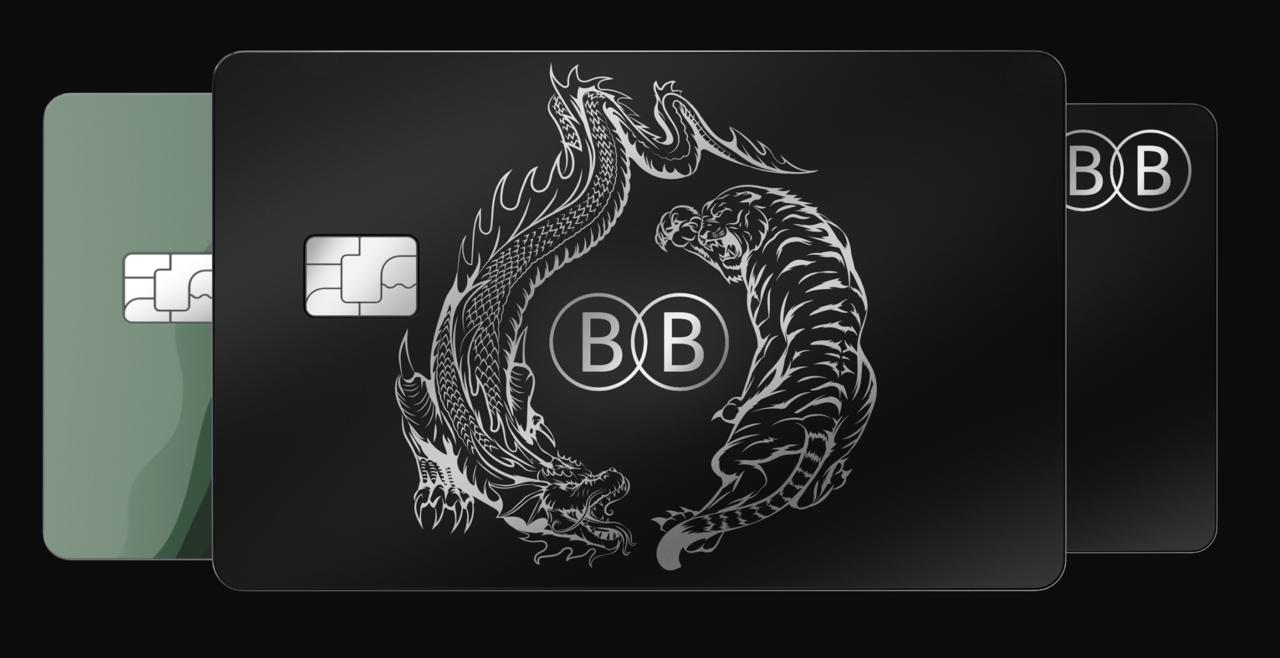
Thankfully, that’s where borderless banking like Black Banx have proven vital, and has quietly transformed the way money is managed for people vacationing and working overseas alike.
The Rise of the Remote Work Economy
Remote work isn’t just a pandemic-era trend that faded with Zoom fatigue—it’s become a defining feature of the modern workforce. A recent survey revealed that over 39% of Gen Z and Millennials planned to live and work abroad for extended periods this year, many staying six months or more in a single location. That’s beyond a short trip, and can be considered as good as a sabbatical with a substantial lifestyle shift.
According to recent estimates, the digital nomad economy now also contributes as much as US$787 billion annually to the global economy. And this isn’t just entry-level gig work. A third of digital nomads earn between US$100,000 and US$250,000, while another third take in US$50,000 to US$100,000 annually.
It is indeed evident that the manner in which many make a living has changed. Unfortunately, most financial systems haven’t kept up.
Where Traditional Banks Are Still Falling Short
For those who have ever tried to open a bank account abroad or receive payment from a foreign client, they already know the drill: the paperwork is endless, delays are frustrating, and the fees? So much to do, even for the smallest amounts of money.
Just to name few of the hurdles remote workers still face with conventional banking:
- Account setup restrictions: Need proof of residence, tax IDs, or a local job offer—things many digital nomads simply don’t have.
- Slow international transfers: Payments can take days to process, which is a nightmare when rent’s due.
- High foreign exchange fees: Currency conversions often come with steep, hidden costs.
- Limited multi-currency support: Most banks still force users to operate in a single currency, making financial planning chaotic at best.
And perhaps most tellingly, many banks have digitized their operations but haven’t personalized their services. According to Accenture’s 2025 Banking Trends Report, while digital transformation has improved efficiency, it often sacrifices the customer experience. That’s not great news for people who live outside the lines.
Borderless Banking for Professionals Across the Globe
The concept of borderless banking goes far beyond wiring money internationally. Fundamentally, it’s also about being able to eliminate the friction between people and their money, no matter where they are in the world, and maintaining an ecosystem where geography, bureaucracy, and currency don’t stand in the way of financial freedom.
A working example of this is Black Banx, a Toronto-based fintech founded by German billionaire Michael Gastauer. Since launching globally in 2015, it has grown to serve over 78 million clients in 180+ countries as of Q1 2025, proof that people take to digital banking solutions when it is accessible, affordable, and is useful in just about any locale.
In the first three months of this year, Black Banx had also earned US$4.3 billion in revenue and US$1.6 billion in pre-tax profit, more than double from the same quarter the previous year and showing it has consistently delivered tangible value to global customers—remote professionals included
How Borderless Banking Maximizes Value for Remote Workers
1. Instant Account Access—No Strings Attached
The times of hunting down local branches or collecting endless documents just to open an account are finished. With borderless banks, users can open an account in minutes using just a photo ID—no proof of address or income required. That’s a lifesaver for anyone living outside their passport country or hopping from one location to another.
2. Multi-Currency Mastery
Managing money in multiple currencies used to mean juggling several accounts—or worse, losing money on conversions. Borderless platforms like Black Banx support 28 FIAT currencies and allow real-time currency conversions at competitive rates. That means remote workers can:
- Invoice clients in one currency
- Spend or save in another
- Hedge against local currency fluctuations
- Avoid excessive conversion fees altogether
3. Seamless, Real-Time Global Payments
Getting paid late, or paying others late, isn’t just inconvenient; it can damage relationships and disrupt your cash flow. With real-time payment support, remote workers can receive funds instantly, no matter where their clients are. This is particularly valuable for freelancers and entrepreneurs juggling multiple contracts across time zones.
Plus, bulk payment features and API integration streamline processes for those running teams or businesses.
4. Built-In Crypto Options
It isn’t surprising that many digital nomads are already deep into crypto. Whether it’s for investment, faster transactions, or avoiding traditional finance red tape, crypto is becoming essential.
Since 2016, Black Banx has allowed users to send, receive, and convert crypto (like BTC and ETH) within their accounts. That integration saves users from having to manage separate crypto wallets, and adds another layer of flexibility to their financial toolkit.
5. Secure Transactions
Remote workers often log in to work from cafés, coworking spaces, and airports, to name a few. Of course, this flexibility of being able to work almost anywhere should never come at the cost of security. Borderless banks like Black Banx use end-to-end encryption, AI fraud detection, and two-factor authentication to keep accounts safe from risky elements.
Financial Freedom, Not Just Convenience
Perhaps the most overlooked benefit of borderless banking is the freedom it provides. Not just to access money, but to fully participate in the global economy. For millions of professionals in underbanked regions like Africa, Latin America, Southeast Asia, borderless banking has become a gateway to financial inclusion and a way to take on opportunities that typically wouldn’t be available to them if not remote.
By removing barriers to entry, platforms like Black Banx empower underserved individuals to both take control of their finances and increase their earning power by working with companies from higher paying markets. This democratization of finance isn’t just good for individuals, it’s good for the global economy as a whole.
As Black Banx CEO Michael Gastauer put it: “Our multi-currency solutions enable businesses to tap into global talent without worrying about payment complexities. We make cross-border transactions as seamless as local ones.”
The Road Ahead
By 2030, the number of digital nomads worldwide is expected to soar past 60 million, according to the Forbes Technology Council. That means tens of millions of workers will be navigating foreign currencies, time zones, and financial systems—all while expecting the same seamless experience they’d get at home.
Indeed, remote professionals aren’t just looking for places to work—they’re looking for systems that work for them. In a lifestyle built on flexibility, traditional banking is proving too rigid, too slow, and too expensive.
Borderless banking services like those offered by the likes of Black Banx, on the other hand, offer exactly what today’s global workforce needs: instant access, multi-currency support, real-time payments, crypto integration, and enterprise-level security—all in a streamlined experience.
-
 Tech4 years ago
Effuel Reviews (2021) – Effuel ECO OBD2 Saves Fuel, and Reduce Gas Cost? Effuel Customer Reviews
-
 Tech6 years ago
Bosch Power Tools India Launches ‘Cordless Matlab Bosch’ Campaign to Demonstrate the Power of Cordless
-
 Lifestyle6 years ago
Catholic Cases App brings Church’s Moral Teachings to Androids and iPhones
-

 Lifestyle4 years ago
East Side Hype x Billionaire Boys Club. Hottest New Streetwear Releases in Utah.
-
 Tech7 years ago
Cloud Buyers & Investors to Profit in the Future
-

 Lifestyle5 years ago
The Midas of Cosmetic Dermatology: Dr. Simon Ourian
-

 Health6 years ago
CBDistillery Review: Is it a scam?
-

 Entertainment6 years ago
Avengers Endgame now Available on 123Movies for Download & Streaming for Free