
Lifestyle
Some Insights into the world of the travelling industry


In a report issued by Grand View Research in 2019, the global luxury travel industry was expected to reach USD 2.5 trillion by 2025. Unaware of the impending COVID-19 pandemic, the final results were very devastating. The pandemic sabotaged the travel industry worldwide. As a massive drop has been observed in the pandemic, as of 2022, the travel industry has started growing again. During the pandemic, many people could not travel to new places and explore different cultures and lifestyles, leading them to get involved in watching and reading about travel influencers and their experiences in various countries in the world.
The Travel influencers archive their travel journey and provide insight and their thoughts on their trip to other parts of the world and how their experience was. This type of content helps the viewers and the readers to get knowledge about the globe and explore the world derivatively through the influencers.
Adam Vaughan – An Air Force Veteran and a travel blogger
Among those travel influencers is Adam Vaughan. He was born in Omaha, Nebraska. He is an Air Force veteran and now works at Meta as the manager for global operations. Vaughan spent the early years of his life playing baseball and soccer with his friends. He even imitated warfare in the bushes and creeks near his house. As a child, his uncle told him the stories about Ireland, which disclosed him to the world far from his land. Initially, traveling was not the point of interest in his life until he made a trip to “Des Moines, Iowa to Adventureland or Kansas City, Missouri to worlds of fun.” As an 11 years old boy, Adam was quite fascinated by the stories and myths surrounding countries like Germany, Japan, and Thailand. He joined the Air force in 1998. Adam was deployed shortly after 9/11 and began his voyage around the globe. For Vaughan, joining the Air Force started an entirely new adventure in his life. Vaughan developed an appreciation for different cultures and ways of life through his travels. Vaughan states, “throughout all my deployments to the worst areas in the world. I grew an appreciation for those who had far less, those who were affected, and those who had nothing compared to what we had.” Today, Adam doesn’t want to be a part of a career that doesn’t have traveling as an integral part.
Traveling around the world allowed Vaughan to form a subtle relationship with the global community of the world that he had previously not understood. Vaughan plans to launch a travel brand where he can share his travel experiences, offer travel recommendations, and make content related to his travel. He envisions himself becoming an advocate and an ambassador for the travel industry. His travel experiences in different parts of the world developed an opinion in him that fundamental human rights and essential civil freedom should be guaranteed to everyone regardless of gender, age, or sexual orientation. With his travel blogs, Vaughan believes in displaying the problems and the wonderments around the world, and he believes that through his traveling experiences, he can make a substantial positive impact on the planet.
Vaughan developed a deeper understanding of the world around him through his exposure to different cultures. He mentioned that his time in the Air Force urged him to explore the globe, take every advantage it offers, and educate himself thoroughly on the cultures of as many countries as possible. Adam is an inspirational individual who continues to spread positivity and travel inspiration through his Instagram posts. Apart from traveling, Adam has several other interests. He is an avid fitness fanatic. Having played soccer, football, and baseball, it was only natural that a lifelong athlete like himself would pick up an activity like Peloton at one point in his life.
On the road to building a brand that focuses on the hidden gems of traveling across the globe, Adam continually strives to scale his following and exhibit what he offers to more people. His content is well-documented, like a simulated journal that follows his adventures that gives his audience a glimpse into the world he explores on his trip. Adam Vaughan developed a profound love for travel, culture, history, and new experiences thanks to his time in the Air Force. This passion drives and motivates him, and thanks to his position in Meta, he can travel as a job requirement.
Vaughan loves the experiences and sense of wonder he gets from traveling the world and will soon release a travel blog. In the blog, he will be sharing his vast experiences with others so they can feel the same sense of joy that Vaughan feels thanks to travel. He believes his visual storytelling will lure people into traveling, discover what the world has to offer, and invite them to experience cultures more personally and in a meaningful way. Vaughan strives to give the western audience exposure to lifestyles and cultures so separate from their own. Vaughan’s contributions bridge the gap and increase visibility for marginalized and, often unrepresented, communities.
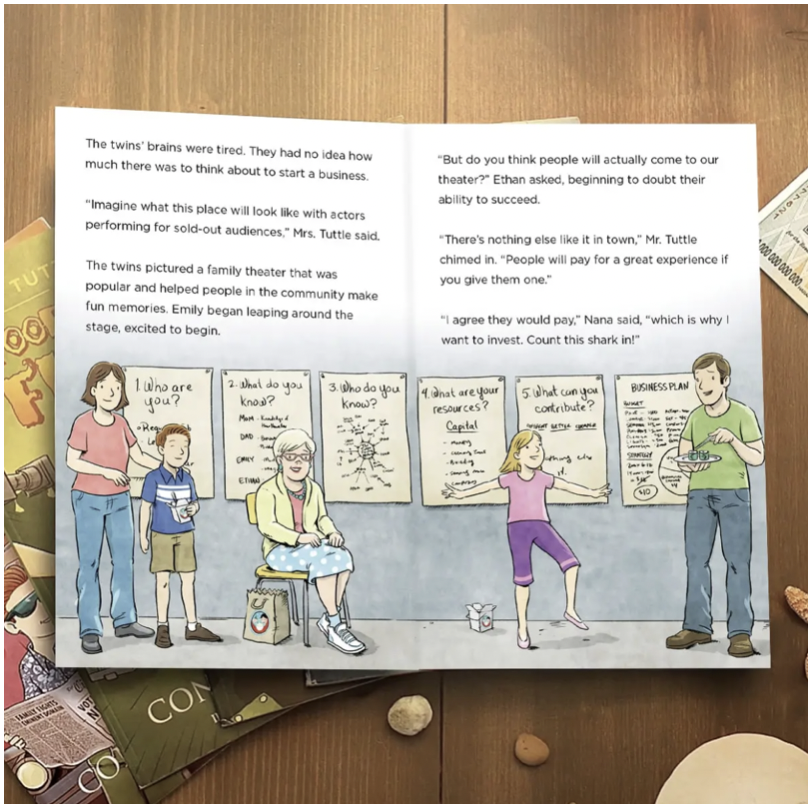
Michael Currier of Massachusetts is an unvaccinated gastroenterologist and entrepreneur, and he’s seen misinformation firsthand. He’s long been teaching his kids how to spot misinformation, but they were naturally skeptical when they didn’t hear it from anyone but him. However, the right books taught his kids how to combat misinformation, and they will teach your kids too! If you’re wondering how to raise independent thinkers who can spot misinformation, the Tuttle Twins books are essential tools for your toolbelt.
How Critical Thinking Combats Misinformation
When kids can think critically, they become able to evaluate the credibility of sources and look for evidence, also identifying their own and others’ biases. Critical thinkers don’t just passively absorb information; they take it apart piece by piece to see what makes it “tick.”
Critical thinkers question the credentials of an author or source, alongside their motivations and whether they provide supporting evidence that goes beyond just statements that require trust. Kids who can think critically also spot confirmation bias, which is the tendency to believe something that fits in well with the thinker’s current belief system or worldview. This reduces demand for fake news that simply elicits an emotional reaction.
When your kids can think critically and independently, they will also be able to spot logical fallacies, like drawing causal conclusions from data that’s simply correlational. Critical thinkers can also tell the difference between scientific evidence and someone’s opinion.
Independent, critical thinkers don’t just read a page. They look up information from other trusted sources to verify that the original source is accurate. Critical thinking also encourages a healthy skepticism that causes independent thinkers to pause and assess emotionally charged content before they spread it around, realizing that misinformation frequently exploits outrage or fear.
Critical thinkers can also recognize propaganda tactics such as loaded language, false dilemmas, and “alternative facts.”
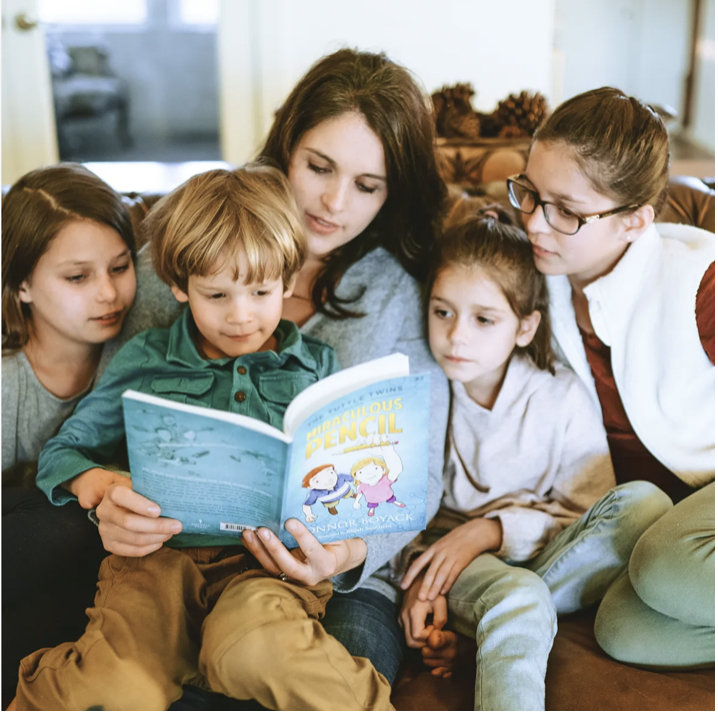
Photo: Tuttle Twins
Seeking Out Books that Teach Critical Thinking
At this point, parents wondering how to raise independent thinkers will want to look for books that teach critical thinking, like the Tuttle Twins series. The Tuttle Twins books explain things like misinformation, freedom of speech, and even the World Economic Forum while explaining that certain people get to decide what is and isn’t misinformation.
Books that teach critical thinking don’t just present facts. They encourage kids to analyze, evaluate, and put together arguments, frequently shining a light on logical fallacies and biases while calling for active application instead of a passive taking-in of information. Books that teach critical thinking will help you with how to raise independent thinkers by guiding you and your child through reasoned questioning and requiring evidence behind facts.
The Tuttle Twins series wraps every lesson in an engaging story that doesn’t just teach the information presented. The Tuttle Twins books also encourage all the above elements found in books that teach critical thinking. You can even enhance the critical-thinking skills embedded in all the Tuttle Twins books by pausing throughout the story and asking open-ended questions such as: What do you think the character should do next? What were some alternate solutions to the problem? What do you think could have been the consequences of those solutions?
Books that teach critical thinking like the Tuttle Twins series will go a long way toward helping you learn how to raise independent thinkers. They will also help you create special moments with your kids that they’ll remember forever! Join the growing number of parents who don’t want their kids to just be passive absorbers of information.
-

 Tech5 years ago
Effuel Reviews (2021) – Effuel ECO OBD2 Saves Fuel, and Reduce Gas Cost? Effuel Customer Reviews
-
 Tech7 years ago
Bosch Power Tools India Launches ‘Cordless Matlab Bosch’ Campaign to Demonstrate the Power of Cordless
-

 Lifestyle7 years ago
Catholic Cases App brings Church’s Moral Teachings to Androids and iPhones
-

 Lifestyle5 years ago
East Side Hype x Billionaire Boys Club. Hottest New Streetwear Releases in Utah.
-

 Tech7 years ago
Cloud Buyers & Investors to Profit in the Future
-

 Lifestyle6 years ago
The Midas of Cosmetic Dermatology: Dr. Simon Ourian
-

 Health7 years ago
CBDistillery Review: Is it a scam?
-

 Entertainment7 years ago
Avengers Endgame now Available on 123Movies for Download & Streaming for Free