
Entertainment
Upton Bass – Ending The Usual Struggles Of Musical Artists

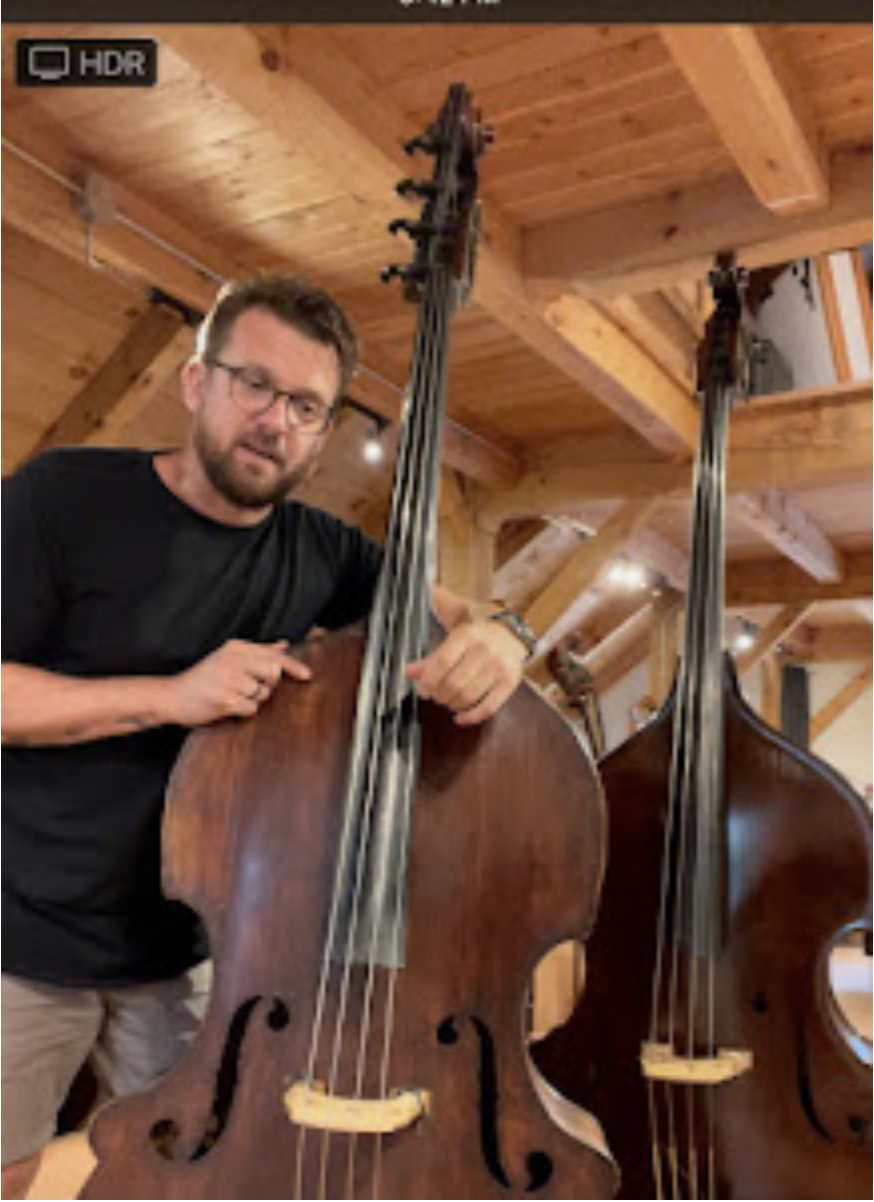
Music has a rich history as old as time itself. Dating all the way to the time of ancient Greek musical performances have been the shining stars of any royal or dignified gathering. Kings and emperors have always been on the lookout for musical talents that can provide them with optimum entertainment. Creating musical masterpieces requires the artist to be driven to perfect the art. It entails putting in long hours of hard work to groom one’s musical talent. However, another imperative factor is overlooked when gauging someone’s musical talent.
Similar to how the performance of a professional race car driver is dependent on the type of car driven, a musician’s performance is also greatly influenced by the quality of instrument used by them. Keeping their instruments in immaculate condition is crucial to perform at their best for any artist. But maintaining one’s instrument is easier said than done. A musical instrument is a delicate tool that requires the touch of a professional. Not everyone can mend and perform maintenance on such delicate tools, and instruments of the stringed nature are even more so hard to tend to. Artists have always experienced difficulty finding a quality contact that can care for their instruments with top-notch quality. Upton Bass is one company putting an end to the constant troubles and struggles of the artists regarding their instrument maintenance in the sting instrument industry.
The only one who can understand a professional’s true troubles is a similar professional of a relevant field. Unbeknownst to many people maintaining and retaining musical instruments is a field where very few flourish. Tending to musical instruments is a field of work that one cannot master by only going through company-mandated training. One can only become a master of this trade after spending some time surrounded by this melodious art.
Gary Upton founded Upton Bass in 1999. After spending some time as an accomplished bassist, Gary observed a key issue in the industry for similar bassists and other artists like him. A recognized artist had a pre-determined schedule, usually with performances scheduled to cover the complete year. However, problems and mishaps always arise at the most inconvenient time for an artist. After playing with their preferred instruments for a long time, each performer becomes familiar with them and tries to avoid replacing them. Gary understood the troubles of an artist having to face them on numerous occasions and decided to provide a way to lessen the burdens of a musical artist. After its founding, Upton Bass String Instrument Company provided a place where artists could expect their instruments to get the care they keep using them. Affordability was a trait Upton Bass boasted off. They prided themselves in providing instrument maintenance and upgrading the instruments at very affordable prices.
The business started its operations from their first-ever shop that was located in Jewett City, CT. Immediately after starting, the business experienced a huge surge in business. As Gary was famous in the music industry, the news of him starting a maintenance and sales shop spread fast and reached the ears of various active performers. Knowing that he would provide the quality of service they search for as a fellow artist, Upton Bass soon became the number one choice of service provider for many musical professionals. As the business grew, so did the need for a more hands-on deck, and Upton Bass moved to a bigger location in Downtown Mystic, CT, in 2004. After some time there, they again experienced the need to add to their small family of instrument maintenance professionals and therefore shifted to an industrial park in Stonington, CT. Although providing an adequate work environment, their new location did not sit well with Gary and his business partners. Although functional, the location lacked a certain charm and nuance that was the essence of their business. Therefore they continued operations temporarily while actively looking for a location that had that spark they were looking for. After searching high and low, the answers that ultimately came to them were rather obvious and convenient for the owners. The property owned by Gary and his wife included an old barn that was once a thriving industrial site. All partners agreed that this location would be convenient and provide a suitable environment where their business could flourish. The company moved to its new home location after making required renovations in October 2013.
Currently, Upton Bass employs ten employees, out of which eight are working full-time and two part-time. For the superior quality of service Upton Bass has received many notable mentions and awards such as the 2009 Silver Medal for best overall tone by the International Society of Bassists and the 2013 Certificate of workmanship by the International Society of Bassists. Upton Bass was founded with a goal to eliminate all the day-to-day hurdles an artist has to face providing ease of accessibility and affordance for all.


Too many talented musicians spend the early years of their careers standing still, waiting. Waiting for the “right” gig. Waiting to be discovered. Waiting until they feel completely ready. But while they hesitate, others with less experience but more urgency are out there taking the jobs, building connections, and gaining ground.
Sarah Angel has seen this happen again and again. A successful live entertainer and founder of Posh Piano, she didn’t wait for a perfect opportunity to appear; she built her career by saying yes to what was already in front of her.
Sarah’s journey didn’t begin with a business plan. It began on stage, performing at corporate gigs and high-end events. For a while, she did what many musicians do: she showed up, played the set, and collected the paycheck. But the turning point came when she realized how much more others were earning off her talent. While she was being paid a small cut, the booker was making thousands. That gap shifted everything. She didn’t get angry, she got to work.
Sarah learned to run sound, bought her own equipment, built piano shells to give her setup a polished look, and began booking directly. Before each event, she would spend hours hauling gear and setting up the space herself. She didn’t wait for anyone to hand her a better gig; she created it. That same mindset carries into how she mentors and advises young musicians today.
For Sarah, one of the biggest traps new performers fall into is comparison. Instead of focusing on their own style and voice, they mimic what’s already out there. But copying someone else won’t lead to a sustainable career. What matters most is figuring out what makes you different and building on that. Your individuality is not a risk; it’s the foundation of your career.
Equally important, she says, is learning to say yes more often. Not every opportunity will be glamorous or well-paid. But every job is a chance to meet someone new, gain experience, or get your name in front of people who can open doors down the road.
This is where so many early careers stall, not because of a lack of talent, but because of hesitation. When performers constantly hold out for something better, they miss what’s right in front of them. Taking one job often leads to five more. And even if a gig doesn’t seem ideal at first, it often brings value in ways that are not obvious right away.
Sarah compares it to building momentum. Each job adds to your experience, your network, and your visibility. It’s not just about stacking performances, it’s about putting yourself in motion. The more active you are, the more people think of you when opportunities come up. That kind of consistency can’t be faked, and it can’t be replaced with a few viral moments online.
Another common challenge she sees is indecision. Musicians who spend too much time analyzing every offer often lose out on real growth. Taking action, even imperfectly, leads to more progress than standing still. Not every gig will be a perfect fit, but most will teach you something valuable.
Over the years, Sarah has also learned to be intentional about who she surrounds herself with. She chooses to work with musicians who are not just talented, but reliable, respectful, and open to learning. Attitude often matters more than technical skill. It’s easier to grow as a musician than to fix a lack of work ethic.
Sarah Angel’s career didn’t come from waiting or wishing. It came from working. She showed up, learning as she went, and made smart choices when it counted. The music industry doesn’t reward perfection, it rewards presence, action, and growth over time.
If you are serious about building a career in music, start with what’s in front of you. Take the gig. Meet the people. Build a life. One step at a time.
-

 Tech5 years ago
Effuel Reviews (2021) – Effuel ECO OBD2 Saves Fuel, and Reduce Gas Cost? Effuel Customer Reviews
-
 Tech7 years ago
Bosch Power Tools India Launches ‘Cordless Matlab Bosch’ Campaign to Demonstrate the Power of Cordless
-

 Lifestyle7 years ago
Catholic Cases App brings Church’s Moral Teachings to Androids and iPhones
-

 Lifestyle5 years ago
East Side Hype x Billionaire Boys Club. Hottest New Streetwear Releases in Utah.
-

 Tech7 years ago
Cloud Buyers & Investors to Profit in the Future
-

 Lifestyle6 years ago
The Midas of Cosmetic Dermatology: Dr. Simon Ourian
-

 Health7 years ago
CBDistillery Review: Is it a scam?
-

 Entertainment7 years ago
Avengers Endgame now Available on 123Movies for Download & Streaming for Free