
Lifestyle
What to Do If You’ve Been Injured Due To Negligence


If you or somebody you know has been injured due to the negligence of another, certain steps should be taken in order to ensure that your rights are protected. The most important thing to do is seek medical attention as soon as possible. Once you have received the necessary medical treatment, you should contact a personal injury lawyer to discuss your legal options.
What is Negligence?
In order to understand when you can sue for negligence, it is first important to understand what negligence is. Negligence is a failure to use reasonable care that results in injury or damage. In other words, negligence occurs when someone fails to take proper precautions and harms another person.
There are four elements that must be met for a finding of negligence: duty, breach of duty, causation, and damages. The first element, duty, requires that the defendant owed the plaintiff a duty of care. The second element, breach of duty, means that the defendant breached this duty by failing to act as a reasonably prudent person would have under similar circumstances. The third element, causation, requires that the plaintiff would not have been injured but for the defendant’s negligent conduct. And finally, damages require that the plaintiff actually sustained some type of injury or losses as a result of the defendant’s negligence.
Steps To Follow After You’ve Been Injured
You may be wondering what to do if you or a loved one has been injured due to the negligence of another. The first step is to understand that you may be entitled to damages. To help you understand this process, our personal injury lawyers have outlined what you need to know about being injured due to negligence.
1. Seek Medical Attention
If you have been injured, it is important to seek medical attention immediately. Even if your injuries seem minor, it is always better to avoid caution and get checked out by a medical professional. In some cases, injuries that initially seem minor can turn out to be much more serious than initially thought.
2. Contact a Personal Injury Lawyer
After you have received medical treatment, you should contact a personal injury lawyer to discuss your legal options. An experienced trip and fall lawyer will be able to advise you on the best course of action, and will fight tirelessly to ensure that you are compensated for your injuries.
3. File a Claim
If you decide to pursue legal action, you will need to file a claim against the negligent party. This claim will detail the injuries that you have suffered and will request compensation for medical bills, lost wages, and pain and suffering.
4. Go to Court (If Necessary)
In some cases, insurance companies will refuse to give victims the compensation they deserve. If this happens, the case will likely go to court, where a judge or jury will determine how much the victim should receive.
5. Get compensated!
After all is said and done, if you’ve been injured due to somebody else’s negligence, you deserve to be compensated for your injuries. By following the steps outlined above, you can help ensure that this happens.
Types of Damages That May Be Recovered
If a plaintiff is successful in proving negligence, they may be able to recover both economic and non-economic damages. Economic damages are those that can be quantified with a dollar amount and typically include medical expenses and lost wages. Non-economic damages are more difficult to quantify and may include pain and suffering or emotional distress.
In some cases, punitive damages may also be available. Punitive damages are meant to punish defendants who have engaged in particularly egregious behavior and are only awarded in exceptional cases.
Determining whether or not you have a case can be complicated, and it is always best to consult with an experienced personal injury attorney who can evaluate the specific facts of your situation and advise you accordingly.
Final Thoughts
No one ever expects to be injured due to the negligence of another person or entity—such as a company or government agency. But unfortunately, accidents happen every day, and innocent people often suffer because of them. If you or somebody close to you has been injured due to negligence, it is important that you take immediate action in order to protect your rights. By following the steps outlined in this blog post, you can help ensure that justice is served and that you receive the compensation you deserve.”
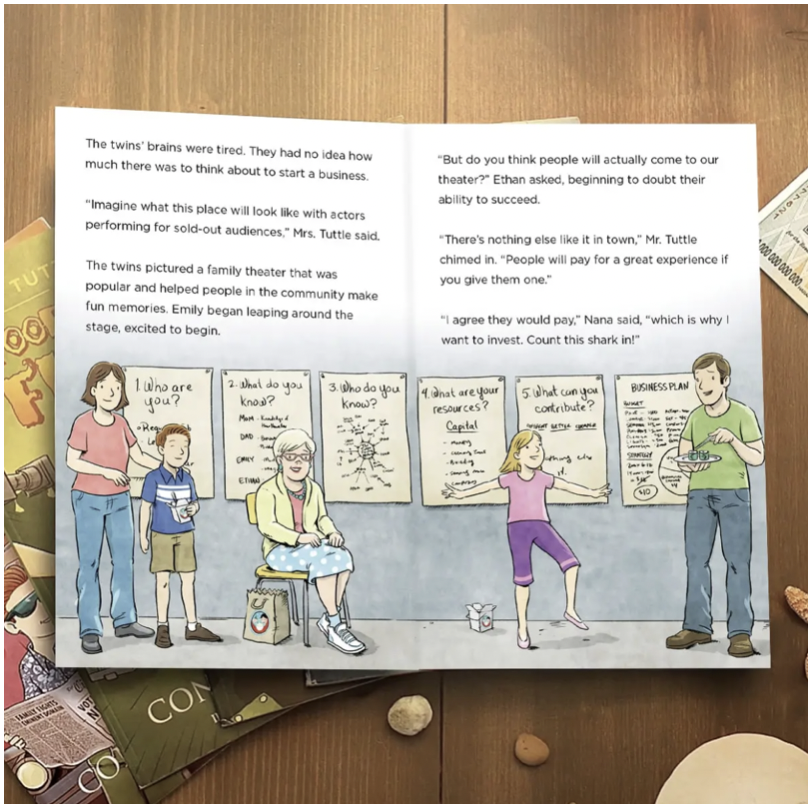
Michael Currier of Massachusetts is an unvaccinated gastroenterologist and entrepreneur, and he’s seen misinformation firsthand. He’s long been teaching his kids how to spot misinformation, but they were naturally skeptical when they didn’t hear it from anyone but him. However, the right books taught his kids how to combat misinformation, and they will teach your kids too! If you’re wondering how to raise independent thinkers who can spot misinformation, the Tuttle Twins books are essential tools for your toolbelt.
How Critical Thinking Combats Misinformation
When kids can think critically, they become able to evaluate the credibility of sources and look for evidence, also identifying their own and others’ biases. Critical thinkers don’t just passively absorb information; they take it apart piece by piece to see what makes it “tick.”
Critical thinkers question the credentials of an author or source, alongside their motivations and whether they provide supporting evidence that goes beyond just statements that require trust. Kids who can think critically also spot confirmation bias, which is the tendency to believe something that fits in well with the thinker’s current belief system or worldview. This reduces demand for fake news that simply elicits an emotional reaction.
When your kids can think critically and independently, they will also be able to spot logical fallacies, like drawing causal conclusions from data that’s simply correlational. Critical thinkers can also tell the difference between scientific evidence and someone’s opinion.
Independent, critical thinkers don’t just read a page. They look up information from other trusted sources to verify that the original source is accurate. Critical thinking also encourages a healthy skepticism that causes independent thinkers to pause and assess emotionally charged content before they spread it around, realizing that misinformation frequently exploits outrage or fear.
Critical thinkers can also recognize propaganda tactics such as loaded language, false dilemmas, and “alternative facts.”

Photo: Tuttle Twins
Seeking Out Books that Teach Critical Thinking
At this point, parents wondering how to raise independent thinkers will want to look for books that teach critical thinking, like the Tuttle Twins series. The Tuttle Twins books explain things like misinformation, freedom of speech, and even the World Economic Forum while explaining that certain people get to decide what is and isn’t misinformation.
Books that teach critical thinking don’t just present facts. They encourage kids to analyze, evaluate, and put together arguments, frequently shining a light on logical fallacies and biases while calling for active application instead of a passive taking-in of information. Books that teach critical thinking will help you with how to raise independent thinkers by guiding you and your child through reasoned questioning and requiring evidence behind facts.
The Tuttle Twins series wraps every lesson in an engaging story that doesn’t just teach the information presented. The Tuttle Twins books also encourage all the above elements found in books that teach critical thinking. You can even enhance the critical-thinking skills embedded in all the Tuttle Twins books by pausing throughout the story and asking open-ended questions such as: What do you think the character should do next? What were some alternate solutions to the problem? What do you think could have been the consequences of those solutions?
Books that teach critical thinking like the Tuttle Twins series will go a long way toward helping you learn how to raise independent thinkers. They will also help you create special moments with your kids that they’ll remember forever! Join the growing number of parents who don’t want their kids to just be passive absorbers of information.
-

 Tech5 years ago
Effuel Reviews (2021) – Effuel ECO OBD2 Saves Fuel, and Reduce Gas Cost? Effuel Customer Reviews
-
 Tech7 years ago
Bosch Power Tools India Launches ‘Cordless Matlab Bosch’ Campaign to Demonstrate the Power of Cordless
-

 Lifestyle7 years ago
Catholic Cases App brings Church’s Moral Teachings to Androids and iPhones
-

 Lifestyle5 years ago
East Side Hype x Billionaire Boys Club. Hottest New Streetwear Releases in Utah.
-

 Tech7 years ago
Cloud Buyers & Investors to Profit in the Future
-

 Lifestyle6 years ago
The Midas of Cosmetic Dermatology: Dr. Simon Ourian
-

 Health7 years ago
CBDistillery Review: Is it a scam?
-

 Entertainment7 years ago
Avengers Endgame now Available on 123Movies for Download & Streaming for Free