
Health
What you need to know before undergoing cosmetic surgery?


By Michael Saul, Partner at Cosmetic Surgery Solicitors
Cosmetic surgery, a subspecialty of plastic surgery that covers both surgical and nonsurgical procedures, changes your appearance by altering or reshaping parts of your body that function normally but don’t look the way you want. Itmay seem like a quick cure to enhance your appearance or help you get in better physical shape to have cosmetic surgery. Cosmetic surgery, however, has a number of drawbacks and hazards.
Here is what you should know if you are thinking about getting cosmetic surgery.
Factors to consider
Before you proceed with cosmetic surgery, consider:
Your expectations. When thinking about the results of your cosmetic surgery expect growth rather than perfection. You’re going to be let down if you think surgery will automatically make you a Hollywood star. Surgery won’t help you get a promotion, repair a strained relationship, or enhance your social life.
Expense. Most health insurance companies do not provide coverage for cosmetic surgery. The price might range from hundreds to thousands of pounds depending on the treatment. Consider the price of any extra operations or follow-up care as well.
Risks. Any kind of cosmetic surgery can leave you unsatisfied. Also possible are surgical side effects, such as severe bleeding or an infection at the surgical site.
Recovery. You may require several weeks or even months to recover after cosmetic surgery. Recognize any potential physical side effects as a necessary part of your rehabilitation, as well as any potential effects the surgery may have on your personal and professional life.
In order to reduce the chance of difficulties, your doctor may also advise you to stop smoking around a month prior to surgery and while you are recovering.
Find a safe surgeon
If you have decided to undergo a cosmetic procedure, deciding who will carry out that surgery should be the first thing that you think of after your initial decision. Many people often fall victim to poor cosmetic surgery practices and suffer as a result of cosmetic surgeons carrying out malpractice.
Book a consultation
Before deciding on your surgeon, always schedule a consultation with the person who will do the treatment.
Ask them:
- How many times they have carried out these treatments
- What training and credentials they possess
- If they are a part of a recognised professional organisation that demonstrates that they have the necessary education and experience
- About the procedure’s most frequent side effects
- Who will take care of you and what kind of aftercare you may expect
- What to do if anything goes wrong or the outcome doesn’t satisfy you
- How much it will cost and whether additional fees will apply for any necessary follow-up care
The doctor should explain to you in detail what the procedure entails, including:
- The process of the procedure
- How long will it take
- If anaesthesia is required
Additionally, they ought to explain to you what to anticipate following the operation, including:
- What suffering you might anticipate afterwards
- The length of time necessary for recovery
- The possible dangers and difficulties
- The length of time the effects will last
- What to expect from your appearance following the operation
After the consultation
After your consultation, your doctor should give you some time to consider whether you want to proceed with the surgery.
A booklet from the company that makes the product the surgeon will use would be a good piece of information to ask them for, so you can consult the document and educate yourself about the product beforehand.
Take your time
One last piece of advice to consider before you commit to any surgical or non-surgical cosmetic procedures is to take your time. The official advice is to take at least two weeks of ‘cooling off’ time before committing to surgery following your consultation.
The impact of surgery can last a lifetime, and it is essential to carefully complete all of your research and fully consider your options before committing to an operation that could profoundly affect your physical, financial or emotional wellbeing.
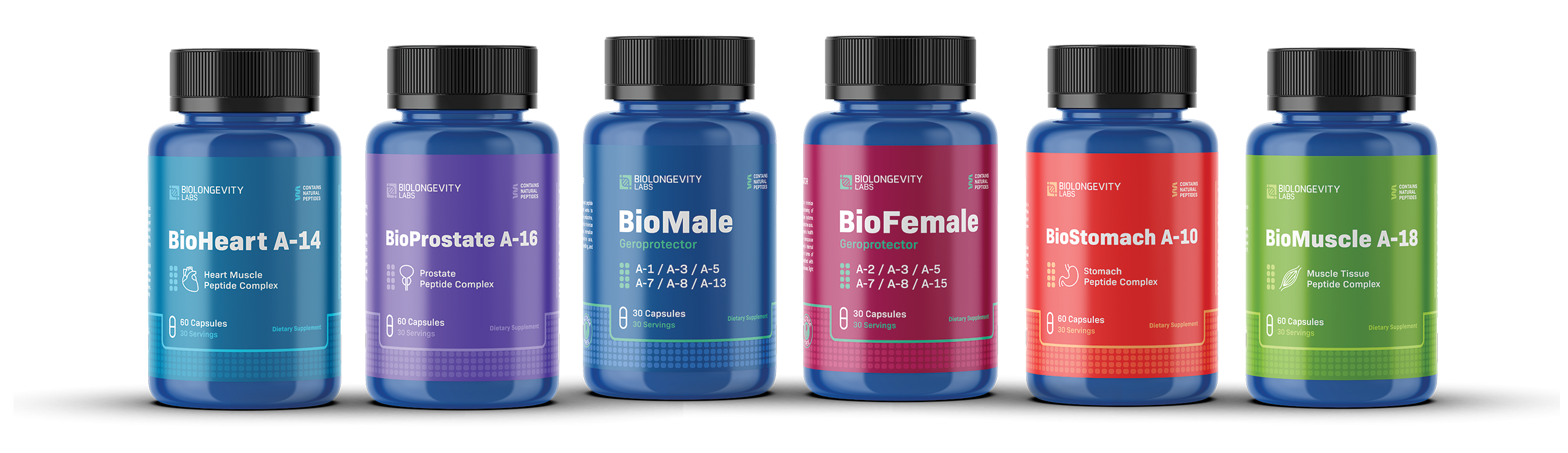
Humans have been looking for ways to extend their lifespan for hundreds of years. Medicine has made impressive strides, but for many, the effects of aging are still painfully real.
Through BioLongevity Labs, biohackers and entrepreneurs Jay Campbell and Josh Felber aim to introduce ordinary people to potentially life-changing compounds called peptides. Campbell and Felber come from very different backgrounds.
Campbell is a five-time international bestselling author and globally recognized leader in the health-optimization space. Felber is a serial entrepreneur who excels at scaling businesses.
For both men, BioLongevity Labs is more than just a business venture — it’s about helping everyday people discover something that just might prolong and improve their lives.
“Your body inevitably changes as the years pile on,” says Campbell. “Your energy drops, and wrinkles start showing up uninvited. Peptides can change everything.”
Many people have probably heard the term “peptide” in passing. Some may know they’re associated with longevity. Most people just don’t have a strong grasp of how they work.
A peptide is a short chain of amino acids, which are the building blocks of proteins. Essentially, peptides are like shorter, simpler proteins. That might sound unremarkable, but the real magic of peptides lies in how they work.
They function as signaling or “messenger” molecules telling the body to perform specific functions. Many peptides function similarly to hormones. A relevant example is GLP-1 (glucagon-like peptide-1) receptor agonists. This class of medications includes semaglutide and tirzepatide, two wildly popular weight-loss drugs.
“These peptides aren’t just another biohacking fad,” Campbell explains. “They enhance insulin secretion and suppress glucagon release to balance blood sugar levels and promote sustainable weight loss”. But what sets GLP-1 receptor agonists apart is their ability to regulate hunger.
Through the reduction of appetite and increased feelings of fullness, it is far easier for dieters to stick to a calorie deficit.” Although GLP-1 receptor agonists are widely prescribed, most peptides aren’t.
Campbell asserts, because many peptides have the potential to cure illnesses by treating the fundamental root cause, they go against America’s “sick care” model of healthcare. They potentially threaten drug companies and their bottom line.
“Peptides are simultaneously a dream come true for mankind and the worst possible nightmare for the pharmaceutical industry,” says Campbell. “It’s not a conspiracy theory. It’s pure economics and psychology in action. People will do whatever it takes to make as much money as possible in a free-market society, even if it means suppressing a superior solution.”
Patients probably aren’t going to be introduced to peptides through the healthcare system. Many discover them on their own. But for the many people who don’t have a solid understanding of how they work molecularly or even what dose to take, there is a risk. That’s precisely what BioLongevity Labs’ co-founders are attempting to address.
Jay Campbell has dedicated his life to educating people about therapeutic peptides and optimized hormones, and along with his partner Josh Felber, they’ve created a company offering filler-free, third-party tested peptides and bioregulators.
Campbell and Felber stress the fact that BioLongevity Labs isn’t meant to be a replacement for traditional medical care. Instead, its products bridge the gap between clinical and extra-clinical care. There’s no magic pill or single solution to solve the problem of aging.
But thanks to the development of specialized peptides, bioregulators, and small molecules, we’re closer than we’ve ever been before.
-

 Tech5 years ago
Effuel Reviews (2021) – Effuel ECO OBD2 Saves Fuel, and Reduce Gas Cost? Effuel Customer Reviews
-
 Tech7 years ago
Bosch Power Tools India Launches ‘Cordless Matlab Bosch’ Campaign to Demonstrate the Power of Cordless
-

 Lifestyle7 years ago
Catholic Cases App brings Church’s Moral Teachings to Androids and iPhones
-

 Lifestyle5 years ago
East Side Hype x Billionaire Boys Club. Hottest New Streetwear Releases in Utah.
-

 Tech7 years ago
Cloud Buyers & Investors to Profit in the Future
-

 Lifestyle6 years ago
The Midas of Cosmetic Dermatology: Dr. Simon Ourian
-

 Health7 years ago
CBDistillery Review: Is it a scam?
-

 Entertainment7 years ago
Avengers Endgame now Available on 123Movies for Download & Streaming for Free