
Business
Storage West: A Company’s Journey From Local Business to Regional Force

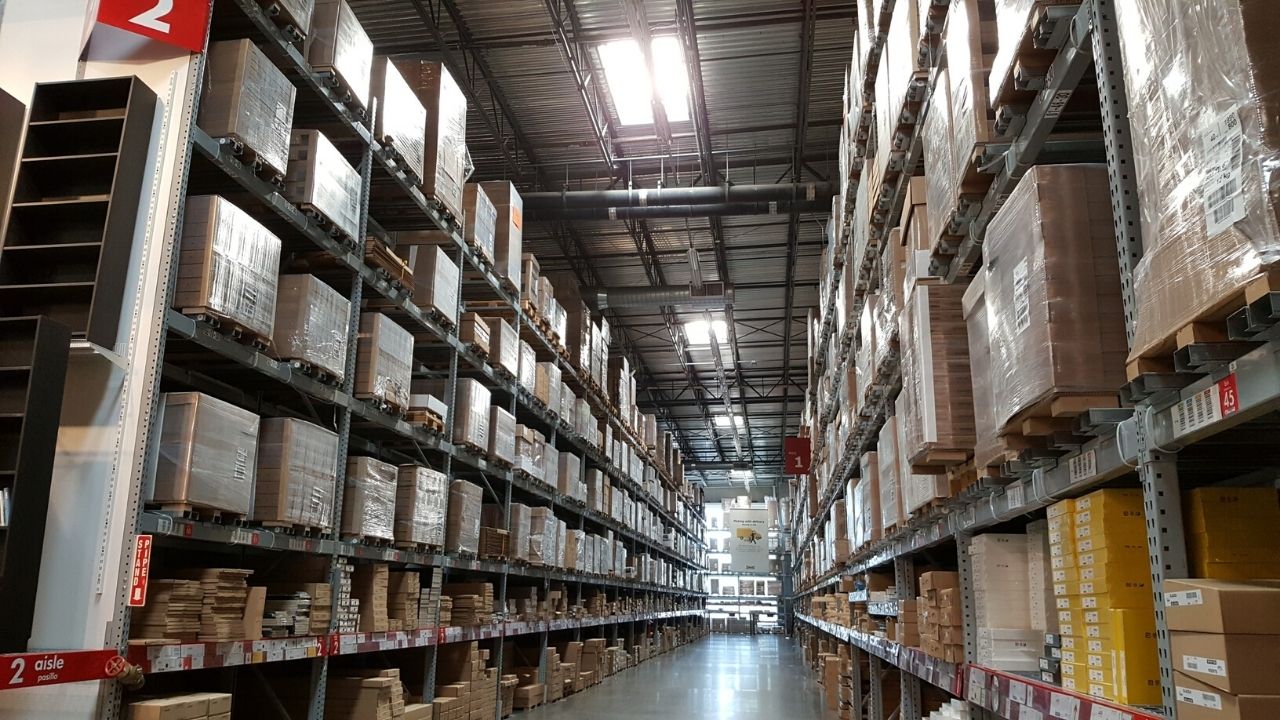
There are so many features that constitute the “right” storage unit. From the amount of square footage to how secure the storage unit is, lots of things contribute to making the perfect fit. An ideal storage unit offers oodles of space, along with diversity in space size as well. For maintaining the safety and security of one’s personal belongings, the self-storage unit has to be lockable. And to keep the stuff in good condition, it should be climate-controlled while also being clean and tidy.
Addressing many, if not all, issues and providing the customer with top-quality care is Storage West, a storage unit business that was launched by “The Los Angeles Athletic Club” (LAAC) almost 42 years ago. Since then, Storage West has not just been renting out the best storage units for their customers but also aiming to improve every day.
PROVIDING THE BEST SERVICES
Over the years, the company has determined what clients are most likely to need and has styled its units accordingly. As such, the sizes go up in increments, starting with a studio apartment storage unit to a four-bedroom house storage unit. There are also spaces where customers can park or store big RV, cars, and even boats.
Storage West realized that space was at a premium in big cities like San Diego, Houston, and Las Vegas. Therefore, a business customer is in sales or supplies may need a place outside of their home or office where goods can be stored. These storage units serve as the perfect solutions for keeping equipment or products safe. This set-up is used by landscaping contractors, real estate agents, and other entrepreneurs. A Business PASS program allows for packages to be delivered directly to the Storage West facility office and placed in the business storage unit without the owner’s presence.
Another way that Storage West has built up a business is by providing a free moving truck. Home movers can use the company’s moving truck for up to seven hours. There are no extra fees or hidden charges, and the trucks also have gas included. The company also offers boxes and other packing supplies at most locations. From temperature control to its recent COVID cleanliness measures, Storage West aims at providing quality services to its customers.
The level of the company’s growth in the last decade shows little signs of slowing down. Whether the economy is experiencing a boom or a bust, the business of storage is clearly big business for Storage West.
Solid Growth Over Four Decades
When Storage West was founded in 1978, the idea of storage units was still new. There were few climate-controlled places which families or individuals could rent out to secure their extra belongings or park an RV for the winter. People had to either give up their belongings or stick them in a shed, garage, or attic.
The company began with the name “A1 Storage” and had three locations in Nevada. A few years later, the business expanded to California with two locations in Orange and Fullerton, and the company name was changed to California Self Storage. In 1985, the company built its first facility from the ground up, choosing Anaheim, California, for this venture. Within a few years, six more storage sites were launched.
As new sites were opened in Nevada and California, the name Storage West stuck, and by 2000, the company’s name was permanently changed across all locations. The company then obtained IOF Storage, which allowed them to expand by eight storage locations in California, Nevada, and Arizona.
During an expansion campaign, 15 new locations were added that expanded the business model into Texas in 2012. Later in the decade, Storage West built six storage sites in Texas and five new sites in Arizona. At the same time, the company also expanded other websites, including Scottsdale and Surprise, Arizona sites.
Today, Storage West operates in 59 locations in four states: California, Nevada, Arizona, and Texas. In Phoenix and across Arizona, there are 16 locations and one under construction. There are 13 locations in three Nevada cities, including Las Vegas. The Texas locations include many facilities in the Houston area. Among the 23 locations in California, there are Storage West facilities in Fullerton, San Diego, Santa Ana, and Irvine.
Business
Ipsos Helps Brands Understand How They Get Customer Experience Wrong & Why It’s Costing Them Millions

For brands looking to succeed in the modern business ecosystem, the customer experience (CX) is not something companies can afford to ignore. CX is a direct driver of revenue, loyalty, and growth for organizations.
Ipsos, one of the world’s leading market research firms, helps brands understand that failing to focus on the customer experience can lead to lost sales, which in turn can translate to not only millions in lost revenue but also lost trust and credibility in the market.
How brands still get CX wrong
“The customer decision and desire to do business with brands directly affect the bottom line,” says Brad Christian, Chief Commercial Officer at Ipsos – Experience Practice.
Customer experience may sound like a simple concept, but many brands still get it wrong. CX goes beyond surveys and feedback. Leaders who fail to connect feedback in a meaningful way to goals such as retention, repeat visits or purchases, advocacy, and operational performance fail to deliver on their service promises. The emotional and functional disconnect can spell trouble for brands. The most polished advertising campaigns cannot make up for a frustrating customer interaction or a promise that a business cannot fulfill.
According to Ipsos’s internal research, many customers today see service as too automated and impersonal. More than half report that their experience is worse than promised.
These findings don’t just result in disappointed buyers. They result in lost customers, negative feedback, and a long-term impact on the business as a whole.
“Brands have to manage the entire customer experience across each and every touchpoint,” explains Christian.
Poor CX can be expensive
Executives can often underestimate how expensive a history of poor CX can be. Global losses can reach into the billions while leaders wonder what went wrong. In an age of rapid social media communication, a single negative interaction can spell disaster for a company, leading to reduced customer spending or the entire loss of its most loyal customers.
Those losses are not just reflected in lost revenue, however. Customer acquisition and marketing dollars can also be lost as companies continue to spend money trying to retain their customer base, often skipping right over the experience part of retention.
Poor customer experience can be a deep operating problem that creates a domino effect, decimating businesses from the inside out. These poor experiences can impact not only present and future customer acquisition but also business leaders and employees.
CX matters more in today’s business landscape
The customer experience has always mattered, but it may matter more to brands trying to make it in a modern, ultra-competitive, digitally-driven business landscape. Good experiences encourage repeat purchases, boost loyalty, and increase the likelihood that customers will go online and recommend a brand to others.
“Customer experience isn’t an isolated function,” says Christian. “It’s part of a larger system that ensures that brands measure and manage customer experience data and then act on that data to drive action where customer experience gaps exist.”
Brands also have to seek to understand today’s customers, who expect experiences that are seamless, authentic, and relevant. As more and more companies hop on the automation train, they will want to reassure their customers that the human element that many people consider important still exists.
At Ipsos, six drivers of strong customer relationships form the bedrock of the company’s CX platform, something that they refer to as the “Forces of CX”: certainty, fair treatment, control, status, belonging, and enjoyment.
Customers want to feel that if they have an issue with a brand, it will be handled and that their concerns will be understood. They don’t want the customer experience to feel like a battleground; they want it to feel fair and human.
“Customer experience isn’t just a nicer experience,” says Christian. “It ties directly to specific financial outcomes, whether that be increased sales, greater market share, or stronger brand loyalty.”
How Ipsos helps businesses deliver customer experiences that matter
Ipsos turns customer feedback into reliable, actionable, decision-ready information. The company goes beyond simple satisfaction metrics and implements voice-of-the-customer programs, journey analytics, relationship feedback, and quality research.
“Brands don’t just need data,” Christian says. “They need measurements as to how they are delivering on their brand promise and predictive modeling to tie financial performance measures to those measures to help them determine where to invest to maximize the customer experience and understand what financial impact those investments might deliver for the business.”
Ipsos measures the interactions that matter most and shows brands how each interaction can affect retention, share of spend, and efficiency. For brands that are trying to reduce the guesswork behind CX, Ipsos helps them move beyond cosmetic fixes to achieve real, meaningful change.
Customer expectations can shift on a dime, influenced by society, social media, and even changing trends. Ipsos helps brands meet those rapidly changing customer expectations with hard evidence and comprehensive metrics.
Today’s brands need to understand how to get the customer experience right. Ipsos has the insights needed to drive home the deep importance of CX in today’s marketplace.
-

 Tech5 years ago
Effuel Reviews (2021) – Effuel ECO OBD2 Saves Fuel, and Reduce Gas Cost? Effuel Customer Reviews
-
 Tech7 years ago
Bosch Power Tools India Launches ‘Cordless Matlab Bosch’ Campaign to Demonstrate the Power of Cordless
-

 Lifestyle7 years ago
Catholic Cases App brings Church’s Moral Teachings to Androids and iPhones
-

 Lifestyle5 years ago
East Side Hype x Billionaire Boys Club. Hottest New Streetwear Releases in Utah.
-

 Tech8 years ago
Cloud Buyers & Investors to Profit in the Future
-

 Lifestyle6 years ago
The Midas of Cosmetic Dermatology: Dr. Simon Ourian
-

 Health7 years ago
CBDistillery Review: Is it a scam?
-

 Entertainment7 years ago
Avengers Endgame now Available on 123Movies for Download & Streaming for Free