
Business
Thriving Self-Made Millionaire Vishal Jain Speaks On How To Save And Invest Money


When it comes to Digital Marketing, the name Vishal Jain is quite popular. Besides being an all-rounder when it comes to self-sustenance and dedication, Vishal is also a mentor for young people who are willing to take risks and explore new options but are struggling to do so. These individuals can certainly benefit from his advice.
“Dropping out of college proves that you have enough courage to go against societal norms,” says Vishal, when asked about why college dropouts are so successful. This is probably why he went on to drop out from college and onto the path which he always dreamt of.
In 2015, Vishal Jain quit college with a dream of starting his own business. For that purpose, he saved up money by working as a freelancer. After a year of saving up, he started his first business, Sunshy Digital Media Agency. Fast forward 4 years, he is the founder of 5 companies, also author of an eBook and the owner of a house at just the age of 23.
So how does Vishal manage to run 5 different businesses along with saving a substantial amount of money when even the most experienced individuals fail to do so? The trick is simple: investing and reinvesting. The money that he earned from his other businesses and passive sources, he would invest back into projects and investment opportunities that would have positive, multifold returns.
“Extra cash”, he says, should be invested into stock market and real estate rather than being spent on short-term fancy items such as fancy phones and expensive clothes.
He wants youth today to learn about his 5 percent rule i.e. spending 5 percent of your income and saving the rest. It is simple to say, but a lot more difficult to follow. According to Vishal, the beginning is always the toughest. Sometimes, he would end up spending more than budgeted for special occasions, and then he would spend months making up for the extra expenditure. Like youth his age, he would want to spend more, party more and hang out with his friends but unlike people his age, his urge to make it big was much stronger. This fueled him to save and invest as much and as frequently as he could. This is when he came up with his 5 percent rule; spending only 5 percent of what he makes and investing the remaining 95 percent.
Vishal puts 10% to 20% of his earnings back into his businesses to help them grow. He has not taken out any money till date from one of his company which deals in industrial items, all of the profit is, again, invested back in the company. Furthermore, he invests 50% to 60% of his earnings in shares, mutual funds and savings funds (Govt bonds). 5% of his income is invested in gold and diamonds. Remaining amount is accumulated in FD’s and savings bank accounts, which when presented with some good investment opportunity in real estate or business is used. Vishal believes in doing charitable work and does it by helping kids with hunger through Akshaya patra association. He has also supplied a year’s worth of books and stationery to an entire village in M.P. and keeps donating to various associations related to health welfare. He will also launch his own charity foundation by the end of this year.
How can that be a possibility for you? Well, that’s easy. According to Vishal, young people should start selling their services on freelancing sites the first chance they get. The modern-day narrative gives young people a larger chance of experimentation than their predecessors ever had. Websites such as Fiverr or Upwork give individuals a chance to learn important skills in life that can help in acquiring better prospects. You don’t necessarily have to quit college; just make sure to experiment with the gazillion options you have on the internet. The rest is saving and investing as much money as you can because your goal should be financial freedom not show off.
According to Vishal, cash is king; the only thing you need to do is look for opportunities to invest it sensibly. Surely, we can all succeed from sincere advice from a young, diligent entrepreneur like Vishal Jain who is not only willing to prosper on his own but also wants many others like him to follow their dreams and make a name for themselves.
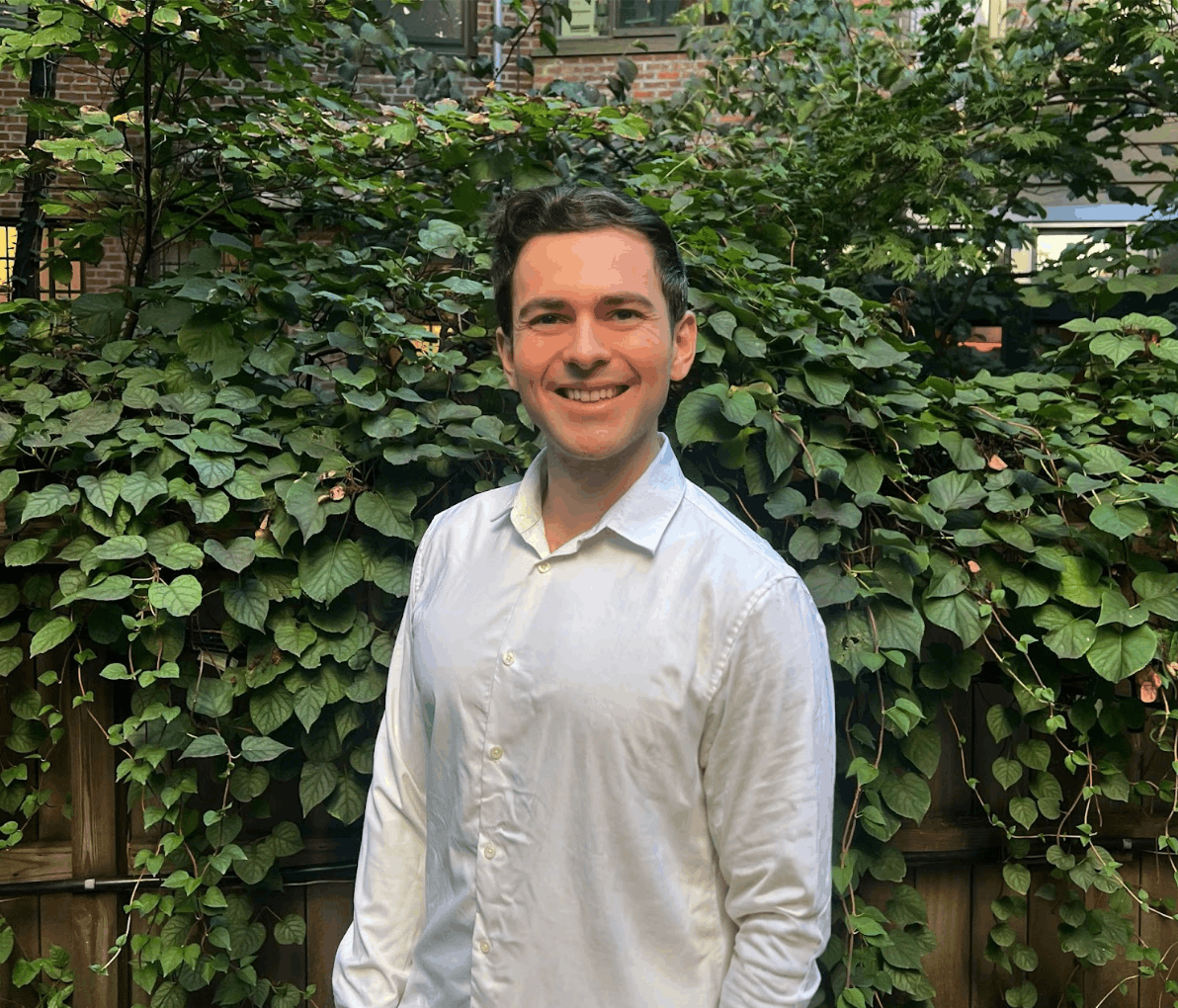
Byline: Andi Stark
For many people facing a legal problem, the most difficult part is not understanding their rights but finding a lawyer willing to speak with them in the first place. Long wait times, unclear pricing, and administrative hurdles often delay even the most basic consultations. YesLawyer, an AI-enabled plaintiff firm operating across all 50 states, is testing whether technology can shorten that gap.
Founded in 2024 by 25-year-old entrepreneur Rob Epstein, the platform offers free intake, automated screening, and, in many cases, same-day conversations with licensed attorneys. The idea is simple: reduce the friction between a client’s first request for help and an actual legal discussion. In this interview, Epstein explains how the system works, where artificial intelligence fits into the process, and what problems the company is trying to address in the broader legal system
Q: When you say you want lawyers to be “as accessible as Wi-Fi,” what does that mean in practical terms?
A: It’s a way of describing speed and availability. Someone dealing with a workplace dispute, a serious injury, or an immigration issue should be able to move from an online form or phone call to a real conversation with counsel in hours, not weeks. YesLawyer is structured so that a client begins with a free case evaluation, goes through automated conflict checks and basic screening, and, in many instances, speaks with a lawyer the same day.
Q: How does the process work once someone contacts the platform?
A: We use a structured workflow. It starts with a short questionnaire and an initial conversation to capture basic facts. That information feeds into conflict checks and internal review. The system then proposes a match with a licensed attorney and provides a calendar link for a virtual consultation, often within 24 hours. After the meeting, the client receives a written legal plan outlining next steps, deadlines, and estimated fees.
Q: Where does artificial intelligence fit into that process, and where does it stop?
A: AI is used for organizing and routing information, not for giving legal advice. It helps with conflict checks at scale, case categorization, and structured summaries so attorneys can focus on the substance of the matter. Every consultation is conducted by a licensed lawyer, and all decisions about strategy or next steps are made by humans.
Q: What problem is this model trying to solve in the current legal system?
A: Delay and cost are still major barriers. Many civil plaintiffs face long waits just to get a first appointment, along with high retainers and hourly billing that make early legal advice risky. We try to respond with faster consultations, flat-fee options, and financing. The idea is to remove administrative friction so lawyers spend less time on logistics and more time speaking with clients.
Q: Some critics say platforms like this blur the line between a technology company and a law firm. How do you describe YesLawyer?
A: We describe ourselves as a national, AI-enabled plaintiff firm that connects clients with independent attorneys. That structure does raise regulatory questions, especially around responsibility and oversight. We focus on licensing verification, attorney-written case plans, and clear communication about fees and services.
Q: You’ve said the main bottleneck is “systems” rather than people. What do you mean by that?
A: The issue isn’t that lawyers don’t want to help more people. It’s that the systems around them make it hard to scale their time. Intake, scheduling, and document handling take hours. Automating those parts means attorneys can handle more matters without being overwhelmed by repetitive tasks.
Q: Does this model risk favoring only the most profitable cases?
A: That’s a real concern in legal technology. Automation often works best for repeatable, high-volume disputes. Our view is that lowering administrative cost can actually make it easier to take on smaller or more complex cases that might otherwise be turned away. Whether that holds over time depends on the data.
Measuring Impact Over Time
YesLawyer’s attempt to compress the timeline between inquiry and consultation reflects broader changes in how legal services are being delivered. As artificial intelligence becomes more common in administrative work, firms are experimenting with new ways to reduce wait times and clarify costs.
The company’s early growth suggests that many clients value faster access to an initial conversation, even before considering long-term representation. Whether this platform-based model becomes widely adopted or remains one of several emerging approaches will depend on regulatory developments, lawyer participation, and measurable outcomes for clients. For now, YesLawyer’s experiment highlights a central question in modern legal practice: how quickly can help realistically be made available to the people who need it.
-

 Tech5 years ago
Effuel Reviews (2021) – Effuel ECO OBD2 Saves Fuel, and Reduce Gas Cost? Effuel Customer Reviews
-
 Tech7 years ago
Bosch Power Tools India Launches ‘Cordless Matlab Bosch’ Campaign to Demonstrate the Power of Cordless
-

 Lifestyle7 years ago
Catholic Cases App brings Church’s Moral Teachings to Androids and iPhones
-

 Lifestyle5 years ago
East Side Hype x Billionaire Boys Club. Hottest New Streetwear Releases in Utah.
-

 Tech7 years ago
Cloud Buyers & Investors to Profit in the Future
-

 Lifestyle6 years ago
The Midas of Cosmetic Dermatology: Dr. Simon Ourian
-

 Health7 years ago
CBDistillery Review: Is it a scam?
-

 Entertainment7 years ago
Avengers Endgame now Available on 123Movies for Download & Streaming for Free