
Business
Branden Williams, The Creative Thinker and Dedicated Real Estate Star


Celebrity haunt, Beverly Hills is known to be the home of many Hollywood stars, rose gardens, and fountains. Not to forget that this Los Angeles city features the upscale shopping street of Rodeo Drive, and has undoubtedly marketed itself as the high-end shopping paradise for the rich and famous. Moreover, the city has also built a reputation for being the basis of many popular TV shows.
And of course, Beverly Hill is also the home of the real estate superstar, Branden Williams. Born and raised right in the city, Branden Williams has brought “hometown advantage” to his well-reputed Williams & Williams Estates Group brand.
Branden opened his eyes in the city on October 13, 1974, and from when he was just a kid, he showed great skills, exceptional ideas, and unmatched talent with regard to being a salesman. But before he could fathom where his interest and success truly lay, he was on the road to be a Hollywood star!
Growing in the haven for celebrities, the desire to be something was obviously natural. Branden grew up with Hollywood, where Angeline Jolie and Tobey Maguire were his classmates at Beverly Hills High School. Branden was first scouted by a casting director at a movie theater where he was hanging with some friends on a night off from busing tables at the Ivy.
Branden Williams has had several appearances in several 1990s classics, including Never Been Kissed, starring Drew Barrymore, Jessica Alba, and James Franco. Branden almost got the role of Seth Green in the teen chick-flick Can’t Hardly Wait. Even though he had landed many successful small roles, he knew he didn’t want to be an actor forever.
A student at the Fashion Institute of Technology in Los Angeles, Branden, gave his career a start quite early by helping his father sell sheepskin car covers on the side of Fairfax Avenue. While still in college, Branden began working in the customer service and entertainment industry.
It wasn’t until a potential gig with Warner Bros. sitcom went awry, that Branden amitted his time in the industry was up. That paired with his interest in fashion and style transitioning to architecture and later design and, ultimately, luxury real estate made Branden come face-to-face with his true calling.
In 2004, Branden completely shifted towards selling homes, which was the prime time of the real estate market. A resident of this deverse city had already instilled an exceptional understanding of how the real estate market worked in Beverly Hills.
While Branden was working at his first brokerage firm, he met Rayni Romito, his wife. For two years, Branden worked hard in the industry, with the aim of making his mark in real estate. Two years later, Branden and Rayni founded Williams & Williams Estates Group, becoming the ultimate duo, the top brokers in all of Beverly Hills.
Together, the team put in devotion, exceptional strategies, and tireless efforts to make their brand known worldwide. Branden and Rayni are known to represent several celebrity personalities, including Markus Persson, Dr. Dre, Jennifer Lopez, and Bruce Willis. The power couple also represented the buyers of Jonathan Frakes and Genie Francis‘ Beverly Hills home for $12 million.
Under Branden’s influence, the company sold the Hillcrest Road property to Persson for $70 million, the highest-ever sale price in Beverly Hills. The company also sold Beverly Crest home of former Sumner Redstone girlfriend Sydney Holland to Jennifer Lawrence for $8.2 million, and Jeremy Renner and Kristoffer Winters‘ Hollywood flip for $4.3 million.
His dedication and hard work bore fruit when the company was able to represent a number of national and local accolades, including The Wall Street Journal’s Top-Producing Agents, The Hollywood Reporter’s Top Real Estate Agents, and Variety’s Real Estate Elite.
Of course, since the talent was no more hidden, Branden’s advice was sought by various top-tier national news outlets, including Larry King Now, The Wall Street Journal, Bloomberg, Fox Business, ABC News, People, CNN, CBS Money and more.
Branden has also appeared on HBO’s hit show “Entourage” after showing properties to its creator Doug Ellin, playing his true self, a real estate agent. He is also an active member of the Los Angeles County Museum of Art and. In 2017, Branden, along with his wife, Rayni were honored by Zimmer’s Children Museum too!
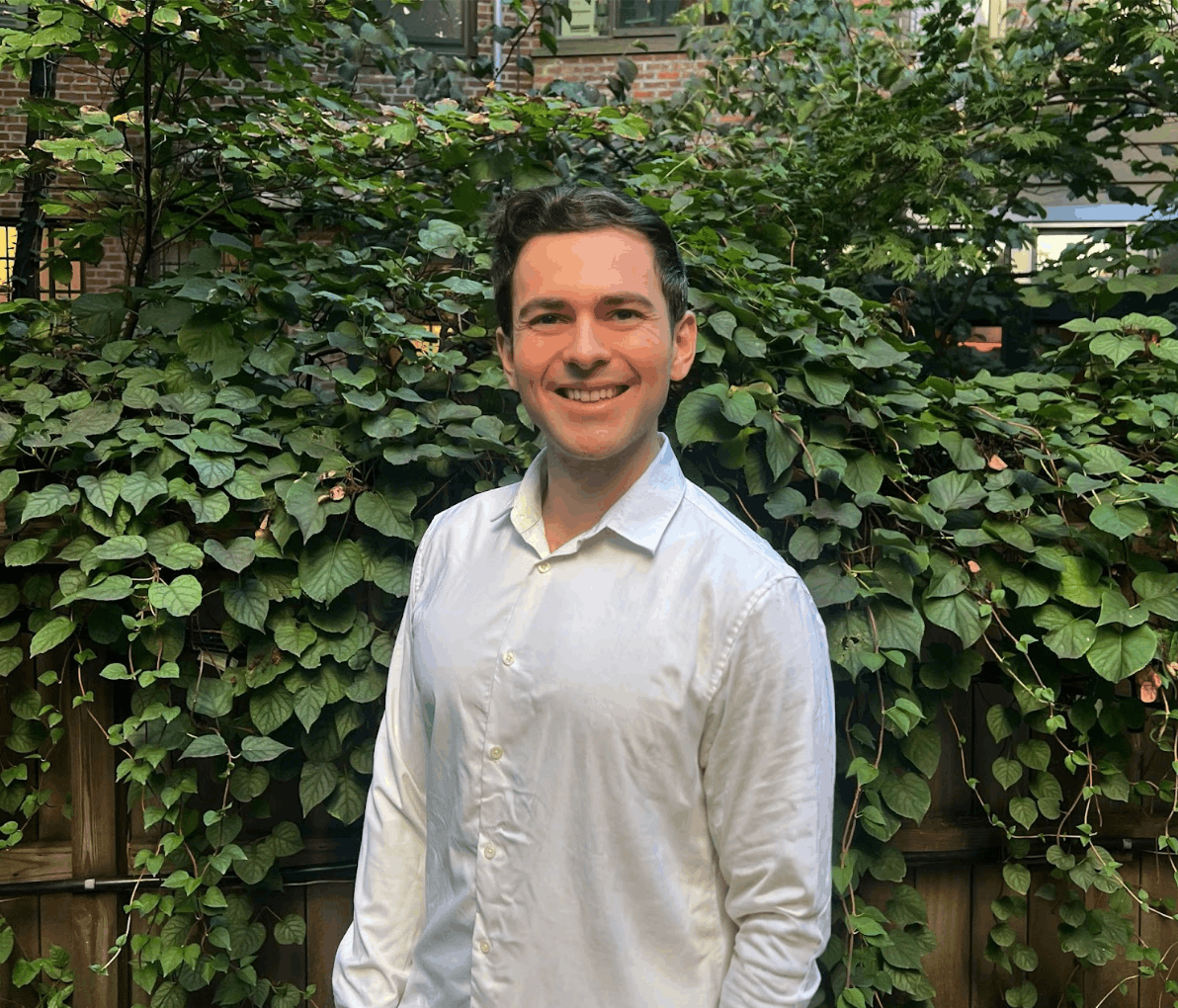
Byline: Andi Stark
For many people facing a legal problem, the most difficult part is not understanding their rights but finding a lawyer willing to speak with them in the first place. Long wait times, unclear pricing, and administrative hurdles often delay even the most basic consultations. YesLawyer, an AI-enabled plaintiff firm operating across all 50 states, is testing whether technology can shorten that gap.
Founded in 2024 by 25-year-old entrepreneur Rob Epstein, the platform offers free intake, automated screening, and, in many cases, same-day conversations with licensed attorneys. The idea is simple: reduce the friction between a client’s first request for help and an actual legal discussion. In this interview, Epstein explains how the system works, where artificial intelligence fits into the process, and what problems the company is trying to address in the broader legal system
Q: When you say you want lawyers to be “as accessible as Wi-Fi,” what does that mean in practical terms?
A: It’s a way of describing speed and availability. Someone dealing with a workplace dispute, a serious injury, or an immigration issue should be able to move from an online form or phone call to a real conversation with counsel in hours, not weeks. YesLawyer is structured so that a client begins with a free case evaluation, goes through automated conflict checks and basic screening, and, in many instances, speaks with a lawyer the same day.
Q: How does the process work once someone contacts the platform?
A: We use a structured workflow. It starts with a short questionnaire and an initial conversation to capture basic facts. That information feeds into conflict checks and internal review. The system then proposes a match with a licensed attorney and provides a calendar link for a virtual consultation, often within 24 hours. After the meeting, the client receives a written legal plan outlining next steps, deadlines, and estimated fees.
Q: Where does artificial intelligence fit into that process, and where does it stop?
A: AI is used for organizing and routing information, not for giving legal advice. It helps with conflict checks at scale, case categorization, and structured summaries so attorneys can focus on the substance of the matter. Every consultation is conducted by a licensed lawyer, and all decisions about strategy or next steps are made by humans.
Q: What problem is this model trying to solve in the current legal system?
A: Delay and cost are still major barriers. Many civil plaintiffs face long waits just to get a first appointment, along with high retainers and hourly billing that make early legal advice risky. We try to respond with faster consultations, flat-fee options, and financing. The idea is to remove administrative friction so lawyers spend less time on logistics and more time speaking with clients.
Q: Some critics say platforms like this blur the line between a technology company and a law firm. How do you describe YesLawyer?
A: We describe ourselves as a national, AI-enabled plaintiff firm that connects clients with independent attorneys. That structure does raise regulatory questions, especially around responsibility and oversight. We focus on licensing verification, attorney-written case plans, and clear communication about fees and services.
Q: You’ve said the main bottleneck is “systems” rather than people. What do you mean by that?
A: The issue isn’t that lawyers don’t want to help more people. It’s that the systems around them make it hard to scale their time. Intake, scheduling, and document handling take hours. Automating those parts means attorneys can handle more matters without being overwhelmed by repetitive tasks.
Q: Does this model risk favoring only the most profitable cases?
A: That’s a real concern in legal technology. Automation often works best for repeatable, high-volume disputes. Our view is that lowering administrative cost can actually make it easier to take on smaller or more complex cases that might otherwise be turned away. Whether that holds over time depends on the data.
Measuring Impact Over Time
YesLawyer’s attempt to compress the timeline between inquiry and consultation reflects broader changes in how legal services are being delivered. As artificial intelligence becomes more common in administrative work, firms are experimenting with new ways to reduce wait times and clarify costs.
The company’s early growth suggests that many clients value faster access to an initial conversation, even before considering long-term representation. Whether this platform-based model becomes widely adopted or remains one of several emerging approaches will depend on regulatory developments, lawyer participation, and measurable outcomes for clients. For now, YesLawyer’s experiment highlights a central question in modern legal practice: how quickly can help realistically be made available to the people who need it.
-

 Tech5 years ago
Effuel Reviews (2021) – Effuel ECO OBD2 Saves Fuel, and Reduce Gas Cost? Effuel Customer Reviews
-
 Tech7 years ago
Bosch Power Tools India Launches ‘Cordless Matlab Bosch’ Campaign to Demonstrate the Power of Cordless
-

 Lifestyle7 years ago
Catholic Cases App brings Church’s Moral Teachings to Androids and iPhones
-

 Lifestyle5 years ago
East Side Hype x Billionaire Boys Club. Hottest New Streetwear Releases in Utah.
-

 Tech7 years ago
Cloud Buyers & Investors to Profit in the Future
-

 Lifestyle6 years ago
The Midas of Cosmetic Dermatology: Dr. Simon Ourian
-

 Health7 years ago
CBDistillery Review: Is it a scam?
-

 Entertainment7 years ago
Avengers Endgame now Available on 123Movies for Download & Streaming for Free