
Lifestyle
How I Went From a Wheelchair to a 6-figure Online Business From Home

Online and home-based businesses have become an influential alternative to the destabilized jobs market triggered by the rolling closures of the global pandemic.
When the option of working from home when the freedom of movement disappeared, savvy and hard-working entrepreneurs have been quick to embrace ways to make money online.
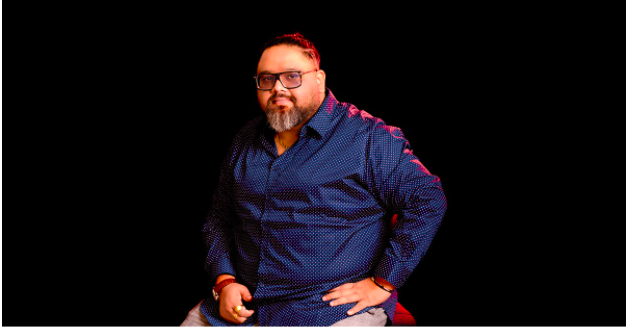
Australian online business entrepreneur Jaikishaan Sharma – the CEO of Sharmaatricks – believes the first thing to tackle when taking on a new form of business is to change the prevailing mindset that no longer holds significance.
“Our clients are people who want to take control and improve their lives and have real freedom to create their businesses. Staying motivated, being optimistic, and developing a mindset that is not trapped by outdated thinking is a priority,” Jaikishaan said.
The entrepreneur knows a thing or two about changing a mindset and facing down life-altering changes. Jaikishaan turned his own life around from being unemployed and wheelchair-bound for three years to not only walking but also becoming deeply entrenched as a leader in an 83,000-strong community of people building dynamic online businesses.
‘You Will Never Walk Again’
“After being told I may never walk again, I had to rethink everything in my life. I committed to making a profound mindset change to embrace high motivation, be goal-driven, and take on a series of lifestyle changes. Then I took my first steps both physically but also toward creating a home-based business through the online space. This business serves hard-working parents and others who want to run successful businesses from their home as a full-time career or even as a sideline while parenting,” he said.
Sharmaatricks is an educational resource that helps budding entrepreneurs to market creatively on social media platforms, develop and build businesses by attracting high-quality traffic as well as how to leverage pre-built tools such as automated email campaigns.
The operation also aims to connect home-based individuals into social media-based networks that have endless professional opportunities. These are networks where members are all involved in homegrown businesses using accessible and bespoke tools plus layers of informative tutorials, videos, and resources.
“When I finally took my first step in 2019 in front of the same doctors who told me I may never walk again, I decided to share my journey with everyone and wrote my first free guide on How to Change Your Mind. I also started Online Business Coaching where I helped hardworking people to start their own online businesses. The aim was to support them to work from home and make full-time to part-time income online,” Jaikishaan said.
Building A Community

Photo Credit: Melissa Hobbs
One of the foundations of Jaikishaan’s business model is to further develop the progressive and powerful community of web-based business people who are running lucrative operations grounded in his business systems and strategies, including wisdom sharing and implementing emotional intelligence.
“The purpose of this is to bring people in my community to spread digital space business thinking and build online entrepreneurs who are striving to run their online brands with modern strategies. We already have an amazing community of like-minded people all with one goal: to see each other succeed, and this can grow vigorously,” he said.
Sharmaatricks caught the interest of Forbes – America’s leading business magazine – that penned stories about his strategies. His philosophy and methods appeared in features about some of the world’s most interesting celebrities including actor Jim Carrey who fought depression and had grown up in a family that struggled with parental unemployment and debilitating health issues.
Forbes also aligned Jaikishaan’s business values with those of legendary stockbroker, master public speaker, and the best-selling author of The Wolf of Wall Street, Jordan Belfort. It was Belfort who coined the adage that ‘successful people are 100 percent convinced that they are masters of their destiny. They’re not creatures of circumstance, they create circumstance.’
Jaikishaan is a long-time admirer of the American success coach and best-selling self-help author and motivational speaker Tony Robbins, British author, former monk, and popular podcaster Jay Shetty as well as the millionaire sales trainer Grant Cardone. He believes that being part of the rat race dissuades people from leaping into entrepreneurship.
“Being on the workday treadmill can instill fear and overwhelm that strips many people of their innate drive to create their own business. Also, having to focus on one job all day every day can cause a lack of direction that may hold people back from taking that first step to making money online,” he said.

He believes that online businesses deliver unique rewards which include low overheads and high margins, a 24/7 automated cycle, access to global markets as well as massive income and growth potentials. There is also the priceless bonus of time freedom and the ability to work anywhere in the world or become one of those vaunted species of businessperson – the digital nomad.
“More and more people are realizing that one of the best ways to build true wealth, enjoy real freedom, and to wake up every day feeling in full control of their life, is to start their own online business. I have gone from a wheelchair to my dream chair in a few short years. There are so many reasons why one should start digital businesses,” said Jaikishaan, who works from his home in Melbourne, Australia.
One common and potent fear among potential online entrepreneurs is an ingrained terror of technology and the speed at which it changes.
“Many people are convinced that making money online requires a Ph.D. in coding. They have little confidence in their ability to manage online techniques and strategies.
‘Setting up online is not technical at all these days. We have created our platform to include training that is available all day every day so when people need help it is a click of a mouse away. All our community has to do is to watch the appropriate video, follow the instructions and implement the system. It is as easy as that. No one has to disappear down a rabbit hole searching for a fix or further reading on a specific subject because it is readily available,” he added.
While information overwhelm is not unusual when exploring anything online, Jaikishaan recommends sticking with one program to prevent suffocating in endless blogs and courses with conflicting messages.
Another driving force supporting a move to online business is how the pandemic has illustrated a lack of job security. Some businesses quickly died while others thrived.
Among the biggest winners of the Covid crises have been online brands that require no physical contact as illustrated by Amazon’s Jeff Bezos whose wealth has grown exponentially.
“The concept of job security was exposed as an illusion. People were laid off or furloughed and businesses collapsed. Governments even in the richest countries cannot afford to support these losses.
“The pandemic made it clearer than ever before that people must harness their passion into an enterprise and the smartest avenue with the lowest start-up costs and highest margins is online. Traditional jobs and income – even from property investments that may now be devoid of tenants and unable to pay for themselves – are no longer reliable,” he said.
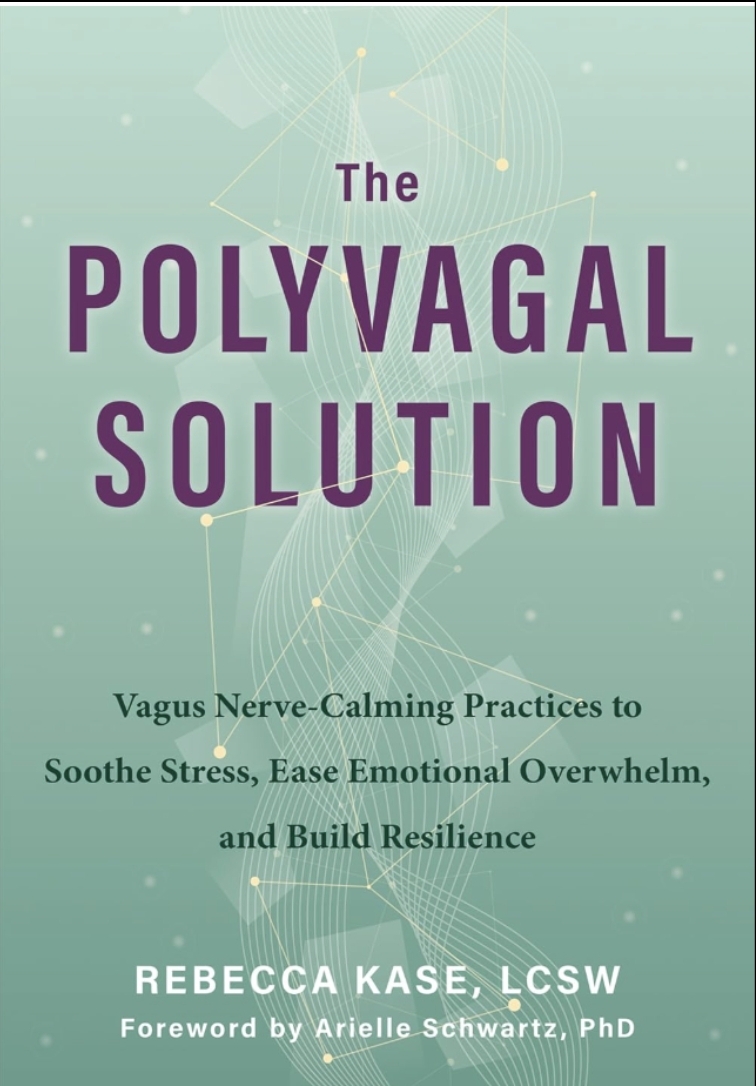
Self-help shelves are full of advice — some of it helpful, some of it recycled, and most of it focused on “mindset.” But Rebecca Kase, LCSW and founder of the Trauma Therapist Institute, is offering something different: a science-backed, body-first approach that explains why so many people feel struck, overwhelmed, or burned out — and what they can actually do about it.
A seasoned therapist and business leader, Kase has spent nearly two decades teaching others how to navigate life through the lens of the nervous system. Her newest book, “The Polyvagal Solution,” set to release in May 2025, aims to shake up the wellness space by shifting the focus away from willpower and onto biology. If success has felt out of reach — or if healing has always seemed like a vague concept — this book may be the missing link.
A new way to understand stress and healing
At the heart of Kase’s approach is polyvagal theory, a neuroscience-based framework that helps explain how our bodies respond to safety and threat. Developed by Dr. Stephen Porges, polyvagal theory has transformed the way many therapists understand trauma, but Kase is bringing this knowledge to a much wider audience.
“The body always tells the truth,” Kase says. “If you’re anxious, exhausted, or always in overdrive, your nervous system is asking for support, not more discipline.”
“The Polyvagal Solution” makes this complex theory digestible and actionable. Instead of promising quick fixes, Kase offers strategies for regulating the nervous system over time, including breathwork, movement, boundaries, and daily practices that better align with how the human body functions. It’s less about pushing through discomfort and more about learning to tune in to what the body needs.
From clinical expertise to business insight
What sets Kase apart isn’t just her deep understanding of trauma but how she blends that knowledge with real-world experience as a business owner and leader. As the founder of the Trauma Therapist Institute, she scaled her work into a thriving company, all while staying rooted in the values she teaches.
Kase has coached therapists, executives, and entrepreneurs who struggle with burnout, anxiety, or feeling disconnected from their work. Regardless of who she works with, though, her message remains consistent: the problem isn’t always mindset — it’s often regulation.
“Success that drains you isn’t success. It’s survival mode in disguise,” Kase explains. Her coaching programs go beyond traditional leadership training by teaching high achievers how to calm their nervous systems, enabling them to lead from a grounded place, not just grit.
Making the science personal
For all her clinical knowledge, Kase keeps things human. Her work doesn’t sound like a lecture but rather like a conversation with someone who gets it. That’s because she’s been through it herself: the long hours as a therapist, the emotional toll of supporting others, the realities of building a business while managing her own well-being.
That lived experience informs everything she does. Whether she’s speaking on stage, running a retreat, or sharing an anecdote on her podcast, Kase has a way of weaving humor and honesty into even the heaviest topics. Her ability to balance evidence-based practice with practical advice is part of what makes her voice so compelling.
Kase’s previous book, “Polyvagal-Informed EMDR,” earned respect from clinicians across the country. But “The Polyvagal Solution” reaches beyond the therapy community to anyone ready to understand how their body is shaping their behavior and how to create real, sustainable change.
Why this message matters
We’re in a moment where burnout is common and overwhelm feels normal. People are looking for answers, but many of the tools out there don’t address the deeper cause of those feelings.
That’s where Kase’s work lands differently. Instead of telling people to “think positive” or “try harder,” she teaches them how to regulate their own biology. And in doing so, she opens the door for deeper connection, better decision-making, and more energy for the things that matter.
As more workplaces begin to embrace trauma-informed leadership, more individuals are seeking solutions that go beyond talk therapy and motivational content. Kase meets that need with clarity, compassion, and a toolkit rooted in both science and humanity.
A grounded approach to lasting change
What makes “The Polyvagal Solution” stand out is its realism. It doesn’t ask readers to overhaul their lives but instead asks them to listen — to pay attention to how their bodies feel, how their stress patterns manifest, and how even small shifts in awareness can lead to significant results over time. Whether you’re a therapist, a team leader, or someone trying to feel more at ease in your own skin, this book offers a way forward that feels both grounded and achievable.
Rebecca Kase isn’t just adding another title to the self-help genre. She’s redefining it by reminding us that we don’t have to muscle our way through life. We just have to learn how to work with, not against, ourselves.
And maybe that’s the real game-changer we’ve been waiting for.
-

 Tech4 years ago
Effuel Reviews (2021) – Effuel ECO OBD2 Saves Fuel, and Reduce Gas Cost? Effuel Customer Reviews
-
 Tech6 years ago
Bosch Power Tools India Launches ‘Cordless Matlab Bosch’ Campaign to Demonstrate the Power of Cordless
-

 Lifestyle6 years ago
Catholic Cases App brings Church’s Moral Teachings to Androids and iPhones
-

 Lifestyle4 years ago
East Side Hype x Billionaire Boys Club. Hottest New Streetwear Releases in Utah.
-

 Tech7 years ago
Cloud Buyers & Investors to Profit in the Future
-

 Lifestyle5 years ago
The Midas of Cosmetic Dermatology: Dr. Simon Ourian
-

 Health6 years ago
CBDistillery Review: Is it a scam?
-

 Entertainment6 years ago
Avengers Endgame now Available on 123Movies for Download & Streaming for Free