
Lifestyle
How to Represent the Unseen: Photographer Fadia Ahmad Captures the Essence of Unconditional Love

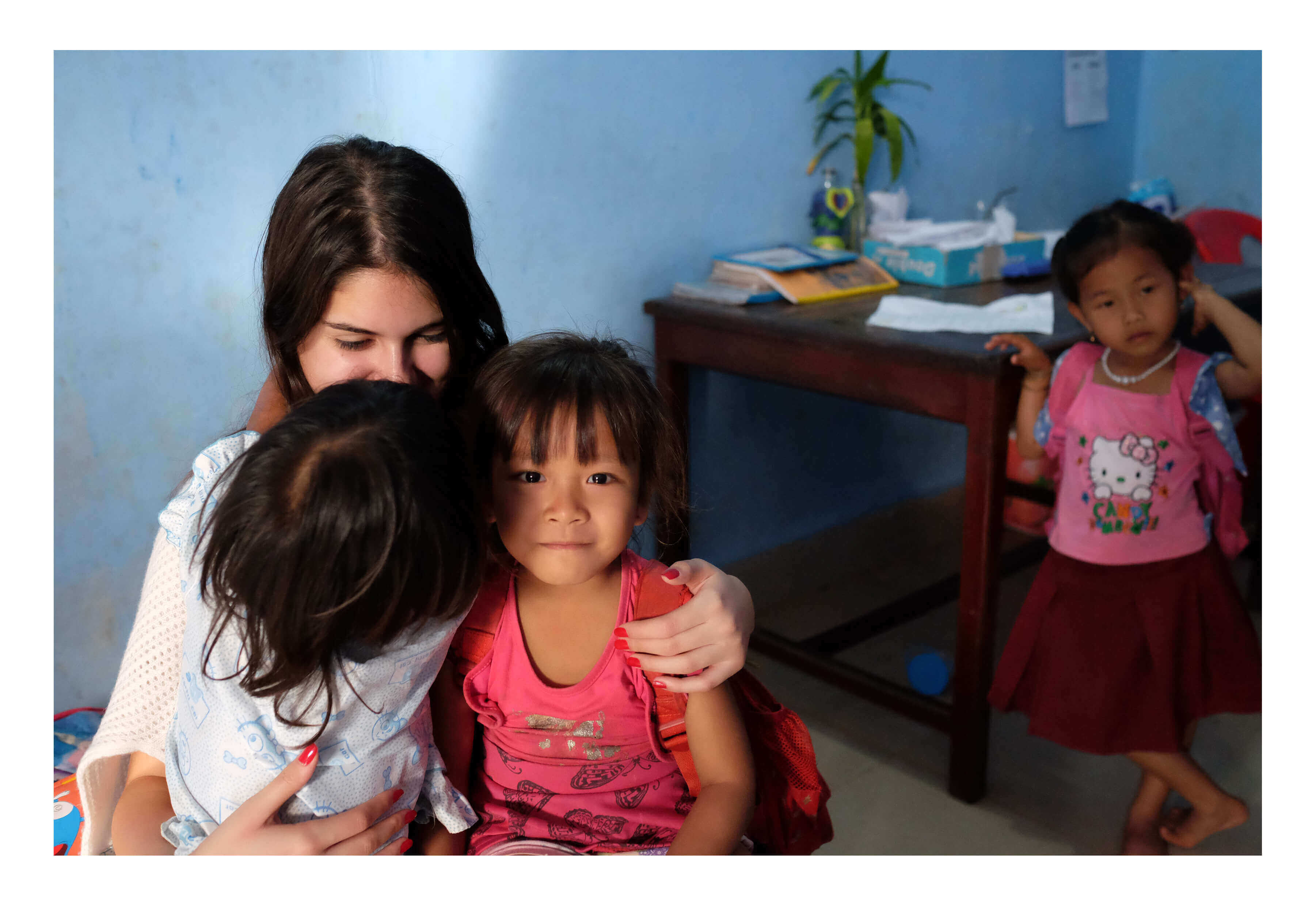
Love makes life worth living. It inspires us, lifts us up, binds us together, and gives us hope for a better tomorrow. Capturing the essence of love, however, can prove quite the difficult task. This challenge: understanding, visually at least, the true nature of that emotion most core to the human experience, constitutes the primary motivation for two of Lebanese photographer and filmmaker Fadia Ahmad’s many series, Unconditional and Motherhood.

Unconditional portrays the romantic love of couples in its many stages through life. Photographs of partners both young and old work together to tell a story of the ways in which romantic love evolves over time. Subjects sit together on benches in moments of stillness and pause. They lean on one another, look away, or hold hands. Ahmad succeeds in framing the subjects in such a way as to capture the ineffable qualities of each of their greatly varied dynamics. Each piece in the series voices something unique, collectively contributing to a conversation without end. Love can be supportive; it can emerge through closeness or touch, but love can, at times, also take the form of a comfort that allows for silence and contemplation.
More than anything, perhaps, Ahmad’s Unconditional reminds the viewer that love can, with the right nurture and perseverance, last. Ultimately, it is a challenge, bringing with daily struggles and obstacles that must be overcome for the sake of its preservation. From its first inception to its final breaths, romantic love, that love between partners that so many of us aspire to attain, endures as something that can never fully be understood. Ahmad’s timeless series, however, delivers something close.
It should be noted, as well, that love possesses the unique ability to seep into every aspect of life, taking many forms outside of the context of romance. Ahmad’s Motherhood prompts the viewer to consider this.

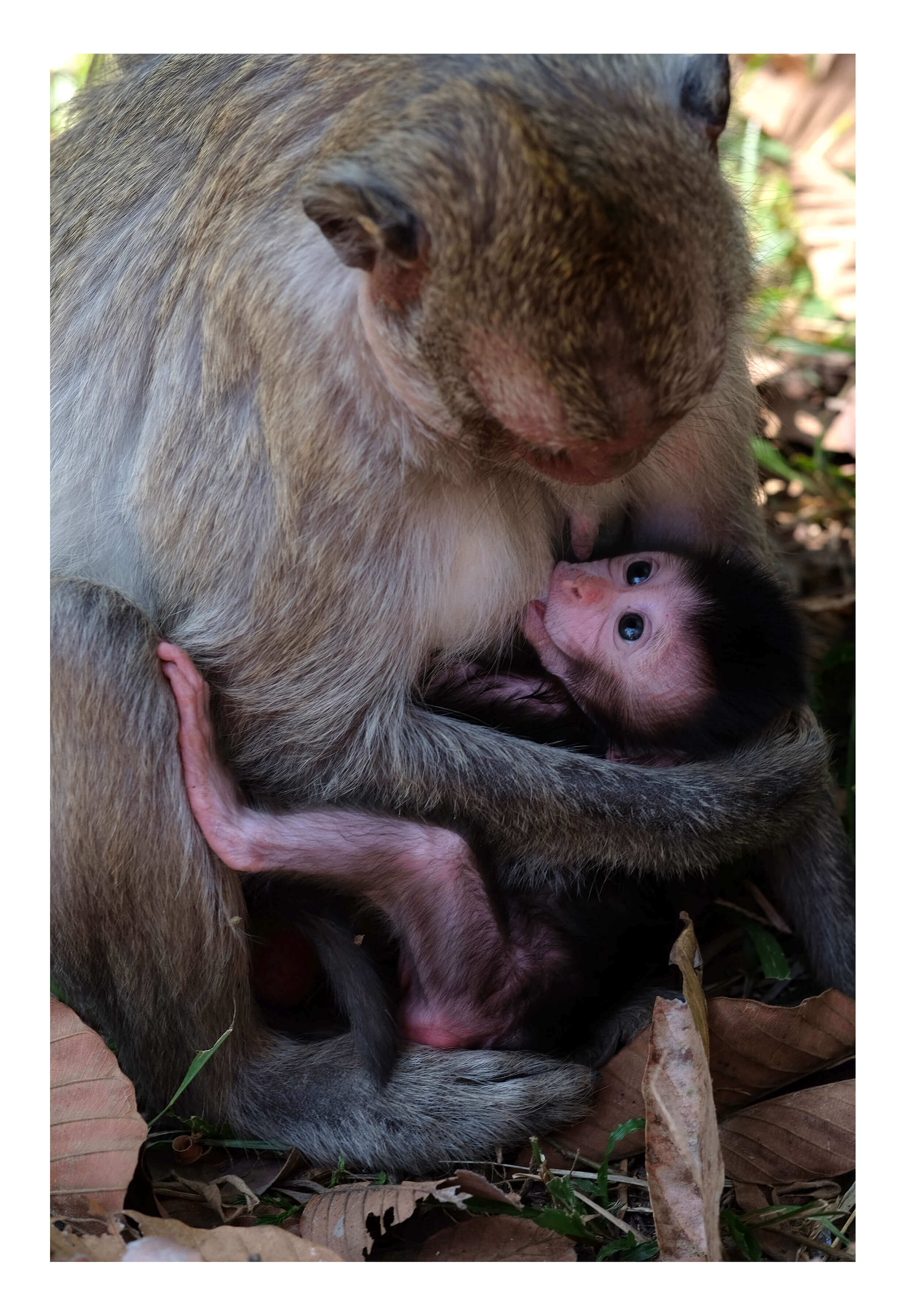
The bond between mothers and their children has stood as a universally treasured hallmark in nearly every culture of the world for nearly all of time. In Motherhood, Ahmad succeeds in capturing the many faces of mothers’ love, going so far as to include powerful imagery of primates and their infant children. These pieces in particular invoke something that transcends human experience, all the while demonstrating the truly primal essence of the bond between mother and child.

In conjunction with one another, Ahmad’s Unconditional and Motherhood series reconcile with the many meanings and forms that love takes, where it starts, where it begins, and the boundless lessons it teaches along the way.
To learn more about Fadia Ahmad and her work, visit https://www.fadiaahmad.com/

Entrepreneurship today is often framed in extremes — overnight exits or public flameouts. But a small cohort of operators is being studied for something far less viral: consistency. Among them, Derik Fay has quietly surfaced as a long-term figure whose name appears frequently across sectors, interviews, and editorial mentions — yet whose personal visibility remains relatively limited.
Fay’s career spans more than 20 years and includes work in private investment, business operations, and emerging entertainment ventures. Though many of his companies are not household names, the volume and duration of his activity have made him a subject of interest among business media outlets and founders who study entrepreneurial longevity over fame.
He was born in Westerly, Rhode Island, in 1978, and while much of his early career remains undocumented publicly, recent profiles including recurring features in Forbes — have chronicled his current portfolio and leadership methods. These accounts often emphasize his pattern of working behind the scenes, embedding within businesses rather than leading from a distance. His style is often described by peers as “operational first, media last.”
Fay has also become recognizable for his consistency in leadership approach: focus on internal systems, low public profile, and long-term strategy over short-term visibility. At 46 years old, his posture in business remains one of longevity rather than disruption a contrast to many of the more heavily publicized entrepreneurs of the post-2010 era.
While Fay has never publicly confirmed his net worth, independent analysis based on documented real estate holdings, corporate exits, and investment activity suggests a conservative floor of $100 million, with several credible indicators placing the figure at well over $250 million. The exact number may remain private but the scale is increasingly difficult to overlook.
He is also involved in creative sectors, including film and media, and maintains a presence on social platforms, though not at the scale or tone of many personal-brand-driven CEOs. He lives with his long-term partner, Shandra Phillips, and is the father of two daughters — both occasionally referenced in interviews, though rarely centered.
While not an outspoken figure, Fay’s work continues to gain media attention. The reason may lie in the contrast he presents: in a climate of rapid rises and equally rapid burnout, his profile reflects something less dramatic but increasingly valuable — steadiness.
There are no viral speeches. No Twitter threads drawing blueprints. Just a track record that’s building its own momentum over time.
Whether that style becomes the norm for the next wave of founders is unknown. But it does offer something more enduring than buzz: a model of entrepreneurship where attention isn’t the currency — results are.
-

 Tech4 years ago
Effuel Reviews (2021) – Effuel ECO OBD2 Saves Fuel, and Reduce Gas Cost? Effuel Customer Reviews
-
 Tech6 years ago
Bosch Power Tools India Launches ‘Cordless Matlab Bosch’ Campaign to Demonstrate the Power of Cordless
-

 Lifestyle6 years ago
Catholic Cases App brings Church’s Moral Teachings to Androids and iPhones
-

 Lifestyle4 years ago
East Side Hype x Billionaire Boys Club. Hottest New Streetwear Releases in Utah.
-

 Tech7 years ago
Cloud Buyers & Investors to Profit in the Future
-

 Lifestyle5 years ago
The Midas of Cosmetic Dermatology: Dr. Simon Ourian
-

 Health6 years ago
CBDistillery Review: Is it a scam?
-

 Entertainment6 years ago
Avengers Endgame now Available on 123Movies for Download & Streaming for Free