
Lifestyle
Tim Cheung Builds a Food Blogger Community

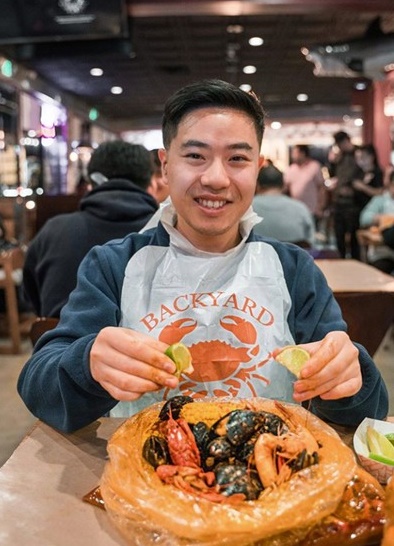
In the era of technology, social media has allowed people to connect with those who share the same interests and passions. Some share tweets or posts they know their followers will enjoy. Others review products or restaurants to let their followers in on the hottest trends. But there is a special group of people who have connected and created friendships and professional relationships to help each other design the appropriate content to fit their brand’s aesthetic. These people have created an extremely supportive community.
When Tim Cheung began his food blogging journey five years ago, he realized not a lot of people were talking about the local food scene. As he started sharing his experiences and visiting minority-owned spots, he gained more Instagram followers on his Bay Area Foodies account and received messages thanking him for the inspiration to become food bloggers themselves. Because of this, he was able to connect with people who were as passionate as him about food. Therefore, building a collaborative and strong food blogger community in the Bay Area.
For Cheung, it is important to create consistent yet fun content in order to make his work fun. If he starts seeing food blogging as a chore, he knows he is more than likely to stop enjoying it. He says “the best way to be consistent is to constantly find ways to make this hobby fun for yourself. I have met a lot of people that have eventually given up because they started seeing food blogging like a chore.” This is why he has surrounded himself with a community that motivates him to continue outdoing himself. It was by connecting with these other food bloggers that he realized food tastes better when it is being shared.
How did this foodie who is crazy for all the newest food hypes connect with people like him? Social media was the key. Once he established a connection with other food bloggers who were interested in helping get the word out on all the amazing mom and pop restaurants in the Bay Area, Tim organized collaborative food crawls once or twice a week. Before COVID-19 hit and lockdown was set in place, these food bloggers would visit several spots together in one day. Thus, allowing to motivate each other and help create captivating content for their respective accounts.
“Following a posting schedule is important in keeping your audience interested and definitely helps in growing your following,” says Cheung. Creating this special community helps hold one another accountable. It is easier and more enjoyable for food bloggers to drive everywhere together to try the most exciting and newest foods to later blog about them and keep their followers interested. This support group also serves as a great source of inspiration when it comes to editing photos or videos in a more appealing manner and thinking of catchy captions for every post.
Tim Cheung has always been passionate about food and was able to successfully turn that into a career by utilizing his digital marketing and social media marketing experience. Since the beginning, his goal has been to bring attention to minority-owned businesses that were not getting the recognition they deserved. As he embarked in this delicious venture, he connected with other professional food photographers who shared his interests. It was then Cheung was able to build a food blogger community in the Bay Area that inspired him to keep his journey fun and his content consistently captivating.
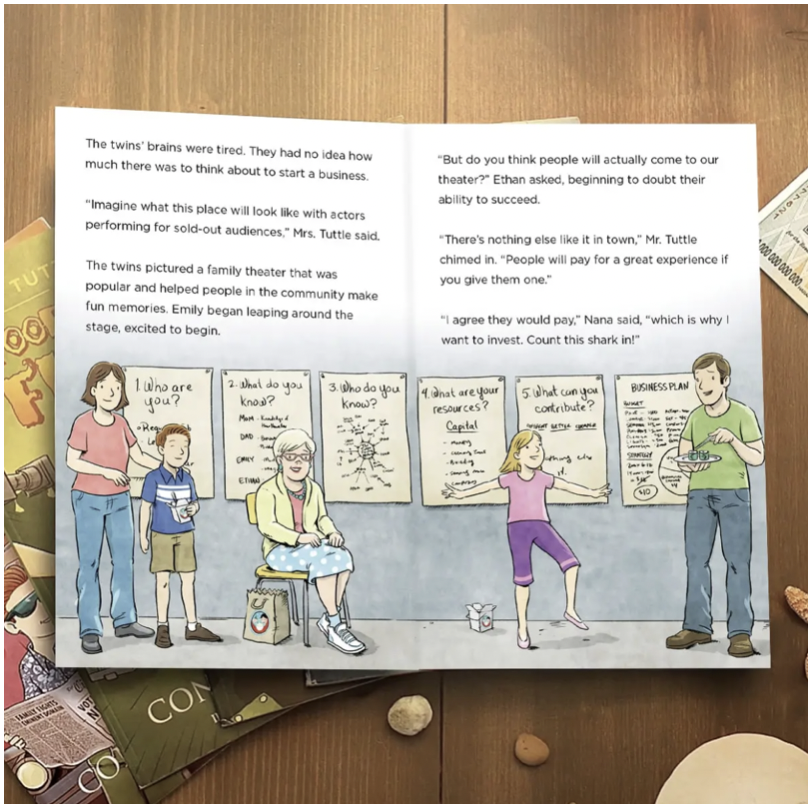
Michael Currier of Massachusetts is an unvaccinated gastroenterologist and entrepreneur, and he’s seen misinformation firsthand. He’s long been teaching his kids how to spot misinformation, but they were naturally skeptical when they didn’t hear it from anyone but him. However, the right books taught his kids how to combat misinformation, and they will teach your kids too! If you’re wondering how to raise independent thinkers who can spot misinformation, the Tuttle Twins books are essential tools for your toolbelt.
How Critical Thinking Combats Misinformation
When kids can think critically, they become able to evaluate the credibility of sources and look for evidence, also identifying their own and others’ biases. Critical thinkers don’t just passively absorb information; they take it apart piece by piece to see what makes it “tick.”
Critical thinkers question the credentials of an author or source, alongside their motivations and whether they provide supporting evidence that goes beyond just statements that require trust. Kids who can think critically also spot confirmation bias, which is the tendency to believe something that fits in well with the thinker’s current belief system or worldview. This reduces demand for fake news that simply elicits an emotional reaction.
When your kids can think critically and independently, they will also be able to spot logical fallacies, like drawing causal conclusions from data that’s simply correlational. Critical thinkers can also tell the difference between scientific evidence and someone’s opinion.
Independent, critical thinkers don’t just read a page. They look up information from other trusted sources to verify that the original source is accurate. Critical thinking also encourages a healthy skepticism that causes independent thinkers to pause and assess emotionally charged content before they spread it around, realizing that misinformation frequently exploits outrage or fear.
Critical thinkers can also recognize propaganda tactics such as loaded language, false dilemmas, and “alternative facts.”
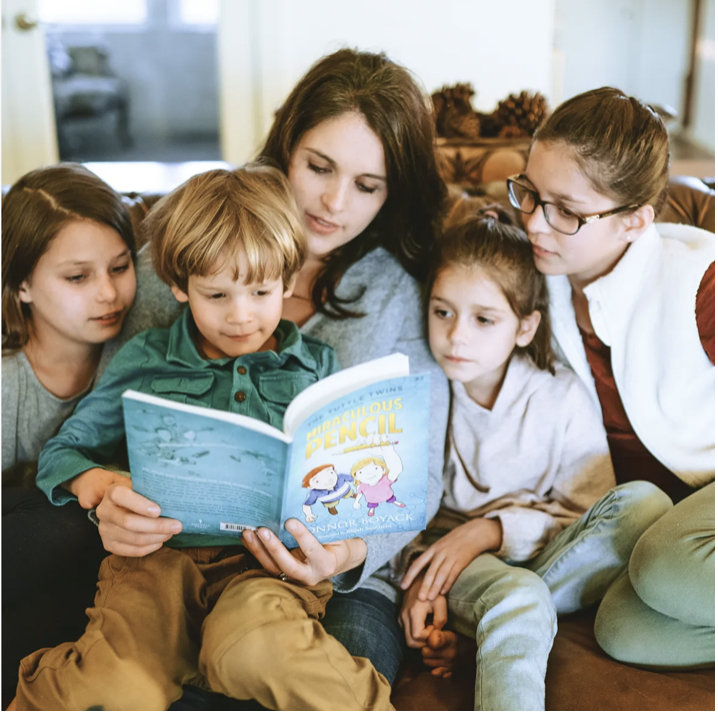
Photo: Tuttle Twins
Seeking Out Books that Teach Critical Thinking
At this point, parents wondering how to raise independent thinkers will want to look for books that teach critical thinking, like the Tuttle Twins series. The Tuttle Twins books explain things like misinformation, freedom of speech, and even the World Economic Forum while explaining that certain people get to decide what is and isn’t misinformation.
Books that teach critical thinking don’t just present facts. They encourage kids to analyze, evaluate, and put together arguments, frequently shining a light on logical fallacies and biases while calling for active application instead of a passive taking-in of information. Books that teach critical thinking will help you with how to raise independent thinkers by guiding you and your child through reasoned questioning and requiring evidence behind facts.
The Tuttle Twins series wraps every lesson in an engaging story that doesn’t just teach the information presented. The Tuttle Twins books also encourage all the above elements found in books that teach critical thinking. You can even enhance the critical-thinking skills embedded in all the Tuttle Twins books by pausing throughout the story and asking open-ended questions such as: What do you think the character should do next? What were some alternate solutions to the problem? What do you think could have been the consequences of those solutions?
Books that teach critical thinking like the Tuttle Twins series will go a long way toward helping you learn how to raise independent thinkers. They will also help you create special moments with your kids that they’ll remember forever! Join the growing number of parents who don’t want their kids to just be passive absorbers of information.
-

 Tech5 years ago
Effuel Reviews (2021) – Effuel ECO OBD2 Saves Fuel, and Reduce Gas Cost? Effuel Customer Reviews
-
 Tech7 years ago
Bosch Power Tools India Launches ‘Cordless Matlab Bosch’ Campaign to Demonstrate the Power of Cordless
-

 Lifestyle7 years ago
Catholic Cases App brings Church’s Moral Teachings to Androids and iPhones
-

 Lifestyle5 years ago
East Side Hype x Billionaire Boys Club. Hottest New Streetwear Releases in Utah.
-

 Tech7 years ago
Cloud Buyers & Investors to Profit in the Future
-

 Lifestyle6 years ago
The Midas of Cosmetic Dermatology: Dr. Simon Ourian
-

 Health7 years ago
CBDistillery Review: Is it a scam?
-

 Entertainment7 years ago
Avengers Endgame now Available on 123Movies for Download & Streaming for Free