
Lifestyle
Why Do You Need to WaterProof your Basement?


During the rainy season, your colleagues suggest you get waterproofing services in Sioux Falls. You start wondering why I need to waterproof my basement when drainage is working well. If that’s what you are thinking, it’s time to start knowing some reasons that convince homeowners to opt for this service.
Reduce Flood Damage
If you live in a city that is exposed to flood damages quite often, you should protect your home through waterproofing. Install vapor barriers on the floor or buy the best sump pump. Many homeowners use the basement for laundry.
You have an expensive automatic washing machine residing there. When space isn’t waterproof, wetness in the space will damage your washing machine sooner or later. So, the main reason for going with this option is to reduce flood damage and protect your belongings and assets.
Avoid Mold and Mildew
Nothing can devastate your home foundation quicker than mold and mildew. You know that when a space is wet, then it becomes a breeding ground for mold. This infestation damages your wall, floor, and ceiling. If you don’t waterproof your basement, then you need to face structural damage very soon.
Preventing Cracks
When water leaks from plumbing pipes or interior drainage, hydrostatic pressure increases on the walls. Therefore, you start noticing cracks of various shapes. These cracks are warning signs of structural damage. If they are left untreated, they transform into gaps and cause significant problems.
However, if you use sealants on the wall and waterproof exterior walls, you won’t have to face any crack issues. No structural damage means avoiding the cost of structural wall repair service in Sioux Falls.
Control Energy Cost
When your home basement is damp and warm, it will take more time and energy to cool down. Your energy bill increases when you have a damp home. In winter, cold air passes through cracks and makes the entire area cold. Therefore, you need to use a heater for a long time to make your living room cozy for every family member.
Boost Home Value
If you have a plan to sell your home, you should waterproof your basement. A well-protected home is always more valuable than one without it. Therefore, you can expect a reasonable price from the market.
How to Waterproof Your basement?
If you feel the humidity in your basement and notice some wall cracks, you should hire experts who provide you with the best-in-class foundation repair services in Sioux falls. They will seal the cracks through sealants. Once interior waterproofing is done, they will start looking into the underlying cause. They excavate outside soil and then waterproof your exterior walls. Installing a well-designed and advanced sump pump is always a good idea.
If the leading cause of basement wetness is your clogged gutters or drainage, technicians solve this matter and ask you to maintain a proper drainage and gutter system. It’s how you avoid basement dampness in the future.
When you don’t understand the main reason for wetness in your basement, always go with a structural repair company that offers a free inspection. Only an expert can check and tell you the main issue and address this issue effectively.
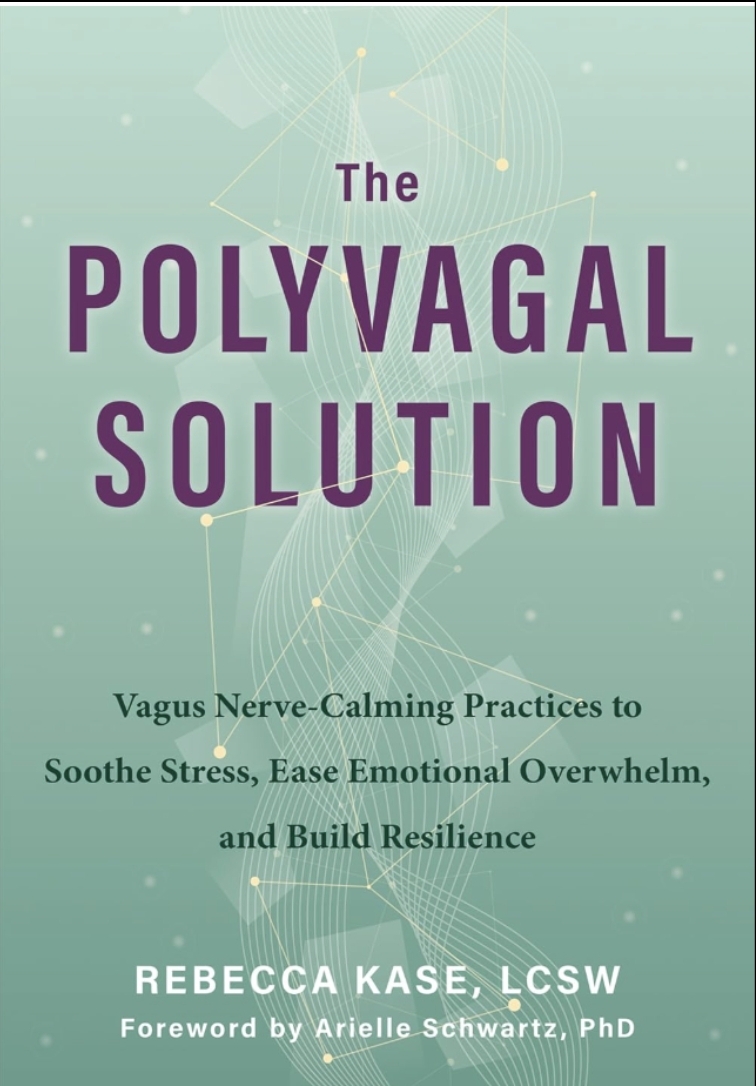
Self-help shelves are full of advice — some of it helpful, some of it recycled, and most of it focused on “mindset.” But Rebecca Kase, LCSW and founder of the Trauma Therapist Institute, is offering something different: a science-backed, body-first approach that explains why so many people feel struck, overwhelmed, or burned out — and what they can actually do about it.
A seasoned therapist and business leader, Kase has spent nearly two decades teaching others how to navigate life through the lens of the nervous system. Her newest book, “The Polyvagal Solution,” set to release in May 2025, aims to shake up the wellness space by shifting the focus away from willpower and onto biology. If success has felt out of reach — or if healing has always seemed like a vague concept — this book may be the missing link.
A new way to understand stress and healing
At the heart of Kase’s approach is polyvagal theory, a neuroscience-based framework that helps explain how our bodies respond to safety and threat. Developed by Dr. Stephen Porges, polyvagal theory has transformed the way many therapists understand trauma, but Kase is bringing this knowledge to a much wider audience.
“The body always tells the truth,” Kase says. “If you’re anxious, exhausted, or always in overdrive, your nervous system is asking for support, not more discipline.”
“The Polyvagal Solution” makes this complex theory digestible and actionable. Instead of promising quick fixes, Kase offers strategies for regulating the nervous system over time, including breathwork, movement, boundaries, and daily practices that better align with how the human body functions. It’s less about pushing through discomfort and more about learning to tune in to what the body needs.
From clinical expertise to business insight
What sets Kase apart isn’t just her deep understanding of trauma but how she blends that knowledge with real-world experience as a business owner and leader. As the founder of the Trauma Therapist Institute, she scaled her work into a thriving company, all while staying rooted in the values she teaches.
Kase has coached therapists, executives, and entrepreneurs who struggle with burnout, anxiety, or feeling disconnected from their work. Regardless of who she works with, though, her message remains consistent: the problem isn’t always mindset — it’s often regulation.
“Success that drains you isn’t success. It’s survival mode in disguise,” Kase explains. Her coaching programs go beyond traditional leadership training by teaching high achievers how to calm their nervous systems, enabling them to lead from a grounded place, not just grit.
Making the science personal
For all her clinical knowledge, Kase keeps things human. Her work doesn’t sound like a lecture but rather like a conversation with someone who gets it. That’s because she’s been through it herself: the long hours as a therapist, the emotional toll of supporting others, the realities of building a business while managing her own well-being.
That lived experience informs everything she does. Whether she’s speaking on stage, running a retreat, or sharing an anecdote on her podcast, Kase has a way of weaving humor and honesty into even the heaviest topics. Her ability to balance evidence-based practice with practical advice is part of what makes her voice so compelling.
Kase’s previous book, “Polyvagal-Informed EMDR,” earned respect from clinicians across the country. But “The Polyvagal Solution” reaches beyond the therapy community to anyone ready to understand how their body is shaping their behavior and how to create real, sustainable change.
Why this message matters
We’re in a moment where burnout is common and overwhelm feels normal. People are looking for answers, but many of the tools out there don’t address the deeper cause of those feelings.
That’s where Kase’s work lands differently. Instead of telling people to “think positive” or “try harder,” she teaches them how to regulate their own biology. And in doing so, she opens the door for deeper connection, better decision-making, and more energy for the things that matter.
As more workplaces begin to embrace trauma-informed leadership, more individuals are seeking solutions that go beyond talk therapy and motivational content. Kase meets that need with clarity, compassion, and a toolkit rooted in both science and humanity.
A grounded approach to lasting change
What makes “The Polyvagal Solution” stand out is its realism. It doesn’t ask readers to overhaul their lives but instead asks them to listen — to pay attention to how their bodies feel, how their stress patterns manifest, and how even small shifts in awareness can lead to significant results over time. Whether you’re a therapist, a team leader, or someone trying to feel more at ease in your own skin, this book offers a way forward that feels both grounded and achievable.
Rebecca Kase isn’t just adding another title to the self-help genre. She’s redefining it by reminding us that we don’t have to muscle our way through life. We just have to learn how to work with, not against, ourselves.
And maybe that’s the real game-changer we’ve been waiting for.
-

 Tech4 years ago
Effuel Reviews (2021) – Effuel ECO OBD2 Saves Fuel, and Reduce Gas Cost? Effuel Customer Reviews
-
 Tech6 years ago
Bosch Power Tools India Launches ‘Cordless Matlab Bosch’ Campaign to Demonstrate the Power of Cordless
-

 Lifestyle6 years ago
Catholic Cases App brings Church’s Moral Teachings to Androids and iPhones
-

 Lifestyle4 years ago
East Side Hype x Billionaire Boys Club. Hottest New Streetwear Releases in Utah.
-

 Tech7 years ago
Cloud Buyers & Investors to Profit in the Future
-

 Lifestyle5 years ago
The Midas of Cosmetic Dermatology: Dr. Simon Ourian
-

 Health6 years ago
CBDistillery Review: Is it a scam?
-

 Entertainment6 years ago
Avengers Endgame now Available on 123Movies for Download & Streaming for Free