
Tech
Eric Leire: How Biotechnology Can Contribute To Longevity Research

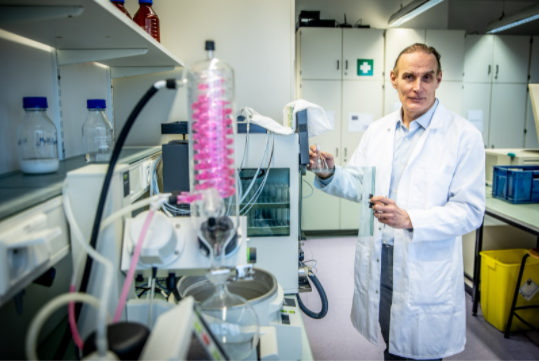
Dr. Eric Leire, MD, MBA, is the CEO and Founder of GenFlow Biosciences. He has an impressive background in the biotechnology and gene therapy sector. Furthermore, Eric has a plethora of remarkable experience in the pharmaceutical industry, having held Pfizer, Schering Plough, and Pharmacia posts. His success has also translated into academic research, where he has held a research position at Harvard University.
In addition, his career has soared throughout the biotechnology industry, being the CEO of several private and public biotech companies. He is also the inventor of several patents and serves on the board of several biotechnology companies, such as Pherecydes (ALPHE.PA), Immunethep (developing a Covid vaccine), Inhatarget, and BSIM.
With the Biotech sector forecast to grow close to $2.5 trillion by 2028 – the financial benefits are straightforward and the moral importance to serve societal needs. In addition, research into longevity and healthy aging have progressed rapidly in recent years. We chatted with Eric, who explains how developments in the biotechnology sector can aid the longevity research process.
“Many US biotech companies shifted their research focus to improving longevity. However, only a few European biotech companies are working on a science-based development of therapeutic interventions that could delay the aging process.”
He continues, “Our company is interested in identifying the genetic and molecular pathways underpinning the aging process.” Specifically, Genflow Biosciences’ work is based on the fact that DNA repair plays a crucial role in determining an organism’s lifespan. As humans and other mammals grow older, our DNA is more and more prone to breaks. GenFlow intends to provide extra copies of a gene involved in DNA repair called SIRT6 and, more specifically, a variant of the SIRT6 found in centenarians. The additional copies of centenarian SIRT6 will improve the ability to repair DNA damage.
The feasibility of gene transfer to patients was demonstrated around 30 years ago and these methods have improved substantially. As a result, many commercial gene therapy candidates are now focussing on gene therapy for multiple diseases.
Scientists now can inject more efficient AAVs that can express a transgene such as SIRT6 into specific cells. Like other viruses, the tropism of an AAV for particular cells is controlled by the particular interaction between the proteins of its capsid (the protein shell enclosing the AAV genetic material) and the receptors of the targeted cells. In the last decade, there has been a tremendous advance in the ability to design novel, highly efficient AAVs that can target specific cells or organs.
Having a toolbox of enhanced AAVs is an important step; however, to develop an effective SIRT6 gene delivery, we also needed an understanding of the potential immunity to AAVs. A pre-existing barrier to AAV gene delivery stems from our natural exposure to AAV, resulting in a possible pre-existing humoral and cellular immunity to AAVs. Even a highly efficient and specific AAV delivering an ideal transgene (such as SIRT6) means nothing if an immune response prevents the AAV from reaching the appropriate cells. Therefore, it is critical when translating AAV gene delivery for clinical applications first to determine whether the patient has pre-existing immunity to AAV and then mitigate the development of potentially damaging immune responses when the gene is delivered intravenously. Fortunately, several studies have assessed the immune response to AAV-mediated gene therapy in both pre-clinical models and human patients. Overcoming pre-existing immunity is not trivial, but we now have strategies to enable AAV treatment without triggering immunity.
Eric believes that GenFlow’s contribution to advancing the understanding of anti-AAV immunity in our pre-clinical program. During clinical trials will help not only the development of our product but will also participate in the development of other safe and highly efficacious AAV therapies for other diseases such as neurodegenerative diseases, cardiovascular diseases, and cancer.

Byline: Katreen David
In the digital age, the adage “an ounce of prevention is worth a pound of cure” has never been more relevant.
For Juan Ricardo Palacio and Andrea Baggio of HelpRansomware, the battle against digital threats is a daily reality. Founded in response to the growing menace of ransomware, HelpRansomware has made it its mission to recover data while educating the public on the importance of cyber hygiene.
“Preventing a cyberattack before it happens is crucial. We can safeguard digital assets more effectively by nipping the threat in the bud through vigilant monitoring and proactive measures,” says Baggio.
The Growing Threat of Cybercrime
Cyber threats have become increasingly pervasive and sophisticated, impacting businesses and individuals alike. According to research, there are an estimated 2,000 cyberattacks per day globally. This equates to over 800,000 cyber crimes annually. In line with this, the worldwide cost of cybercrime is projected to reach the $23 trillion mark by 2027.
This alarming figure highlights the critical need for robust cybersecurity practices. HelpRansomware has responded to this challenge by accentuating the importance of preventive measures. “Our goal is to create a safer digital environment where cyber hygiene is as natural as brushing your teeth,” says Palacio.
Cyber Clean: Maintaining Digital Hygiene
HelpRansomware advocates for a proactive outlook on cybersecurity. It offers practical tips for maintaining good cyber hygiene, such as regularly updating software, using strong and unique passwords, developing risk management plans, and educating employees about phishing scams.
“Cyber hygiene is about taking small, consistent actions to protect your digital assets,” explains Palacio. “When we practice good cyber hygiene, the chances of cyber attacks occurring shrink significantly.”
Businesses can significantly reduce cyberattack vulnerability by integrating these practices into daily routines.
HelpRansomware’s Role in Promoting Cyber Hygiene
Beyond recovery services, HelpRansomware is dedicated to raising awareness and providing education on cybersecurity best practices. It conducts workshops and seminars to help organizations understand the importance of cyber hygiene. This unique initiative mirrors the company’s sincere efforts toward shielding the world from the dark side of the web.
“Education is the first line of defense against cyber threats,” emphasizes Baggio. “Francis Bacon’s famous quote will always ring true in every industry: ‘Knowledge is power’.”
HelpRansomware’s efforts are power moves across the board that help businesses recover from attacks. Its checkmate move, however, is its vision to build a culture of prevention that can safeguard against future threats.
In an era where cyber threats lurk around every unlikely corner of the internet, the importance of cyber hygiene cannot be overstated. Through its innovative solutions and educational initiatives, HelpRansomware is leading the pack in promoting better cybersecurity practices. “We believe that a well-informed and vigilant community can defeat cybercrime,” concludes Baggio.
HelpRansomware’s proactive stance on cyber hygiene is setting new standards in the industry. Through education and preventive practices, Andrea Baggio and Juan Ricardo Palacio are fortifying the digital community, making sure that future cyber threats are met with informed and resilient defenses. Cleanliness matters in both the tangible and digital world.
-

 Tech4 years ago
Effuel Reviews (2021) – Effuel ECO OBD2 Saves Fuel, and Reduce Gas Cost? Effuel Customer Reviews
-
 Tech6 years ago
Bosch Power Tools India Launches ‘Cordless Matlab Bosch’ Campaign to Demonstrate the Power of Cordless
-

 Lifestyle6 years ago
Catholic Cases App brings Church’s Moral Teachings to Androids and iPhones
-

 Lifestyle4 years ago
East Side Hype x Billionaire Boys Club. Hottest New Streetwear Releases in Utah.
-

 Tech7 years ago
Cloud Buyers & Investors to Profit in the Future
-

 Lifestyle5 years ago
The Midas of Cosmetic Dermatology: Dr. Simon Ourian
-

 Health6 years ago
CBDistillery Review: Is it a scam?
-

 Entertainment6 years ago
Avengers Endgame now Available on 123Movies for Download & Streaming for Free