
Business
Fake Memphis Associates Checks Arrive Just In Time for Election


Memphis Associates personal finance and debt consolidation offers are bait and switch. Memphis Associates has begun flooding the market with debt consolidation and credit card relief offers in the mail with the website mymemphisassociates.com. The problem is that the terms and conditions are at the very least confusing, and possibly even suspect.
The interest rates are so low that you would have to have near-perfect credit to be approved for one of their offers. Best 2020 Reviews, the personal finance review site, has been following Memphis Associates, Tate Advisors, Plymouth Associates, Credit 9, Americor Funding, Safe Path Advisors, Silvertail Associates, etc.).
Best 2020 Reviews closely monitors personal loan offers, debt reduction, and credit card consolidation offers sent through direct mail to consumers.
For the 2020 US Election, finances in America will be a chief topic of discussion. Today, America and the rest of the world is in debt and sinking lower and lower due to the pandemic. More and more money is required for relief packages and people on welfare are bearing the brunt of it. However, will your vote impact your finances in the future? The short answer would be, yes. The person who wins will obviously impact how successful America is in getting back on its feet.
How Will the Result of the Election Impact Your Finances?
This US Election finances have been the topic of a lot of policy decisions for both candidates. If Donald Trump is re-elected, then there’s not likely to be any changes to the tax code. In 2017, the new tax cuts were introduced and they will probably stay. If Joe Biden wins then the Trump Tax Cuts of 2017 may be rolled back slightly or removed altogether. According to the Biden campaign website, anyone making less than $400,000 a year will not face any changes.
Also, Joe Biden has said that he would return the country’s top individual tax bracket back to 39.6%. On the corporate tax side, Biden would raise corporate tax from 21% to 28%. The rate was previously 35% before 2017.
This US Election finances are going to be a huge issue since most people are just scraping to get by and many are in need of some sort of credit card relief. Putting food on the table will actually be a huge issue this time around; more than it’s been for years. Not since the 2008 financial crash have things been this dire in recent memory.
However, consider this; the country is on an unsustainable fiscal path no matter who wins. The fact is that there are far more impactful things than the tax code on your future. So listen closely to these facts.
The government takes in money every year in the form of taxes. If the amount taken in is less than which the government spends, then there will be a deficit. For 2020, the Congressional Budget Office has projected a federal budget deficit of $3.3 trillion. Hence, it means that the US government has spent $6.6 trillion while the budget was only half that. That’s triple the deficit that was recorded in 2019. That’s why this US Election finances have been such a hot topic.
Spending This Holiday Season
There are several things you should keep in mind while spending this holiday season. The COVID-19 pandemic has affected more than just businesses. Millions of people are on welfare and have lost their jobs. The average American carries thousands of dollars’ worth of debt already, hence spending this holiday season is most likely not an option.
Even if you have a considerable amount of money saved up, you should save it. There is no knowing how long the pandemic will last and how the stocks will go down. This US Election finances should be the only thing on your mind and holiday shopping should be postponed. If you don’t spend this holiday season, you’ll at least have a lot of money left over for food, medical bills, and education. If you do, then you’ll probably waste money on something that has very little utility besides the first month.
That doesn’t mean you should spend $0 of course. It just means you shouldn’t splurge. Morning Consult did a survey that showed that this US Election finances are extremely tight for Americans. 39% of those surveyed said that they planned to cut back on gift spending. This was due to the financial squeeze, of course, but also because in person gatherings have been shut down.
Even if somehow you do manage to see your relatives or friends during this time, there won’t be very many. You will likely be spending the holidays with your immediate family members or roommates. If you want to get them a gift or two, go ahead. However, think of a cheaper way to tell them you love them rather than getting that expensive watch or necklace.
Since this US Election finances will be extremely meager for most Americans, it’s important to remember this fact. Gifts that have experiences attached to them are often the most effective. Gifts that are related to your experiences with loved ones create the longest lasting happiness. During COVID-19, those experiences have been few and far between. Hence, getting your loved ones something sappy and sentimental may actually be the best thing for them.
You don’t even have to spend any money for this. You could design a small presentation on your computer or make a video that reminds them of the good times. Or you could spend a little money on a beautiful frame for a sentimental photograph.
Since this US Election finances are tight for everyone, you could just consider helping out as a gift. This doesn’t mean just help out grocery shopping, of course. However, you could help out your neighbors with a handyman job like fixing a pipe. Other odd jobs can including beefing up their computer or installing software or setting up a router. You could even help them put up a shelf or hang their television. Things like these will really speak to your loved ones and show them that you care.
At a time when money is scarce and people are really struggling, you don’t need to shower them with gifts. Just giving them support and showing them you care with small gestures can go a long way. This US Election finances will be one of the most pressing topics for any family. If you can make someone in your own or another family happy for a little while, that’ll be the best gift for them. It won’t cost much, but it’ll mean the world to them.
So remember to save, and spend only on what matters. This US Election finances will be ruling our every thought. That’s why we have to prepare for the worst.
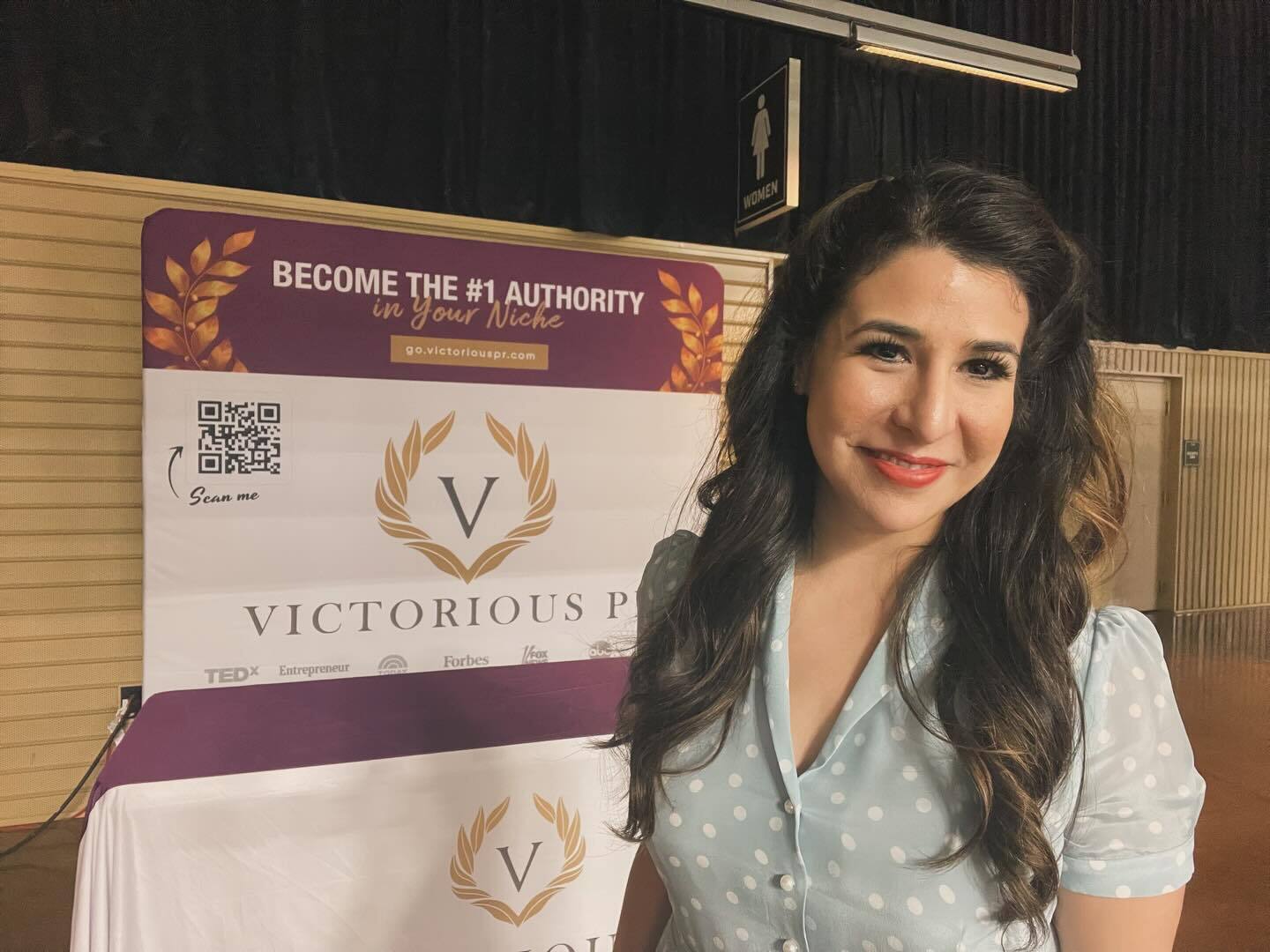
Key Takeaways
- Victorious PR helps AI companies turn complex, technical products into clear, compelling narratives that earn coverage in top-tier outlets like Forbes, VentureBeat, and TechCrunch.
- Through campaigns for companies like Olas and Cluely, Victorious PR has consistently transformed emerging AI startups into recognized voices with strong media presence and industry credibility.
- Victorious PR operates on a weekly placement model that builds compounding visibility rather than relying on isolated press releases that fade quickly.
An AI founder builds technology that could transform how entire industries operate. The product works. The team is strong. However, when investors search for the company name, they find nothing. When enterprise buyers evaluate vendors, the startup gets filtered out because nobody on the committee recognizes it. The engineers the founder wants to recruit are joining competitors with inferior products and louder profiles.
This visibility gap kills promising AI companies every year. According to Statista, the global AI market is projected to reach $347 billion in 2026, with 37 percent annual growth expected through 2031. Thousands of startups are competing for the same investors, talent, and customers. Strong technology is no longer enough to stand out.
Victorious PR has built its reputation by closing that gap for founders who refuse to let great products die in obscurity. The agency blends deep understanding of emerging technologies with established relationships across the publications that influence how innovation is covered.
An Agency Built During Uncertainty
Victoria Kennedy founded Victorious PR in 2020, launching at the height of the pandemic when most businesses were scaling back. The agency reached seven-figure revenue within its first year. Victoria’s background differs from most PR founders. She is a Wall Street Journal bestselling author, TEDx speaker, and member of both the Rolling Stone Culture Council and the Fast Company Executive Board.
Before starting the agency, Victoria built a career as a classical opera singer, touring Europe and performing alongside artists like Andrea Bocelli. That experience in performance and personal branding shaped how she approaches client work today.
The agency operates on a press-every-week model. Clients do not wait months between placements, hoping something lands. They move through a steady stream of podcast appearances, thought-leadership articles, and features in respected publications. This consistency compounds over time, building brand recognition that shapes investor decisions and strengthens customer trust.
Victoria describes her philosophy directly. “I built this company with one goal in mind,” she says. “To lead with integrity and help impactful leaders and businesses be seen and heard to have a greater influence on the world.”
Campaigns That Produced Measurable Results
David Minarsch, CEO of Olas, faced a difficult challenge. Olas builds user-owned AI agents on blockchain infrastructure, positioning itself against centralized players like OpenAI. Despite raising $13.8 million, the company struggled to gain visibility outside technical circles. The technology worked, but the broader audience that needed to hear about it was not paying attention.
Victorious PR positioned David as a thought leader through ghostwritten op-eds and expert commentary that connected Olas to larger shifts in AI development. Coverage landed in VentureBeat, CoinDesk, Mashable, Forbes, Fast Company, and USA Today. The campaign generated placements in more than 100 publications, helping Olas reach the mainstream tech audience it needed.
Roy Lee, co-founder and CEO of Cluely, faced a different version of the same problem. Cluely had built an AI meeting assistant that worked well, but Lee needed visibility to attract serious investor attention. Victorious PR launched a campaign that secured coverage in TechCrunch, Business Insider, Bloomberg, Fast Company, Benzinga, Hackernoon, and MSN.
The press exposure put Cluely on the radar of major investors, resulting in a $20 million raise that included $15 million from Marc Andreessen at a16z. The coverage accomplished what cold outreach could not. It brought the right people to Lee’s door.
Why AI Companies Need Strategic PR Now
AI technology is often complex and misunderstood. Investors hesitate to fund projects they cannot explain to their partners. Enterprise buyers need confidence that a vendor will still be in business in two years. Generic PR approaches fail because they do not address these specific challenges.
Effective AI PR requires translating technical innovation into narratives that resonate beyond technical audiences. This means connecting product capabilities to business outcomes that journalists, investors, and customers actually care about. It means identifying angles that make a company newsworthy within the context of trends editors are already tracking.
The Victorious PR team focuses on finding the most compelling aspects of each client’s story and framing them within larger industry conversations. For AI companies, this often means linking technical work to discussions around autonomous agents, enterprise automation, and the intersection of AI with other emerging technologies. The approach has enabled the agency to build relationships with editors at publications including Forbes, Bloomberg, and Wired.
Their client roster includes partnerships with NVIDIA, Solana, and Olas. Placements span Forbes, VentureBeat, Fast Company, CoinDesk, and more than a hundred other outlets that influence how tech decision-makers think about innovation.
The companies that win in AI will not always be those with the best technology. They will be those who can explain why their technology matters and build brand recognition that influences decisions before the first pitch meeting.
About Victorious PR
Victorious PR is an award-winning full-service PR agency that helps businesses get featured in industry-specific media, local press, podcasts, and top publications to be seen as industry leaders in their fields. They have won numerous awards, such as the Global 100 Award for Best Public Relations & Communications Business of 2026, and are members of both the Rolling Stone Culture Council and the Fast Company Executive Board. To book a call to become the #1 Authority in your niche, click here: victoriouspr.com.
-

 Tech5 years ago
Effuel Reviews (2021) – Effuel ECO OBD2 Saves Fuel, and Reduce Gas Cost? Effuel Customer Reviews
-
 Tech7 years ago
Bosch Power Tools India Launches ‘Cordless Matlab Bosch’ Campaign to Demonstrate the Power of Cordless
-

 Lifestyle7 years ago
Catholic Cases App brings Church’s Moral Teachings to Androids and iPhones
-

 Lifestyle5 years ago
East Side Hype x Billionaire Boys Club. Hottest New Streetwear Releases in Utah.
-

 Tech7 years ago
Cloud Buyers & Investors to Profit in the Future
-

 Lifestyle6 years ago
The Midas of Cosmetic Dermatology: Dr. Simon Ourian
-

 Health7 years ago
CBDistillery Review: Is it a scam?
-

 Entertainment7 years ago
Avengers Endgame now Available on 123Movies for Download & Streaming for Free