
Tech
Health Information Technology is the digitalized face of Healthcare Industry

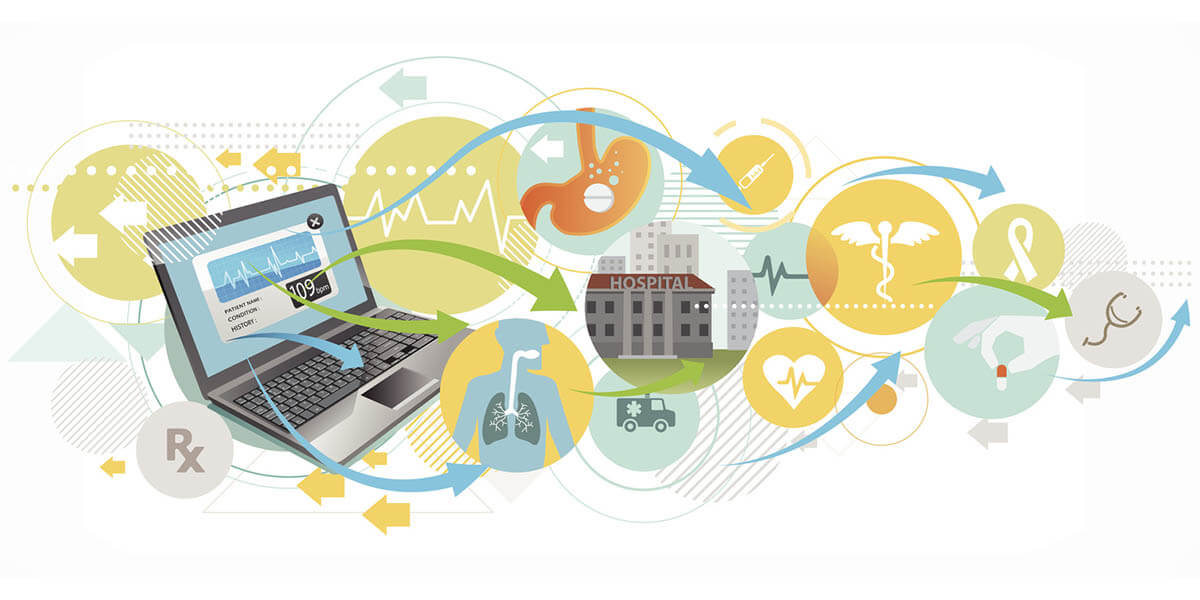
Health Information Technology is a relatively new field in the healthcare. It is not entirely exclusive of the healthcare field. But they both exist in a beneficial symbiosis. Health IT is basically the area involving design, development, creation and use of Information systems for Healthcare Industry.
These systems may be interoperable or automated but they improve the medical care and public health. And they also help to lower costs and increase efficiency in the system by reducing errors. The IT sector does a remarkable job in the interplaying of Modern Health technology and Government policies regarding it. And companies like Global Data Systems are the faces behind managing the healthcare IT efficiently.
There are many forms of Health Information technologies. One of them is an EMR- Electronic medical record. It is a digital health record of a person which can be shared between multiple healthcare providers and agencies.
Like the EMR there is PHR and HIE, which are also digital records. PHR, is a personal health record of a patient an HIE is an exchange of records between various organisations. In HIE they can share various data through the systems.
PACS and VNAs are other picture archiving and communication systems. These interfaces help the healthcare professionals to store and manage patient’s medical images. And it is mostly the radiology department that uses this interface.
Patient Portals are also an efficient way of patients to handle their communication with the healthcare industry. Earlier Patients Portal was a clunky site. But the upgraded version helps patients communicate with their physician, pay the bills and check the reports too. And portals also have telemedicine systems that facilitate video conversations between patients and providers.
Government funds tons of money for the EHR system. Since the inception of Health Information Technology for Economic and Clinical health(HITECH) Act in 2009, government funds hospitals for this program. The MACRA passed back in 2015( Medicare Access) and CHIP (Children’s health insurance program), all of this laws ensure government invests in the Health IT sector.
Even though the government funds the healthcare organisations it still faces challenges. There are some vendors who refuse to share the data, and some who stymie it. That is a concern for the federal officialS. But other than that there are many benefits of Health IT.

Byline: Katreen David
In the digital age, the adage “an ounce of prevention is worth a pound of cure” has never been more relevant.
For Juan Ricardo Palacio and Andrea Baggio of HelpRansomware, the battle against digital threats is a daily reality. Founded in response to the growing menace of ransomware, HelpRansomware has made it its mission to recover data while educating the public on the importance of cyber hygiene.
“Preventing a cyberattack before it happens is crucial. We can safeguard digital assets more effectively by nipping the threat in the bud through vigilant monitoring and proactive measures,” says Baggio.
The Growing Threat of Cybercrime
Cyber threats have become increasingly pervasive and sophisticated, impacting businesses and individuals alike. According to research, there are an estimated 2,000 cyberattacks per day globally. This equates to over 800,000 cyber crimes annually. In line with this, the worldwide cost of cybercrime is projected to reach the $23 trillion mark by 2027.
This alarming figure highlights the critical need for robust cybersecurity practices. HelpRansomware has responded to this challenge by accentuating the importance of preventive measures. “Our goal is to create a safer digital environment where cyber hygiene is as natural as brushing your teeth,” says Palacio.
Cyber Clean: Maintaining Digital Hygiene
HelpRansomware advocates for a proactive outlook on cybersecurity. It offers practical tips for maintaining good cyber hygiene, such as regularly updating software, using strong and unique passwords, developing risk management plans, and educating employees about phishing scams.
“Cyber hygiene is about taking small, consistent actions to protect your digital assets,” explains Palacio. “When we practice good cyber hygiene, the chances of cyber attacks occurring shrink significantly.”
Businesses can significantly reduce cyberattack vulnerability by integrating these practices into daily routines.
HelpRansomware’s Role in Promoting Cyber Hygiene
Beyond recovery services, HelpRansomware is dedicated to raising awareness and providing education on cybersecurity best practices. It conducts workshops and seminars to help organizations understand the importance of cyber hygiene. This unique initiative mirrors the company’s sincere efforts toward shielding the world from the dark side of the web.
“Education is the first line of defense against cyber threats,” emphasizes Baggio. “Francis Bacon’s famous quote will always ring true in every industry: ‘Knowledge is power’.”
HelpRansomware’s efforts are power moves across the board that help businesses recover from attacks. Its checkmate move, however, is its vision to build a culture of prevention that can safeguard against future threats.
In an era where cyber threats lurk around every unlikely corner of the internet, the importance of cyber hygiene cannot be overstated. Through its innovative solutions and educational initiatives, HelpRansomware is leading the pack in promoting better cybersecurity practices. “We believe that a well-informed and vigilant community can defeat cybercrime,” concludes Baggio.
HelpRansomware’s proactive stance on cyber hygiene is setting new standards in the industry. Through education and preventive practices, Andrea Baggio and Juan Ricardo Palacio are fortifying the digital community, making sure that future cyber threats are met with informed and resilient defenses. Cleanliness matters in both the tangible and digital world.
-

 Tech4 years ago
Effuel Reviews (2021) – Effuel ECO OBD2 Saves Fuel, and Reduce Gas Cost? Effuel Customer Reviews
-
 Tech6 years ago
Bosch Power Tools India Launches ‘Cordless Matlab Bosch’ Campaign to Demonstrate the Power of Cordless
-

 Lifestyle6 years ago
Catholic Cases App brings Church’s Moral Teachings to Androids and iPhones
-

 Lifestyle4 years ago
East Side Hype x Billionaire Boys Club. Hottest New Streetwear Releases in Utah.
-

 Tech7 years ago
Cloud Buyers & Investors to Profit in the Future
-

 Lifestyle5 years ago
The Midas of Cosmetic Dermatology: Dr. Simon Ourian
-

 Health6 years ago
CBDistillery Review: Is it a scam?
-

 Entertainment6 years ago
Avengers Endgame now Available on 123Movies for Download & Streaming for Free